Ultimate Guide to Ball Bearing Tips for Optimal Performance?
Ball Bearings play a crucial role in various mechanical systems. They reduce friction and enhance overall efficiency. Understanding their optimal performance can significantly improve machinery longevity and reliability.
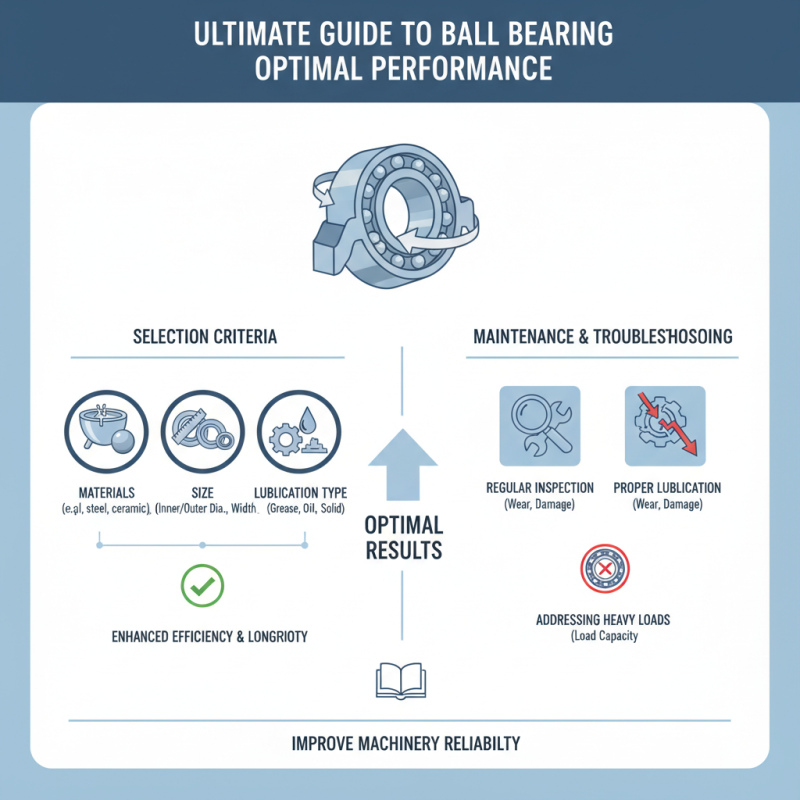
When selecting ball bearings, several factors come into play. These include materials, size, and lubrication type. Each choice affects performance and durability. Many overlook these details, leading to premature failures and costly repairs. Choosing the right ball bearing requires careful consideration and sometimes trial and error.
However, even the best ball bearings can have flaws. They may not perform as expected under heavy loads. Regular inspection and maintenance become necessary to prevent failures. This guide aims to provide valuable insights into selecting and maintaining ball bearings for optimal results.
Understanding the Basics of Ball Bearings and Their Applications
Ball bearings are critical components in numerous applications. They reduce friction between moving parts, enhancing efficiency. The global ball bearing market was valued at approximately $25.5 billion in 2022, and it is expected to grow steadily. This growth reflects the rising demand for precision in mechanical systems across industries.
Understanding the basics of ball bearings is essential for optimal performance. They come in various designs, including deep groove, angular contact, and thrust bearings. Each design serves specific applications. For instance, deep groove ball bearings are common in electric motors due to their versatility. However, improper selection can lead to premature failure. Overheating and noise are signs of misuse.
Ball bearings require maintenance to ensure longevity. Regular inspection is crucial. Industry reports indicate that proper lubrication can extend the lifespan by 30%. Yet, many users overlook maintenance schedules. A lack of attention can lead to costly downtimes. Using the right materials for bearing cages can mitigate wear and tear, but it’s often a decision based on budget rather than performance.
Key Factors Influencing Ball Bearing Performance
When it comes to ball bearing performance, several key factors come into play. The material used in the manufacturing of bearings greatly affects durability and efficiency. Steel ball bearings are common, but ceramic materials can offer lighter weight and reduced friction. These variations can help in different applications. However, not everyone chooses the right material for their needs, resulting in potential underperformance.
Lubrication is another critical aspect. The type and amount of lubricant can make or break the functionality of ball bearings. Using too much lubricant can lead to excess heat and inefficiency. On the other hand, using too little can cause excessive wear. Finding the right balance here is vital, yet many overlook it in practice.
Load capacity also influences performance. Each bearing has a defined load limit. Exceeding this can result in premature failure. Understanding the operational environment helps in choosing the right specifications. Sometimes, users misjudge these factors, leading to unexpected issues. Paying attention to these details can significantly improve reliability and efficiency over time.
Maintenance Techniques for Prolonging Ball Bearing Life
Proper maintenance of ball bearings is crucial for extending their lifespan. Regular cleaning is essential. Use a soft cloth to wipe off dirt and grime. Ensure you have the right tools. A small brush can help reach tight spots. Remember to inspect seals for wear. A damaged seal can lead to grease loss.
Grease application must be done carefully. Over-greasing can cause overheating. Under-greasing leads to friction. Finding the right balance is key. Work in a clean environment. Contaminants can quickly degrade performance. Check the manufacturer's recommendations for grease type and intervals.
Temperature plays a significant role too. Excessive heat can damage bearings. Monitor operating conditions regularly. If temperatures rise unexpectedly, investigate the cause. This could be a sign of underlying issues. Always document maintenance activities. These notes can highlight patterns over time. Recognizing when problems occur might save time and money in the long run.
Selecting the Right Ball Bearing for Specific Use Cases
Choosing the right ball bearing is crucial for various applications. Factors like load capacity and environmental conditions must guide your decision. For instance, high-speed operations may require sealed bearings. These prevent contaminants from entering and extend the bearing’s life. Consider lubrication types as well, as they can significantly impact performance.
Different materials suit specific needs. Stainless steel, for instance, is durable and corrosion-resistant. However, it might not excel in extreme temperature environments. Ceramic bearings offer lightweight options, but they can be more brittle. Reflecting on material choices can prevent costly mistakes in the long run.
Think about the size and fit of the bearing as well. A perfect fit can maximize efficiency. A slight mismatch may lead to vibrations and decreased lifespan. Not every application is the same, so take your time to evaluate options. Understanding these nuances can lead to better performance and satisfaction.
Common Misconceptions About Ball Bearings and Their Performance
Many people believe that all ball bearings are created equal in terms of performance. This is not true. The design and material of the bearing significantly impact its efficiency. For instance, some users think that simply replacing bearings will boost performance. However, if the application is not compatible, the new bearings might underperform. It's essential to choose the right type for your specific needs.
Tips for optimal ball bearing performance: regularly clean and lubricate your bearings. Dirt and grime can lead to increased friction and wear. Opt for high-quality lubrication. This will help maintain smooth operation over time. Additionally, avoid overloading the bearings beyond their recommended limits. Excessive pressure can cause premature failure.
Another common misconception is that all bearing grease is the same. Not all greases have the same properties. Using the wrong type can lead to significant issues. Some greases may break down under heat or pressure, causing your bearings to fail. Pay attention to the specifications. It is critical to understand what your operating conditions are.