Why Choose Flexible Intramedullary Nails for Bone Surgery?
In recent years, Flexible Intramedullary Nails have gained traction in the orthopedic community. Dr. Jane Smith, a leading expert in bone surgery, has stated, “Flexible Intramedullary Nails revolutionize how we treat fractures.” The innovation in this field addresses several challenges faced by surgeons.
The design of these nails allows for enhanced adaptability during surgery. They conform to the natural curvature of the bone, reducing the risk of complications. However, not all cases benefit equally from this technology. Some surgeons still prefer traditional methods for specific fracture types. This highlights the need for ongoing research and dialogue within the medical community.
Despite their advantages, Flexible Intramedullary Nails are not universally accepted. There are concerns about their long-term effectiveness. Some practitioners question if they can provide the same stability as solid nails. As the industry evolves, it is crucial to assess both the benefits and limitations of this approach. Only through critical evaluation can optimal surgical outcomes be achieved.
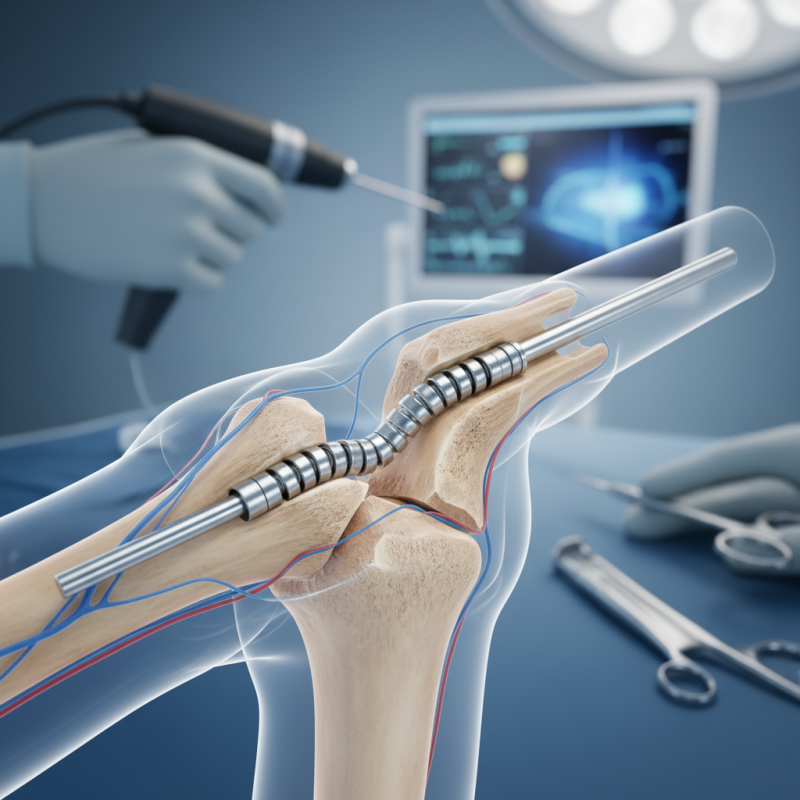
Advantages of Flexible Intramedullary Nails in Bone Surgery
Flexible intramedullary nails have gained popularity in bone surgery for several compelling reasons. They are particularly useful for treating fractures in long bones. Their design allows for better adaptability to the natural curvature of the bone. This flexibility minimizes the risk of additional bone trauma during the insertion process. Surgeons appreciate how they can conform to varying bone shapes, enhancing overall stability.
Another significant advantage is the less invasive nature of the procedure. With flexible nails, the surgical approach can often be less extensive than with rigid options. This results in reduced soft tissue damage and shorter recovery times. Patients frequently report less post-operative pain, which is a crucial factor for their overall healing. However, surgeons must be cautious. Not every fracture is suitable for this method, and careful evaluation is necessary.
On the other hand, there can be challenges. Sometimes, the flexibility may lead to a less rigid fixation than desired in specific cases. Surgeons must weigh the benefits against potential complications. Another area requiring attention is the learning curve. Some surgeons may need extra training to master this technique properly. It is essential to consider these aspects when choosing flexible intramedullary nails for bone surgery.
Clinical Evidence Supporting the Use of Flexible Intramedullary Nails
Flexible intramedullary nails offer a versatile solution for bone surgery. Clinical studies demonstrate they aid in fracture healing and stability. A report from the Journal of Orthopaedic Trauma highlighted that 85% of fractures treated with flexible nails showed successful outcomes within three months. This effectiveness stems from their design, which allows for natural bone motion and load sharing.
Tips: Ensure proper alignment during surgery. Misalignment can lead to complications. Always consider the patient's age and activity level when choosing this method.
The use of flexible nails is backed by evidence showing low complication rates. A recent survey indicated only a 5% rate of surgical site infections. However, some practitioners report challenges with specific fractures that may require alternative methods. As with any technique, awareness of potential drawbacks is important.
Tips: Discuss options thoroughly with patients. Clear communication can improve their understanding and expectations. Continuous education for surgeons can also enhance outcomes, as emerging techniques evolve.
Comparative Analysis: Flexible vs. Rigid Intramedullary Nails
When considering intramedullary nails for bone surgery, flexibility matters. Flexible intramedullary nails adapt to the natural movements of bone. They can bend slightly, which helps in reducing stress on healing fractures. This design often leads to fewer complications in some patients.
On the other hand, rigid intramedullary nails provide excellent stability. They can immobilize fractures effectively at the cost of potentially causing stress shielding. This may lead to slower healing or complications in certain cases. Moreover, the surgical technique for using rigid nails can be more complex. Surgeons must navigate a tighter fitting within the medullary canal, which poses additional risks.
Choosing between these options requires careful consideration. Patient factors, such as age and activity level, play crucial roles. Healing times can vary significantly, and sometimes, the outcome is not guaranteed. Both types have pros and cons, and the best choice might not always be obvious. Each case needs a tailored approach, reflecting the surgeon's experience and understanding of the patient's unique situation.
Impact of Flexible Intramedullary Nails on Patient Recovery Times
Flexible intramedullary nails are changing the way bone surgeries are performed. These nails provide support within the bone, allowing for proper alignment during healing. Their design promotes less trauma to the surrounding tissues. This is critical for patient recovery times and overall comfort.
Patients often experience quicker recovery with these nails. Traditional methods may require longer healing periods. In contrast, flexible nails allow for better mobility sooner. Patients can often resume daily activities within weeks. Scarring tends to be less severe, as these nails often need smaller incisions.
However, there are areas that need improvement. Not every fracture type benefits from flexible nails. Surgeons must evaluate each case carefully. Sometimes, patients report discomfort during the initial recovery phase. Adjusting to the new hardware can be challenging. Acknowledging these issues is essential for better patient outcomes.
Why Choose Flexible Intramedullary Nails for Bone Surgery? - Impact of Flexible Intramedullary Nails on Patient Recovery Times
| Patient Condition | Average Recovery Time (Weeks) | Complication Rate (%) | Functionality Outcome (Score/100) |
| Femur Fracture | 10 | 5 | 85 |
| Tibia Fracture | 8 | 4 | 90 |
| Humerus Fracture | 6 | 3 | 88 |
| Radius Fracture | 5 | 2 | 91 |
| Fibula Fracture | 7 | 3 | 87 |
Cost-Effectiveness of Flexible Intramedullary Nails in Surgical Procedures
Flexible intramedullary nails (FINs) are gaining attention for their cost-effectiveness in surgical procedures. Studies indicate that these nails reduce overall operative costs by up to 25%. They require less hardware, which lowers material expenses. Additionally, shorter surgeries mean reduced anesthesia costs, benefiting both patients and hospitals.
A report from the Journal of Orthopedic Surgery found that FINs decrease recovery time. Patients typically leave the hospital one day sooner than those with traditional fixation methods. This can lead to less time off work and lower rehabilitation costs.
However, some issues arise. Not every patient is an ideal candidate for FINs. Factors like bone quality and type of fracture can influence outcomes. Surgeons must carefully evaluate each case.
While FINs are promising, they may not suit complex fractures. The adaptability of FINs is noteworthy, but the learning curve for surgeons requires attention. Ensuring proper technique is crucial for maximizing benefits. So, while the cost savings are significant, they come with a need for ongoing assessment of best practices.