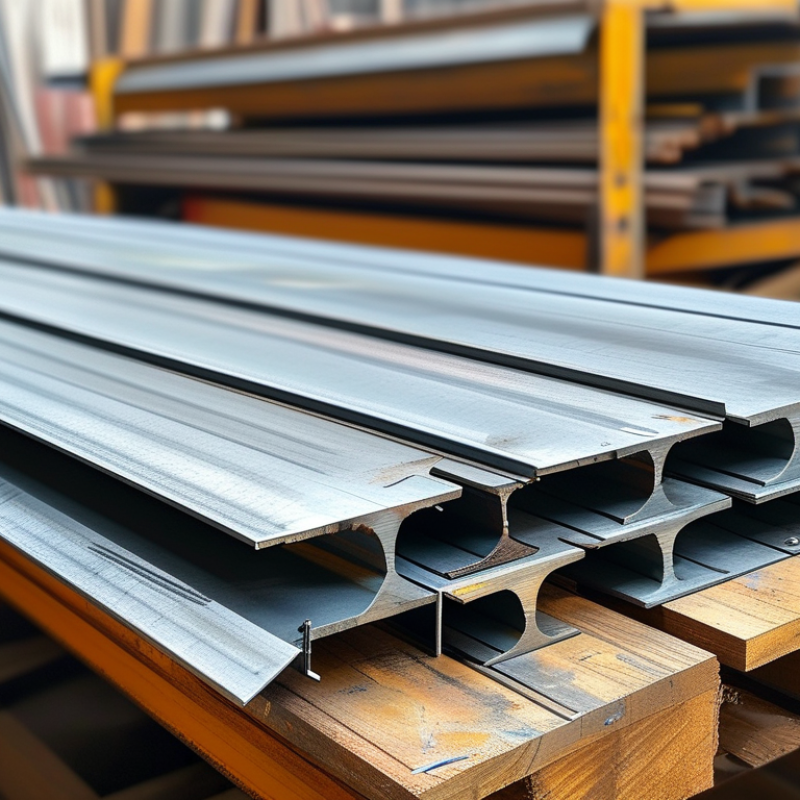
Why Choose Flat Bar for Your Next Project?
When considering materials for your next project, think of Flat Bar. This versatile product provides numerous advantages in construction and design. Flat Bars are easy to work with and can be cut, welded, or formed into various shapes. Their strength is impressive, ensuring durability and stability in different applications.
Choosing Flat Bar allows for creative solutions. Its flat surface is ideal for surface mounting and framing. However, it is essential to consider potential limitations, such as weight and corrosion resistance. Flat Bars may not be suitable for every environment, requiring additional treatments in certain conditions.
Ultimately, Flat Bar embodies a balance of strength and flexibility. Its application can elevate a project’s aesthetic and functional aspects. Reflecting on your specific needs is crucial. Will Flat Bar meet your expectations?
Benefits of Using Flat Bar in Construction Projects
Flat bars are versatile materials favored in construction projects. They offer several benefits that can enhance the quality and effectiveness of your builds. Their flat shape makes them easy to handle and install. Also, they can adapt to various applications, from structural components to decorative elements.
One significant advantage of using flat bars is their strength. They provide excellent tensile strength and stability, supporting heavy loads. When properly secured, flat bars ensure the integrity of a structure. This makes them ideal for beams, frames, and supports. Their durability reduces the need for frequent replacements, saving time and costs.
**Tip:** Measure your project's specific needs before choosing flat bars. Consider weight-bearing requirements and dimensions carefully.
Flat bars also offer design flexibility. They can be easily cut, welded, or bent to suit different shapes and sizes. This opens up creative possibilities, enabling unique designs. However, over-complicating designs might lead to higher costs or delays.
**Tip:** Keep your designs simple to avoid potential pitfalls. Test the strength of your constructs with flat bars before finalizing them.
Applications of Flat Bar in Various Industries
Flat bars are highly versatile materials with applications across many industries. In construction, flat bars serve as essential structural elements. They can reinforce beams, support walkways, and frame doors. Their strength and durability enhance the stability of various projects. This makes them a go-to choice for engineers and builders aiming for long-lasting structures.
In manufacturing, flat bars are commonly used to create brackets and supports. These components are vital in machinery and equipment assembly. The uniform dimensions of flat bars allow for precise fittings and connections. Their adaptability is advantageous; however, choosing the right thickness and width requires careful consideration. Inexperience can lead to design flaws that affect functionality.
The transportation sector also benefits from flat bars. They are often found in the production of vehicle frames, trailers, and chassis. The low weight and high strength of flat bars help reduce overall vehicle mass while maintaining integrity. However, manufacturers must balance weight with structural needs, posing challenges during the design phase. Overall, flat bars play a crucial role, but imprudent selection can lead to issues down the line.
Comparison of Flat Bar with Other Metal Profiles
When choosing materials for a project, flat bar often stands out. Compared to other metal profiles, it offers unique advantages. Flat bars are versatile. They can be easily cut, welded, or drilled. This adaptability makes them suitable for various applications, from construction to fabrications.
In contrast, round bars and Angle Bars have distinct drawbacks. Round bars provide limited surface area for connection. This can lead to weak joints. Angle bars, while strong, may not fit in tight spaces. Flat bars maintain strength while allowing flexibility in design. Their flat surfaces provide reliable support for different loads and structures.
However, it's essential to consider specific project needs. Flat bars might not always be the best option. In some cases, using a different profile could enhance strength or functionality. Evaluating materials involves careful analysis. Assessing the weight, load, and environment will inform a smarter choice. It's crucial to engage with experienced professionals for guidance, ensuring the right fit for every project.
Key Factors to Consider When Choosing Flat Bar
Choosing the right material for your project is crucial. Flat bar offers versatility, making it a popular choice across various applications. Its strength and durability make it suitable for construction, manufacturing, and even artistic endeavors. However, there are key factors to consider before making a decision.
Think about your project's specific requirements. Do you need a lightweight option, or will a heavier bar suffice? The thickness and width of the flat bar can impact its performance in different situations. Additionally, consider the finish. A coated surface can prevent rusting, while raw flat bars may need additional treatment. These details can shape the durability and aesthetic of your work.
Budget is another important element. Flat bars come in a range of prices, and it’s essential to find a balance between quality and cost. While high-quality materials may cost more upfront, they often lead to savings in the long run. Research and compare your options carefully. Finding the right flat bar requires some thought, but it will enhance the success of your project.
Tips for Sourcing High-Quality Flat Bar Materials
When sourcing flat bar materials, quality matters. Look for established suppliers that prioritize craftsmanship. They should offer a clear description of the materials and their properties. Check if they provide certifications, as this is a good indicator of reliability.
Inspecting the materials in person can be beneficial. This allows you to feel the texture and gauge its thickness. Don't hesitate to ask questions about the manufacturing process. Understanding how the flat bars are produced can reveal much about their quality.
Another aspect to consider is the customer service of the supplier. Responsive communication is essential. You want a partner who addresses your questions promptly. Sometimes, the right flat bar can be hidden among less visible suppliers. Building relationships in this industry can lead to discovering those gems.