Why Are Fiber Optic Connectors Essential for Fast Internet?
In today's digital age, fast internet is essential for both personal and professional use. At the heart of this technology lie Fiber Optic Connectors, which enable high-speed data transmission. According to Dr. Emily Larson, a leading expert in fiber optics, "Fiber optic connectors are the unsung heroes of internet speed." This statement highlights their significance in modern communication.
Fiber optic connectors ensure efficient connections between cables. They help maintain signal quality over long distances. However, not all connectors are created equal. Some can introduce a degree of signal loss. Choosing the right type is crucial. There is often confusion regarding different types of connectors. This can lead to suboptimal performance if not addressed.
Moreover, as we demand more from our internet services, the role of fiber optic connectors grows. They bridge the gap between networks, making high-definition streaming and seamless video calls possible. Understanding their importance is key to appreciating how internet speed works. While we have made strides, ongoing education on selecting and maintaining these connectors is vital for a truly fast internet experience.
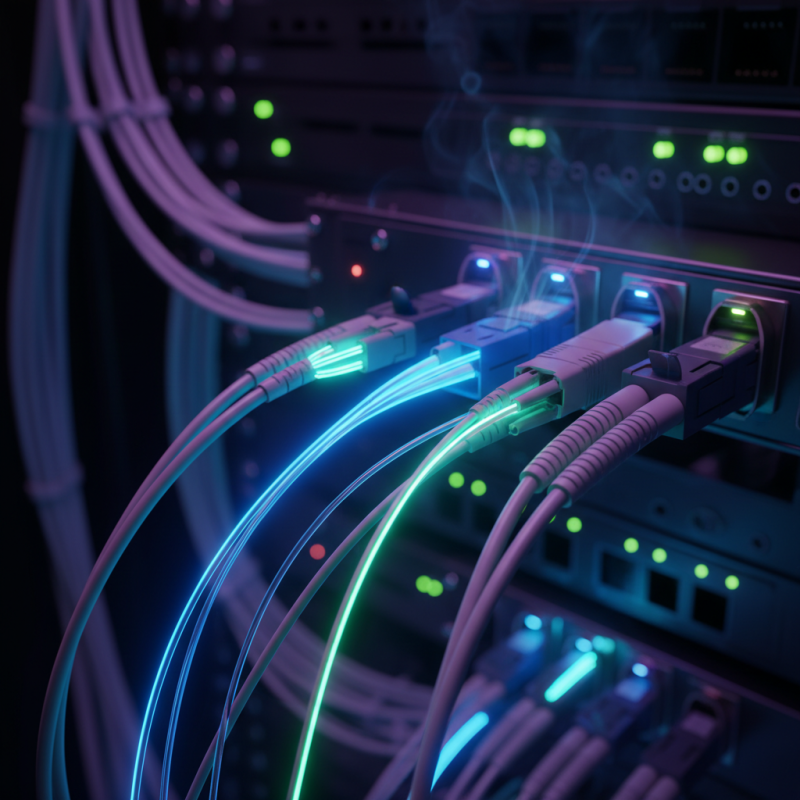
Understanding Fiber Optic Technology and Its Importance for Internet Speed
Fiber optic technology has transformed the way we experience the internet. This technology relies on thin strands of glass or plastic to transmit data at incredible speeds. The key to its efficiency lies in the connectors used to join these fibers. Poorly designed connectors can lead to signal loss. This is crucial for maintaining the high-speed data flow that fiber optics promise.
There are several tips to ensure your fiber optic connections are optimal. First, always handle the connectors with care. Dirt and dust can cause significant interference. Just a small speck can disrupt performance. Second, invest in quality testing tools. Regular checks can help identify issues before they become significant problems.
Understanding the importance of each component helps improve overall performance. In many cases, users may overlook this. It feels easy to assume that data will seamlessly travel through a fiber cable. However, without meticulous attention to connectors, speeds could falter. It’s essential to consider every aspect of your setup if you're aiming for that fast internet experience.
The Role of Fiber Optic Connectors in Data Transmission Efficiency
Fiber optic connectors play a crucial role in data transmission efficiency. These connectors help link fibers together, ensuring smooth data flow. A good connection minimizes signal loss, which can slow down the internet. When data travels through these connections, the quality determines speed. Any imperfections or misalignments can lead to delays or interruptions.
Tips for maintaining your fiber optic connections include regularly checking for dust or debris on connectors. Tiny particles can disrupt signals. Always handle fibers with care to avoid bending or breaking them. This can affect performance.
Also, consider the installation environment. Extreme temperatures can impact fiber performance. Inadequate support can lead to unnecessary stress on the cables. Always use proper strain relief measures. These steps can significantly improve your internet experience. Without attention to detail, your system may not function at its best.
Types of Fiber Optic Connectors and Their Unique Benefits
Fiber optic connectors play a crucial role in ensuring high-speed internet connectivity. They allow for seamless data transmission over vast distances. Different types of fiber optic connectors are designed to meet various requirements in communication networks.
LC connectors, for instance, are compact and popular in data centers. Their small size allows for higher density connections. According to industry reports, using LC connectors can save up to 25% more space than traditional connectors. Meanwhile, SC connectors are known for their durability and straightforward push-pull design. They are often favored in telecom environments. Their simplicity can reduce installation errors, but they require careful handling to avoid damage.
MTP connectors, which support multi-fiber arrays, are gaining traction. They facilitate quicker installations, claiming to halve the deployment time. These connectors, however, can be tricky to manage due to their complexity. Improper handling may lead to performance issues. The variety of fiber optic connectors highlights the need for careful selection. Each type offers unique benefits, yet they also come with distinct challenges. Understanding these nuances is essential for setting up effective fiber networks.
Impact of Quality Connectors on Network Performance and Reliability
Fiber optic connectors play a crucial role in network performance and reliability. The quality of these connectors directly impacts data transmission speeds. Research indicates that subpar connectors can lead to over 50% signal loss. This loss results in slower internet speeds and increased latency. In contrast, high-quality connectors ensure minimal loss, promoting faster and more stable connections.
Improperly installed connectors or those made of inferior materials can cause significant issues. Even a slight misalignment can degrade performance. For example, a dirty connector surface may introduce noise into the system. This can undermine the very benefits that fiber optics provide. Thus, investing in high-quality connectors is not just advisable; it's essential.
Tips: Regular maintenance is key. Cleaning connectors can help maintain optimal performance. Additionally, always check compatibility with existing fiber optic systems. Opting for no-name connectors may save money, but they often compromise reliability. This could lead to costly downtime or even data loss. Prioritizing quality is critical for long-lasting network efficiency.
Future Trends in Fiber Optic Technology and Connector Innovations
The future of fiber optic technology is bright and full of innovations. As demand for faster internet grows, so does the need for advanced connectors. These connectors are crucial for reducing signal loss and ensuring high-speed data transmission. Many new designs focus on miniaturization. Smaller connectors can save space in crowded environments. They also make installation easier.
Another trend is the development of smarter connectors. These connectors can monitor performance in real-time. This feature helps identify issues before they disrupt service. Yet, the industry still faces challenges. Compatibility among different connector types remains a concern. Some installations might require custom solutions. This can lead to increased costs and delays.
Moreover, advancements in materials are on the horizon. For instance, new fibers are being tested to enhance durability and flexibility. However, widespread adoption may take time. The transition to next-gen technology often encounters resistance. There is a need for education and awareness in the market. Balancing innovation with practicality is essential for growth.
Why Are Fiber Optic Connectors Essential for Fast Internet? - Future Trends in Fiber Optic Technology and Connector Innovations
| Dimension | Details |
| Connector Type | SC, LC, ST, MTP/MPO |
| Data Rate | Up to 400 Gbps |
| Maximum Distance | Up to 80 km with proper connectors |
| Environmental Resistance | IP67 and higher for outdoor applications |
| Insertion Loss | Less than 0.3 dB |
| Return Loss | Greater than 50 dB |
| Future Trends | Increased standardization and miniaturization |
| Connector Innovations | Advanced materials and improved interoperability |