Top 5 Farming Drone Tips for Efficient Crop Management?
In the rapidly evolving landscape of modern agriculture, Farming Drones have emerged as essential tools for enhancing crop management. According to Dr. Emily Carter, a leading expert in precision agriculture, "Farming Drones revolutionize how farmers see and manage their fields." Her insights reflect the growing reliance on technology to improve productivity and sustainability.
Farmers today face numerous challenges, from unpredictable weather patterns to pest control. Farming Drones offer innovative solutions, enabling real-time monitoring of crop health. They can identify stressed areas in fields that might require immediate attention, allowing for targeted interventions. Yet, not every farmer sees the full potential of these tools. Many still rely on traditional methods, limiting their efficiency.
Understanding how to integrate Farming Drones into existing practices can be daunting. However, with the right tips and insights, farmers can unlock the full capabilities of these advanced machines. Embracing technology is critical for future agricultural success. Small adjustments in how drones are utilized can significantly impact crop yields and minimize resource waste. It's time for farmers to reflect on their methods and consider these advancements.
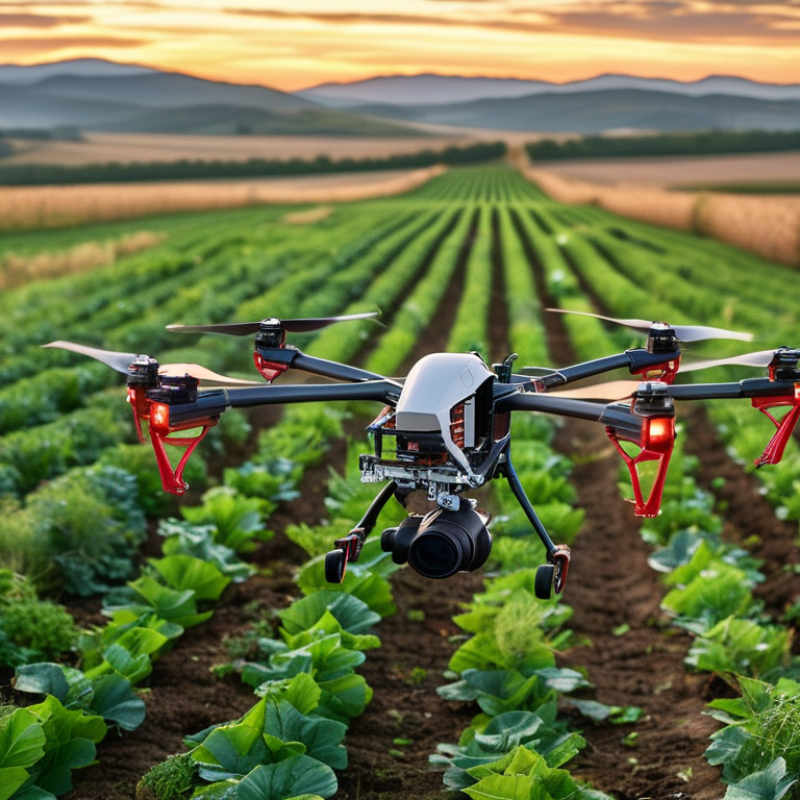
Understand the Basics of Farming Drones and Their Use in Agriculture
Farming drones represent a revolutionary advancement in agriculture. Understanding their basics can transform crop management. Drones can monitor vast fields quickly. They collect data on crop health, soil quality, and irrigation needs. Farmers can use this information to make informed decisions on resource allocation.
Operating a farming drone requires training. Pilot skill influences data accuracy. A poorly calibrated drone may deliver misleading information. Familiarity with drone software is equally important. Farmers must learn to analyze data effectively. This analysis is crucial for optimizing yields and saving costs.
While drones offer efficiency, challenges exist. Weather conditions can impact flight performance. Privacy concerns may arise regarding aerial surveillance. Farmers should address these issues proactively. As technology evolves, innovation will likely improve drone capabilities. Yet, reliance on technology necessitates a balance with traditional methods.
Top 5 Farming Drone Tips for Efficient Crop Management
This chart illustrates the percentage of usage frequency for different applications of farming drones in efficient crop management. The majority of drone use is dedicated to planting, followed by monitoring and spraying, showing the pivotal role they play in modern agriculture.
Choose the Right Drone for Your Specific Crop Management Needs
When selecting a drone for crop management, understanding your specific needs is crucial. Different drones serve various purposes, from mapping fields to monitoring crop health. Define your objectives clearly. For instance, you might need a drone for precise pesticide application, or perhaps for detailed aerial imaging. Each function requires distinct features.
Consider the drone's payload capacity. Some crops may need heavier equipment, such as advanced sensors or spraying systems. If your crops are tall, a drone with strong vertical flight capabilities is vital. It ensures that the equipment functions effectively without damage.
Don't overlook battery life and flight time. A drone that can cover larger areas without frequent recharging is more efficient. However, higher performance often comes with a steeper learning curve. Remember, not every drone will fit seamlessly into your operations. Regular training and adaptation will be necessary. This requires commitment and an understanding that mistakes will happen along the way.
Learn to Utilize Precision Agriculture Techniques with Drones
Drones are revolutionizing precision agriculture. Utilizing aerial imagery, farmers can monitor crop health efficiently. According to a study by the Agricultural Drone Association, drone technology can increase crop yield by up to 20%. This method saves time and resources.
Tip one: Regularly conduct drone surveys. High-resolution images help identify issues like pests or water stress early. Monitoring LED and NDVI data allows timely interventions.
Tip two: Use different drone sensors. Multispectral and thermal sensors provide critical insights. They enable farmers to make informed decisions on irrigation and fertilizer use.
Precision agriculture with drones enhances crop management. The technology reduces labor costs and boosts productivity. However, farmers should reflect on their implementation process. Each farm's needs differ. It's essential to assess the specific benefits and challenges of using drones. Balancing these elements can lead to sustainable farming practices.
Top 5 Farming Drone Tips for Efficient Crop Management
| Tip | Description | Benefits |
| 1. Use Multispectral Cameras | Utilize drones equipped with multispectral cameras to capture detailed data about crop health and soil conditions. | Identifies areas needing attention, improves yields, and optimizes resource allocation. |
| 2. Schedule Regular Flights | Implement a strategic timeline for drone flights to monitor crop growth and detect problems early. | Enhances crop surveillance and promotes timely interventions. |
| 3. Analyze Flight Data | Use specialized software to analyze the data collected from drone flights for actionable insights. | Informs decision-making and maximizes crop productivity. |
| 4. Map Soil Conditions | Create detailed soil maps to assess fertility and moisture levels across the field. | Enables precise fertilization and irrigation, leading to improved crop performance. |
| 5. Employ Automated Spraying | Utilize drones for automated spraying of pesticides and fertilizers based on real-time data. | Reduces chemical usage, lowers labor costs, and enhances application efficiency. |
Master Data Collection and Analysis for Optimal Crop Monitoring
Data collection is vital for effective crop monitoring. Using drones, farmers can gather high-resolution images of their fields. These images offer insights into plant health and soil conditions. Real-time data enables quick decision-making. Farmers can identify issues like pests or diseases early. This proactive approach saves time and resources.
Analyzing the data is equally important. Farmers must learn to interpret drone imagery effectively. Understanding indicators like NDVI (Normalized Difference Vegetation Index) can reveal crop stress levels. Training or workshops on data analysis can be beneficial. It's crucial to have proper knowledge to extract meaningful metrics from drone data.
Incorporating feedback is essential. Farmers should regularly assess their drone usage and data accuracy. Reflecting on past harvests can uncover patterns. Sometimes, data might be misleading. Adjusting methods based on both successes and failures leads to continuous improvement. Embracing technology while remaining critical can enhance crop management significantly.
Implement Best Practices for Drone Maintenance and Operation Safety
Drone maintenance is crucial for effective crop management. Regularly check your drone for wear and tear. A well-maintained drone operates safely and more efficiently. This involves inspecting propellers, motors, and batteries. Look for any signs of damage before each flight. Small issues can lead to bigger problems if ignored.
Operating drones requires adherence to safety protocols. Always fly in open fields away from people and structures. Use a pre-flight checklist to ensure everything is functioning properly. Weather conditions can change quickly, impacting safety and efficiency. Adjust your plans accordingly. It’s best to avoid flying in windy or rainy conditions. Experience tells us that precaution is key.
Training is essential for safe operation. Ensure all operators are well-versed in drone technology and local regulations. Misunderstandings about drone capabilities can lead to mistakes. Continuous learning is vital. Gather feedback after each flight. Reflect on what went well and what needs improvement. This will enhance both efficiency and safety in your future operations.