Essential Tips for Efficient Sheet Metal Production Process?
The Sheet Metal Production industry plays a critical role in manufacturing, influencing various sectors like automotive and aerospace. According to a report by MarketsandMarkets, the sheet metal fabrication market is projected to reach $225 billion by 2026, illustrating its immense economic significance. This growth emphasizes the need for optimized processes that enhance efficiency, reduce costs, and maintain high-quality standards.
Achieving efficiency in Sheet Metal Production requires an understanding of key factors. Companies often struggle with waste and downtime, which can significantly impact profitability. A study by Deloitte indicates that manufacturers lose nearly 5% of their revenue due to inefficient processes. Adopting lean manufacturing principles and investing in advanced technologies, like automation, can mitigate these issues and drive continuous improvement.
Nevertheless, many organizations overlook the importance of employee training and skill development in their production processes. A skilled workforce is essential for maximizing technology benefits and ensuring process reliability. Emphasizing ongoing education can bridge performance gaps and cultivate a culture of innovation, ultimately boosting competitive advantage in the Sheet Metal Production landscape.
Understanding the Basics of Sheet Metal Production Processes
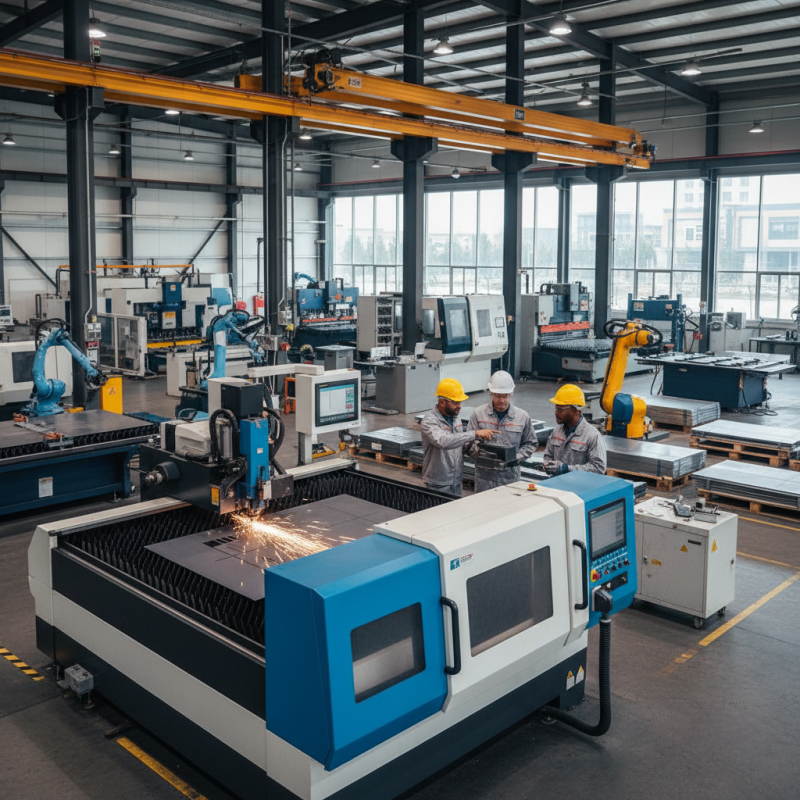
Understanding the basics of sheet metal production is crucial for efficiency. Sheet metal processes include cutting, bending, and assembling. Each step requires precision and attention to detail. For example, cutting can be done using laser, plasma, or water jet. The choice affects the quality and speed of production.
Bending involves shaping the metal along a defined axis. This step demands calibrated tools to ensure accuracy. Inaccuracies can lead to material wastage or poor fitting parts.
Welding is another vital part of assembly. Different techniques require different setups and conditions.
Some processes can be improved with technology. Yet, reliance on machines may overlook human skills. Workers should be trained to spot potential issues early. Maintaining open communication helps everyone stay informed.
Keeping an eye on these basics can lead to smoother production flows and improved outcomes.
Key Factors Influencing Efficiency in Sheet Metal Production
Efficiency in sheet metal production is determined by several key factors that manufacturers must prioritize. According to industry reports, setup time accounts for nearly 25% of total production time. Reducing this time can significantly enhance workflow. Implementing advanced machining techniques and ensuring tools are properly calibrated are essential steps for efficiency.
Another critical factor is workforce training. A skilled workforce can reduce errors, which can lead to delays. The Fabricators & Manufacturers Association reports that ongoing training can improve productivity by up to 30%. Investing in employee development is not just a cost; it is a pathway to operational excellence.
Moreover, the integration of automation can be a double-edged sword. While it may improve consistency, it often requires high initial investments and maintenance. An analysis revealed that companies that automate effectively see productivity gains of 20% or more. However, those that do not manage the technology properly could face interruptions. Balancing these factors is vital for a streamlined sheet metal production process.
Techniques for Optimizing Material Utilization in Production
Effective material utilization is critical in the sheet metal production process. One approach is to maximize nesting efficiency. Nesting involves arranging parts within a sheet to minimize waste. Advanced software can assist in creating optimal layouts. However, it’s essential to regularly evaluate and update these layouts; relying solely on initial designs may hinder progress.
Another technique is pre-set design guidelines. Establishing standard dimensions can streamline production, ensuring that parts fit well within the material sheet. Nonetheless, designers may face challenges, such as material constraints or complexity in product requirements. Continuous training and communication among team members are vital to address these challenges.
Monitoring scrap rates can provide valuable insights. High scrap rates indicate inefficiencies in the production process. Regularly reviewing these rates allows for adjustments and improvements. It’s important to involve all team members in this analysis; everyone’s input can lead to innovative solutions. Embracing a culture of reflection can transform the production process.
Best Practices for Machine Setup and Maintenance in Metalworking
Setting up machines for metalworking requires careful attention. Ensure all tools are properly calibrated before production begins. A well-calibrated machine reduces errors and increases output quality. Check for any wear and tear on components. Even small issues can lead to significant production delays. Regular inspections are vital to maintain efficiency.
Maintenance is another critical aspect. Create a schedule for routine cleaning and part replacements. Dust and debris can impact machine performance. Lack of maintenance often leads to unexpected downtime. It’s essential to train your team on proper maintenance procedures. A knowledgeable team can spot potential problems early.
Tracking machine performance is crucial for improvement. Note when machines experience issues. This data informs future maintenance choices. A good practice is to analyze this information regularly. Encourage a culture of continuous improvement among workers. Sometimes, even minor adjustments can enhance the overall production process.
Quality Control Measures to Enhance Production Efficiency
Quality control is vital in the sheet metal production sector. It directly influences production efficiency and overall output. Studies show that companies with effective quality control measures can boost productivity by up to 30%.
Implementing standardized inspection processes is crucial. Regularly checking material integrity and tolerances can prevent downstream defects. These defects often lead to costly reworks and production delays. A recent report highlighted that 20% of production time is spent addressing quality issues.
Employee training plays a significant role in quality control. Skilled workers can identify potential problems early in the process. This proactive approach often leads to a reduction in waste and increased throughput. However, many companies still overlook ongoing training, leading to missed opportunities for efficiency gains. Consistent monitoring of production metrics can also help identify trends and areas for improvement.
Essential Tips for Efficient Sheet Metal Production Process
| Production Stage | Quality Control Measure | Efficiency Impact | Cost Implication |
| Cutting | Laser cutting precision check | Reduces waste by 10% | Moderate |
| Bending | Regular tool calibration | Improves production cycle time by 15% | Low |
| Welding | Visual inspection and testing | Reduces rework rates by 20% | High |
| Finishing | Surface quality evaluation | Increases customer satisfaction | Moderate |