10 Essential Tips for Choosing a Plastic Blow Moulding Machine?
Choosing the right Plastic Blow Moulding Machine is crucial for manufacturers today. The global blow moulding market is projected to grow significantly, reaching approximately $9.7 billion by 2027, according to industry reports. This growth highlights the importance of selecting a reliable machine that meets your specific production needs.
In an industry driven by efficiency and quality, understanding the various factors at play is essential. For example, optimal machine speed and energy consumption can dramatically affect production costs and product quality. It’s not just about making a choice; it's about making an informed decision based on precise specifications and performance metrics.
Manufacturers often overlook critical aspects, leading to costly mistakes. The machine's adaptability to different materials and its maintenance requirements are vital considerations. A machine might excel in one area but fall short in another, revealing a need for deeper analysis. Thus, awareness of these nuances empowers businesses to invest wisely in their manufacturing capabilities.
Understanding the Basics of Plastic Blow Moulding Machinery
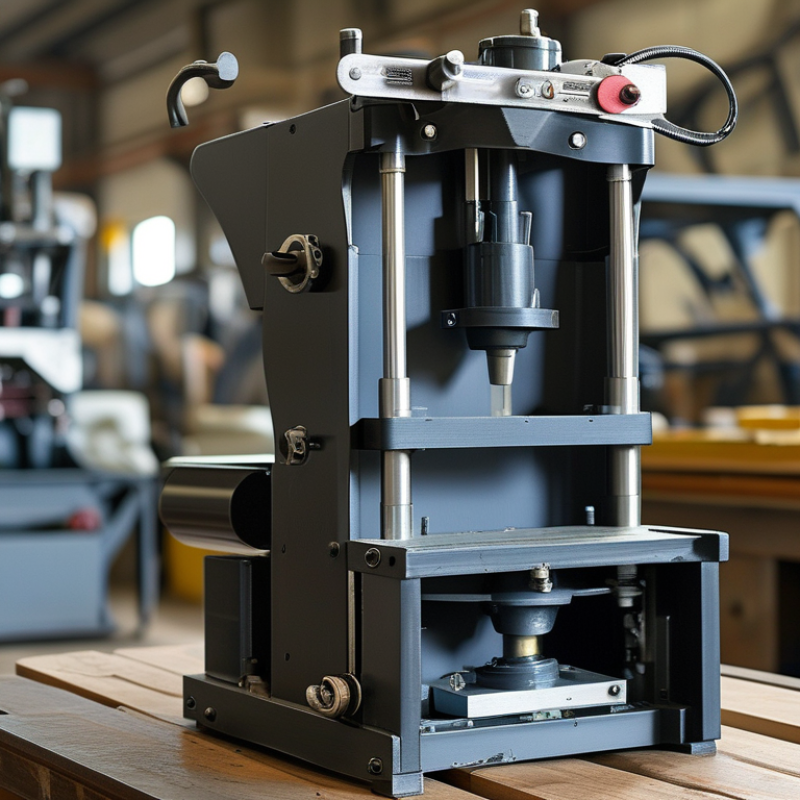
Understanding the basics of plastic blow moulding machinery is crucial for making informed choices. Blow moulding is a process used to create hollow plastic parts. It involves melting plastic and injecting it into a mould. The mould is then inflated to form the desired shape. This method is widely used in manufacturing bottles, containers, and other products.
Choosing the right machine requires knowledge of its features and capabilities. Pay attention to the machine’s production speed and energy efficiency. These elements can significantly impact operational costs. Additionally, consider the type of plastic you intend to use. Different machines are designed for specific plastics. Understanding these materials helps in achieving better quality products.
While many features seem beneficial, not every advanced option is necessary for every operation. It’s essential to evaluate your production needs carefully. An overly complex machine could lead to inefficiencies. Not all manufacturers provide the same level of support, so research their reputation. Often, customer feedback reveals more about the machine's reliability than technical specifications alone. Recognizing these aspects early can prevent costly mistakes in the long run.
10 Essential Tips for Choosing a Plastic Blow Moulding Machine
| Tip No. | Tip | Description |
| 1 | Assess Production Needs | Determine the volume and types of products you will be producing. |
| 2 | Consider Machine Speed | Evaluate the speed of production required for your operations. |
| 3 | Evaluate Energy Efficiency | Choose machines designed to minimize energy consumption. |
| 4 | Check for Versatility | Look for machines that can handle different types of plastics and shapes. |
| 5 | Analyze Total Cost of Ownership | Consider not just the purchase price but also maintenance and operational costs. |
| 6 | Research Manufacturer Support | Ensure reliable service and support from the manufacturer is available. |
| 7 | Consider Equipment Size | Ensure the machine fits within your facility's layout and space constraints. |
| 8 | Review Safety Features | Prioritize machines that include safety mechanisms to protect operators. |
| 9 | Assess Automation Options | Explore semi-automated and fully automated machine options. |
| 10 | Seek Industry Reviews | Read customer feedback and industry reviews to gauge performance and reliability. |
Key Features to Look for in Plastic Blow Moulding Machines
When selecting a plastic blow moulding machine, key features play a crucial role in making an informed decision. Start by assessing the machine's size and capacity. Larger machines may enhance production but can also require more space. Consider your production needs and where you will place the equipment. The ability to produce various container shapes should not be overlooked. Flexibility in design can often lead to business growth, so choose a machine that accommodates multiple formats.
Energy efficiency is another essential aspect. Machines that consume less energy can cut costs and improve sustainability. Look for models with advanced heating and cooling systems. These systems ensure uniformity and reduce waste. Similarly, the material compatibility of the machine should align with the types of plastics you plan to use. Each material has unique properties; knowing these can prevent operational hiccups.
Finally, ease of operation and maintenance should be prioritized. A user-friendly interface simplifies training for staff. Regular maintenance keeps machines in top shape. Yet, finding the right balance between automation and manual control can be challenging. Over-reliance on automated processes may lead to skill decline in operators. Reflect on these aspects to ensure the machine serves well in the long run.
Key Features to Look for in Plastic Blow Moulding Machines
Assessing the Production Capacity Requirements for Your Needs
When assessing production capacity requirements for a plastic blow moulding machine, it’s vital to consider specific needs. According to the Plastics Industry Association, the demand for blow-moulded products is expected to grow by 3.5% annually. This trend indicates a steady market where the right machine can help meet increasing needs.
Begin by evaluating your current and projected production volumes. If your facility requires over 10,000 units per shift, it may be necessary to invest in high-capacity machines. A machine with a capacity of 400 liters can produce about 800 bottles per hour, making it suitable for large-scale operations. However, lower-volume manufacturers may find smaller machines more effective. Temporary spikes in demand should also be factored in.
Additionally, consider the materials you plan to use. Some machines are optimized for certain resins, which may affect the quality and speed of production. It's crucial to assess whether your chosen machine can handle various materials efficiently. Ignoring this can lead to inefficiencies and quality issues. Understand your production goals and how they align with the capabilities of your potential equipment.
Evaluating the Cost-Effectiveness of Different Machine Models
When evaluating the cost-effectiveness of plastic blow moulding machines, a thorough analysis is essential. Industry reports suggest that operational costs can often exceed initial purchases. It's crucial to consider energy efficiency, as machines can consume significant power. According to the Plastics Industry Association, energy costs account for about 20% of the operational expenditure. Selecting a model with lower energy consumption can lead to large savings over time.
Maintenance costs are another critical factor. Regular upkeep can require substantial investments. A study from the Society of Plastics Engineers indicates that annual maintenance can be 15% of the machine’s initial cost. Investing in machines known for reliability and ease of maintenance can mitigate these expenses. It’s essential to consider long-term reliability rather than just upfront costs.
Lastly, production efficiency plays a vital role. Not all machines produce the same quantity or quality of products. Reports indicate that up to 10% of production can be wasted due to machine inefficiencies. Opting for models with better output rates can significantly enhance cost-effectiveness. Choosing the right blow moulding machine is about balancing various factors for long-term profitability.
Identifying Reliable Manufacturers and Suppliers for Your Equipment
When choosing a plastic blow moulding machine, identifying reliable manufacturers and suppliers is crucial. The market for blow moulding machines is projected to grow significantly, reaching over $6 billion by 2025. This growth underscores the need for careful vendor selection. Look for suppliers with a history of innovation and quality. Certifications and compliance with industry standards are essential indicators of reliability.
One key tip is to assess the manufacturer's reputation. Reputable companies often have positive reviews and a portfolio of successful installations. Engage with their existing customers to gauge product performance and service quality. Transparency about their manufacturing processes and material sourcing is another sign of credibility.
Additionally, consider the support and training offered by the supplier. A reliable manufacturer provides thorough training for your team. They should also have an efficient after-sales service and spare parts availability. Pay attention to how responsive they are during the initial inquiry phase; it reflects their commitment to customer service. With numerous options available, thorough due diligence doesn’t just save money; it improves long-term productivity.