How to Use Feumr Interlocking Nails Effectively?
In the world of orthopedic surgery, the effective use of "Feumr Interlocking Nails" is crucial for successful outcomes. Dr. Emily Harrington, a renowned orthopedic surgeon, emphasizes, "Correct application of interlocking nails can make or break a surgery." This statement encapsulates the importance of proper technique when using these innovative devices.
Understanding the intricacies involved in the application of Feumr Interlocking Nails can elevate surgical results. Surgeons must be meticulous in alignment and insertion angles. Even minor miscalculations can lead to complications. Unintended errors often emerge due to hurried procedures or insufficient training. Balancing speed and precision is a constant challenge.
Furthermore, ongoing education and hands-on practice are vital. The learning curve for mastering these nails is steep. As techniques advance, staying informed about new methodologies is essential. Learning from previous mistakes fosters a culture of improvement. In the dynamic field of orthopedics, embracing both knowledge and experience shapes the future of surgical practices with Feumr Interlocking Nails.
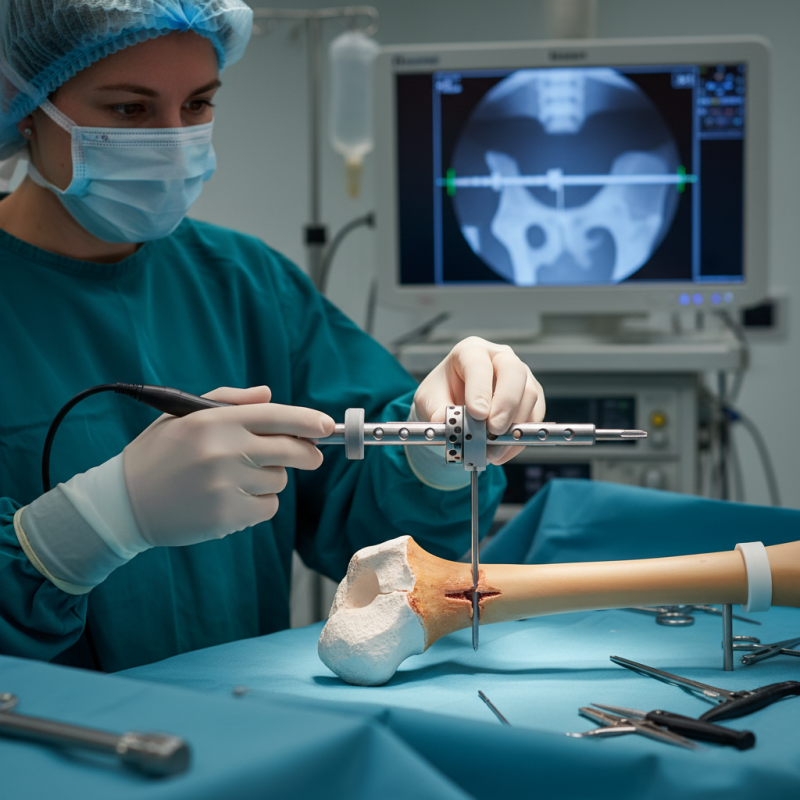
Understanding Feumr Interlocking Nails and Their Purpose
Feumr interlocking nails are specialized implants used in orthopedic surgery. They provide stability in complex fractures, especially in long bones. According to recent industry studies, these nails can significantly reduce recovery time and improve overall patient outcomes. The demand for interlocking nails is increasing, reflecting their effectiveness in treating fractures that traditional methods might struggle with.
Implementing Feumr interlocking nails requires precision. Surgeons must carefully plan the entry point and angle to optimize implant performance. Misalignment can lead to complications, like improper healing or implant failure. Data shows that misalignment affects nearly 15% of cases. This highlights the need for thorough pre-operative imaging and consideration of each individual case.
Tip: Always assess the patient's bone quality before surgery. For instance, compromised bone density may require special consideration. Additionally, post-op monitoring plays a crucial role in detecting issues early. Engaging with patients about their recovery expectations can enhance satisfaction but also highlights the need for vigilance in tracking progress. Failure to address these could result in unexpected complications.
The Importance of Proper Surgical Technique with Interlocking Nails
The importance of proper surgical technique when using interlocking nails cannot be overstated. During the procedure, precision is essential for achieving optimal alignment and stability. Surgeons must pay close attention to the anatomy of the bone. Misalignment can result in complications, affecting healing and long-term functionality.
Attention to detail is key. The angle of insertion should be carefully evaluated. Using the wrong angle can jeopardize the integrity of the nail. This might lead to a disappointing outcome. Regular training and practice sessions help improve these skills. Surgeons can benefit from simulation exercises to enhance their understanding of the procedure.
Moreover, reviewing past cases can yield insightful lessons. Analyzing mistakes helps to prevent future errors. Reflection on surgical outcomes encourages continuous improvement. Every case offers an opportunity to learn and grow. The path to mastery is often paved with challenges and setbacks. Embracing these experiences fosters better surgical practices.
How to Use Feumr Interlocking Nails Effectively? - The Importance of Proper Surgical Technique with Interlocking Nails
| Aspect | Description | Importance |
| Preoperative Planning | Assessing patient’s condition, imaging studies, and determining nail size. | Critical for reducing complications during surgery. |
| Surgical Technique | Precise insertion and alignment of interlocking nails. | Ensures proper stabilization of the fracture. |
| Postoperative Care | Monitoring for infection, proper limb immobility, and rehabilitation. | Essential for optimal healing and recovery. |
| Complications | Potential issues such as infection, misalignment, or nonunion. | Awareness can help in early detection and management. |
| Follow-Up Procedures | Regular x-rays and clinical assessments. | Crucial for ensuring the success of the treatment. |
Step-by-Step Guide to Preparing the Bone for Nail Insertion
Preparing the bone for nail insertion is a critical step in achieving successful interlocking nail fixation. Start by assessing the fracture site. Clean the area thoroughly to minimize the risk of infection. Use sterile instruments for all procedures. This initial cleanliness is vital for bone healing.
Next, consider the bone anatomy. Identify the precise location for nail insertion. Use imaging techniques to guide your approach. Create a drilling plan that respects the surrounding structures. Accurate placement can significantly affect stability. Remember, even a small miscalculation can lead to complications.
Drilling the bone requires caution. Ensure the drill bit is sharp and appropriate for the bone density. Watch for heat generation during the process. Excessive heat can damage bone tissue. Use a cooling irrigation system if available. After drilling, check for debris and clean out the site before inserting the nail. Each step demands attention to detail. Reflect on your technique and aim for improvement with every procedure.
Post-Operative Care and Monitoring After Using Interlocking Nails
Post-operative care is crucial after using interlocking nails for bone stabilization. Patients should expect some swelling and discomfort. Ice packs can help reduce inflammation. However, it's essential to monitor pain levels. Pain that worsens could indicate complications. Engage with healthcare providers immediately if this occurs.
Wound care plays a significant role in recovery. Keeping the incision site clean and dry is vital. Watch for signs of infection such as increased redness and discharge. Regular dressing changes should be scheduled, but it's a process that can feel tedious. Sometimes, the healing seems slow, and patience is required.
Physical therapy is often necessary for regaining strength. Simple exercises can improve mobility yet may feel challenging. It's important to listen to your body during this stage. If exercises cause excessive pain, adjustments must be made. Reflection on progress helps motivate patients to stay on track.
Common Complications and Troubleshooting Tips for Feumr Nails
Feumr interlocking nails are useful, but complications can arise. Understanding these issues is crucial for effective use. One common complication is misalignment during insertion. This can lead to improper healing and may require revision. Surgeons should ensure accurate placement to avoid this.
Another potential trouble is infection. Signs of infection include fever, redness, and swelling around the insertion site. It’s vital to monitor these symptoms closely. If any arise, consult a medical professional immediately. Prompt attention can prevent serious issues later.
Tips for avoiding complications: Always use a sterile technique during surgery. This reduces infection risks. Regular follow-ups can catch misalignment early. Additionally, ensure patients are educated on care post-surgery. Clear instructions can help them recognize abnormal symptoms. Proper care makes a difference in recovery.