How to Print on Aluminium Cans Effectively?
In the burgeoning field of packaging, "Printing On Aluminium Cans" has become a pivotal topic. Expert Dr. Sarah Miller, a leading figure in the printing technology industry, states, “Precision in printing is essential for capturing consumer attention.” This highlights the importance of effective techniques when printing on aluminium surfaces.
Aluminium cans serve various industries, from beverages to cosmetics. The challenge lies in ensuring the print quality is not only eye-catching but also durable. Various methods exist, such as digital and screen printing, each with its unique benefits. However, imperfect techniques can lead to misalignments and color mismatches, which hampers brand image.
Attention to detail is crucial in this process. Brands must continually assess printing methods for advancements. By understanding the intricacies involved, businesses can achieve better results. Reflection on past mistakes can lead to more effective practices in "Printing On Aluminium Cans." It's a journey towards excellence.
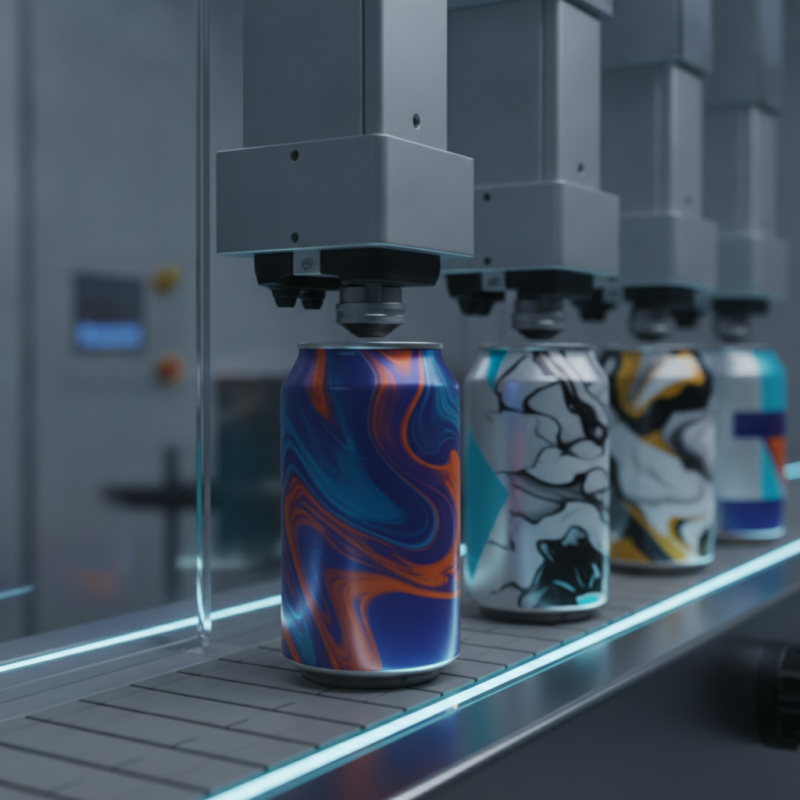
Understanding the Basics of Printing on Aluminium Cans
Printing on aluminium cans requires a thorough understanding of the printing process. Aluminium is a unique material that presents specific challenges and opportunities. The right inks and printing methods can enhance the vibrancy of designs, ensuring they stand out on shelves. According to a study by Smithers Pira, the global market for can printing is expected to reach $4.5 billion by 2025, reflecting the growing importance of aesthetics in packaging.
One essential tip is to select appropriate inks. UV-cured inks work well on aluminium, providing durability and vibrant colours. Water-based inks may also be considered, but they can sometimes lead to smudging. Another factor to think about is surface preparation. The can’s surface must be clean and free of oils. This non-directly observed phase can impact the final print quality.
Another point to consider is the printing technique. Digital printing allows for high-quality, detailed designs. However, it may not always be cost-effective for larger batches. Offset and flexographic printing are preferable for bulk production. Each method has its pros and cons, but evaluating your specific needs can guide you toward an informed decision. Always test runs are advisable to assess print fidelity before full-scale production.
Choosing the Right Printing Technique for Aluminium Cans
When it comes to printing on aluminium cans, selecting the right technique is essential. Companies typically choose between screen printing, digital printing, and flexographic printing. Screen printing remains a popular choice, especially for bold designs. It offers vibrant colors. However, it can be costly for small runs.
Digital printing has gained traction in recent years. According to a study by Smithers Pira, the digital printing market is expected to grow at a compound annual growth rate of over 5% until 2025. This technique allows for quick turnaround times and customization. However, it may not always achieve the same quality as screen printing for large volumes.
Flexographic printing serves as another viable method. It is known for its efficiency and ability to produce high-quality images at a speed. This method uses fast-drying inks, making it suitable for large-scale production. However, setup costs might deter smaller brands. Many are reevaluating their options in the face of rising production expenses. As packaging trends evolve, the right printing method plays a crucial role in maintaining both quality and budget constraints.
Printing Techniques for Aluminium Cans
Preparing the Surface of Aluminium Cans for Optimal Printing
Preparing the surface of aluminium cans is crucial for effective printing. A clean and properly prepared surface ensures better adhesion of inks, resulting in vibrant colors and durable prints. According to industry reports, over 80% of printing defects are linked to surface issues. Thus, addressing these can significantly enhance print quality.
Cleaning is the first step in surface preparation. It removes contaminants like oils and dust. Many manufacturers recommend using a combination of solvents for a deeper clean. A study noted that using isopropanol can lower the contamination rate by nearly 50%. Additionally, surface roughness plays a vital role. Cans with micro-textured surfaces allow inks to adhere better. However, the challenge lies in achieving this texture consistently across all batches.
Some processes can introduce variability. For instance, improper drying techniques can leave residues, counteracting the cleaning effort. Regular checks on surface quality are essential. Inconsistent surface treatment can result in poor print adhesion. Monitoring tools like contact angle goniometers can assess wettability, helping manufacturers adjust their methods effectively. A recent survey highlighted that 70% of printers overlook these quality control measures, often leading to unsatisfactory finishes. Accurate preparation can elevate the entire printing process, yet many still grapple with these challenges.
Design Considerations for Effective Aluminium Can Printing
When considering the design for printing on aluminium cans, clarity is paramount. Research shows that 70% of consumers make purchase decisions based on packaging design. This means your artwork must catch the eye. Use bold colors and simplistic graphics that translate well on shiny surfaces. The contrast must be strong enough to ensure legibility from afar.
Another critical aspect is the choice of fonts. Data indicates that sans-serif fonts perform better on smaller scales, providing higher readability. A study from the Packaging Institute revealed that 85% of consumers want information on the product to be easily understandable. Avoid overly intricate designs. They can distort in the printing process, leading to wasted resources and time.
Additionally, consider the print method. Flexography and digital printing both have their merits. Flexography offers speed and efficiency for large runs, while digital printing excels at customization. However, less attention is often paid to how the ink interacts with the aluminium surface. Poor adhesion can lead to smudging, ruining the overall aesthetic. Testing is recommended to perfect your approach.
Post-Printing Processes and Quality Control for Aluminium Cans
Effective post-printing processes for aluminium cans are crucial for achieving high-quality results. After printing, it's vital to inspect for imperfections, such as misalignment or fading. Quality control should begin at this stage. Implement strict checks to ensure the print adheres correctly to the can's surface. Also, verify that the colors match the specifications precisely.
Tips: Use a lightbox to evaluate color consistency. This can help you see any discrepancies that may not be visible under normal lighting. Establish a routine for checking the printed cans. Consistency is key to maintaining quality over time.
Another essential aspect is curing the printed cans. Proper curing allows the ink to bond with the aluminium, enhancing durability. Skipping this step can lead to smudging or flaking. Monitor the curing times and temperatures carefully. Improper settings can cause issues.
Tips: Test a small batch first to establish optimal curing conditions. Document any anomalies you observe during this process. This will provide valuable information for future printing runs. Regular evaluations will promote continuous improvement in quality control.