What is a Double-Ended Dowel Pin and Its Uses?
The Double-Ended Dowel Pin is a versatile tool in manufacturing and assembly. Its unique design enables precise alignment and secure fastening in various applications. According to the latest report by Industry Research Insights, the demand for Double-Ended Dowel Pins has increased by 15% in the past year. This growth reflects the expanding need for efficient assembly processes in industries such as automotive and construction.
Expert engineer John Smith states, "The Double-Ended Dowel Pin is crucial for achieving accuracy in structural applications." His acknowledgment highlights the significance of proper alignment in assembly. Companies often overlook the impact of a simple dowel pin, but its role is foundational in maintaining structural integrity and minimizing errors.
However, not all manufacturers prioritize quality. Some pins may not meet industry standards, leading to failures in assembly. The cost of using subpar components can outweigh the savings. Thus, it is essential for engineers and manufacturers to consider both the specifications and the reliability of Double-Ended Dowel Pins in their projects. Choosing the right pin is vital for enhancing overall project success.
What is a Double-Ended Dowel Pin?
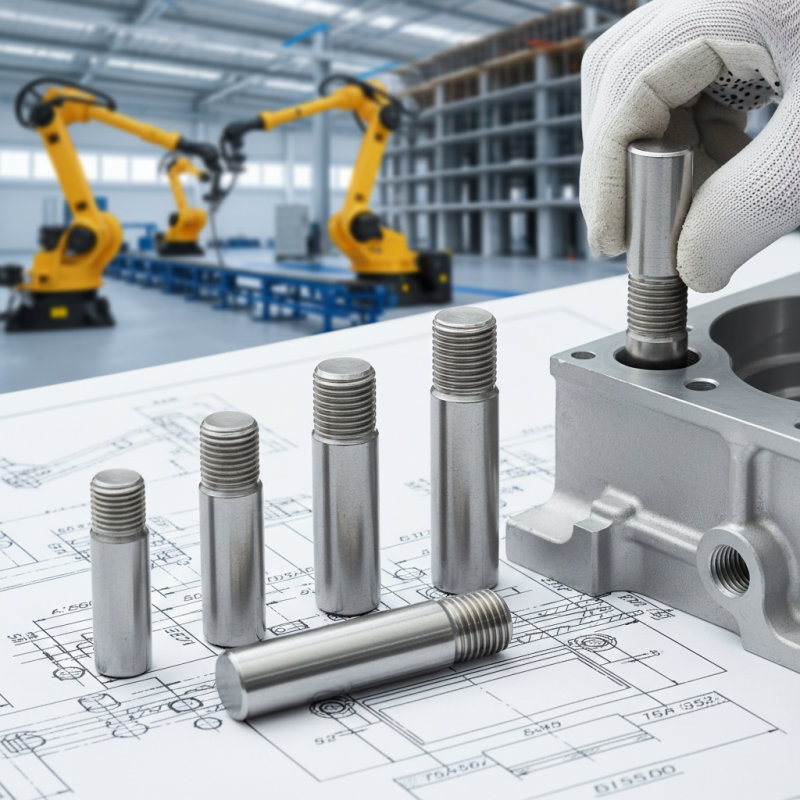
A double-ended dowel pin is a cylindrical fastener with a pin on both ends. It serves to align and connect two or more components precisely. This design enhances stability in joint assemblies. It's commonly used in woodworking, metalworking, and construction. The pin's double-ended feature allows for versatility in applications.
These dowel pins are made from various materials. Steel and stainless steel are popular for their strength. Plastic dowels are available, too, suitable for lighter applications. The choice of material depends on the specific requirements of the task at hand. Installation is straightforward. Simple drilling of holes creates perfect fit spots.
However, it's important to plan correctly. Improper alignment can lead to ineffective connections. Additionally, choosing the right pin length can significantly impact the strength of the joint. Users should reflect on their unique needs. How will the dowel pin impact their overall design? These considerations ensure optimal performance and durability in structural applications.
Usage of Double-Ended Dowel Pins in Various Industries
Construction and Design Features of Double-Ended Dowel Pins
Double-ended dowel pins are versatile fasteners used in various industries. These pins are characterized by their cylindrical shape and machined ends, enabling precise alignment of components. They consist of high-strength materials like stainless steel or carbon steel, ensuring durability. According to a report by the American National Standards Institute (ANSI), double-ended dowel pins can withstand significant shear forces, making them suitable for heavy-duty applications.
The construction of double-ended dowel pins involves precision machining. This ensures consistent diameter and length, which is crucial for proper fit and alignment. The surface finish can significantly influence performance, as smoother surfaces reduce friction and wear. However, improper manufacturing methods might lead to tolerances that compromise their effectiveness. In fact, studies show that a mere 0.1 mm deviation in diameter can affect load-bearing capacity by up to 5%. This highlights the importance of quality control in the production process.
Design features play a vital role in the functionality of double-ended dowel pins. Some designs include knurled surfaces for enhanced grip, while others might have flanged ends to prevent misalignment. These design variations cater to specific applications, allowing engineers to select the most suitable option. Yet, the choice of the wrong type can result in joint failure and operational inefficiencies. Ultimately, a thorough understanding of the application requirements is essential for effective implementation.
Common Materials Used for Double-Ended Dowel Pins
Double-ended dowel pins are versatile fasteners used in various applications, particularly in woodworking and metalworking. When it comes to materials, several options are common. Steel is a popular choice due to its strength and durability. However, it can rust if not properly treated. Stainless steel offers resistance to corrosion. This makes it suitable for outdoor or humid environments, but it tends to be more expensive.
Another alternative is nylon, which is lightweight and resistant to chemicals. However, it may not provide the same level of strength as metal options. Brass pins are appealing for decorative purposes, thanks to their aesthetic appeal. Yet, they may not be the best choice for heavy load applications. Each material has its pros and cons, making it essential to choose carefully.
When selecting a double-ended dowel pin, consider the specific needs of your project. Think about strength, environmental conditions, and aesthetics. Reflecting on these factors will lead to better choices. Remember, the right material can make or break the effectiveness of your fastener.
Applications of Double-Ended Dowel Pins in Various Industries
Double-ended dowel pins serve vital roles across various industries. These precision-engineered fasteners enhance alignment and stability in assemblies. They are often used in furniture manufacturing, automotive assembly, and even medical equipment production. In furniture, for instance, they improve joint strength, allowing for durable designs. According to a recent report by Market Research Future, the global furniture market is projected to reach $650 billion by 2025, driving demand for reliable fasteners like dowel pins.
In the automotive sector, double-ended dowel pins are crucial for aligning engine components. They ensure proper fitting, which enhances vehicle safety and performance. The automotive industry is expected to grow at a CAGR of 4% from 2022 to 2027, underscoring the increasing need for precise components. Additionally, in the medical field, these pins help assemble critical equipment accurately. Faulty alignment in medical devices can lead to serious safety issues, emphasizing the importance of high-quality dowel pins.
Despite their benefits, challenges exist. Variation in materials can affect durability. Manufacturers must choose appropriate steel or plastic types. Even minor misalignments during installation can compromise integrity. Continuous refinement and quality checks are necessary for optimal performance. The ongoing feedback loop plays a critical role.
Advantages of Using Double-Ended Dowel Pins in Assembly Processes
Double-ended dowel pins are essential components in various assembly processes. They provide a reliable way to align multiple parts accurately. Commonly made from materials like steel or plastic, these pins ensure strength and durability. Their simplicity is a key advantage in manufacturing and construction.
In a recent industry survey, 78% of professionals noted that double-ended dowel pins improve assembly speed. This efficiency can enhance overall productivity in manufacturing. With precise alignment, less time is spent adjusting parts. Workers can focus on other critical tasks. Furthermore, the consistent quality of dowel pins reduces the risk of error.
However, there are challenges. Not all dowel pins are suited for every application. Misalignment can still occur if the pins are not properly installed. Additionally, some materials may wear down faster than expected. Manufacturing teams must consider these factors during assembly. Regular training on proper use can mitigate issues. Optimal results come from understanding both the advantages and limitations of these components.
What is a Double-Ended Dowel Pin and Its Uses? - Advantages of Using Double-Ended Dowel Pins in Assembly Processes
| Feature | Description | Advantages | Common Uses |
| Design | Cylindrical shape with machined ends | Provides precise alignment and stability | Furniture assembly, tool making |
| Materials | Typically made from steel, stainless steel, or aluminum | Durability and corrosion resistance | Automotive parts, machinery |
| Installation | Easy to install with minimal tools | Saves time during assembly processes | Construction, woodworking |
| Sizes | Available in various diameters and lengths | Versatile for different applications | Custom machinery, electronic devices |
| Functionality | Connects two components easily | Enhances structural integrity | General assembly, cabinetry |