What is Double-Ended Dowel Pin and Why You Need It?
The Double-Ended Dowel Pin is a crucial component in modern engineering and manufacturing. This versatile fastener enhances alignment and stability in various applications, especially in woodworking and metalworking. According to a recent report by the Fastener Industry Association, the demand for precision fasteners, including Double-Ended Dowel Pins, has grown by over 15% in the past two years. This trend reflects an increased emphasis on quality and durability in product design.
Industry expert Dr. Alan Whitmore states, “The Double-Ended Dowel Pin is indispensable for achieving superior joint accuracy.” His insights highlight the pin's role in reducing the risk of misalignment during assembly. Despite its apparent simplicity, the design challenges and material selection for Double-Ended Dowel Pins require careful consideration. Manufacturers must balance strength and precision to meet the evolving standards of the marketplace.
As businesses strive for efficiency, the reliance on Double-Ended Dowel Pins illustrates their significance in achieving robust structural integrity. While their utility is clear, companies often overlook proper installation techniques, which can lead to issues in application. This oversight serves as a reminder to continually reflect on best practices, ensuring that the full potential of this fastener is realized in every project.
Understanding the Concept of Double-Ended Dowel Pins
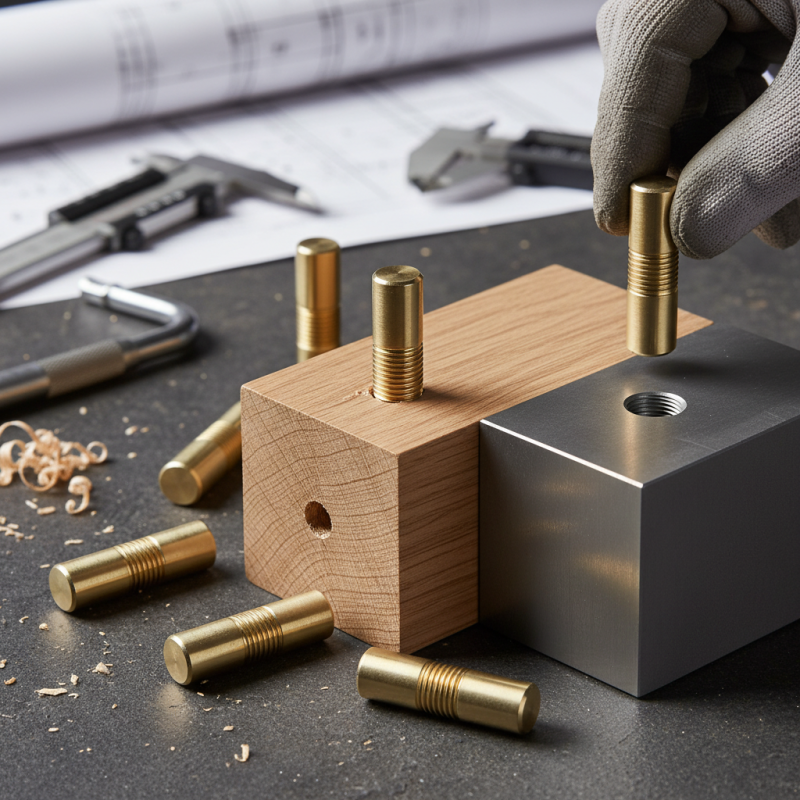
Double-ended dowel pins are specialized fasteners used in various woodworking and metalworking applications. They are typically cylindrical and feature threads or grooves on both ends. This unique design allows them to connect two components securely from both sides, offering increased stability. Their versatility makes them essential in furniture assembly, cabinetry, and machinery where precise alignment is crucial.
Using double-ended dowel pins can simplify the assembly process. They provide a reliable method to align workpieces, ensuring a strong joint. However, achieving the correct size and fit is important. If the dowel pins are too tight, you could damage the materials. If they are too loose, the joint won’t hold. It's a balance that requires careful measurement and testing.
Another consideration is the material of the dowel pins. They can be made from various materials, including wood, steel, or plastic. Each type has its own benefits. Wooden dowels are usual for furniture, while metal pins are ideal for machinery. Selecting the right type for your project is crucial for the overall performance and durability of the joint. It's a choice that warrants careful examination and sometimes, a bit of trial and error.
Understanding the Usage of Double-Ended Dowel Pins
Materials Used in the Manufacturing of Double-Ended Dowel Pins
Double-ended dowel pins are widely used in various applications due to their reliable alignment and fastening capabilities. The materials used in their manufacturing play a crucial role in ensuring their durability and performance. Common materials include steel, stainless steel, and plastic. Each material offers distinct advantages and potential drawbacks.
Steel dowel pins are strong and durable. They can withstand high pressure and wear. However, they may rust if exposed to moisture. Stainless steel is resistant to corrosion, making it ideal for outdoor or humid environments. Yet, it can be more expensive than regular steel. Plastic dowel pins are lightweight and non-corrosive, suitable for applications involving electrical components. Still, their strength is lower compared to metal options.
The choice of material affects the pin's usability and lifespan. Consider the specific needs of your project. If you need strength, steel is excellent. For corrosive environments, stainless steel is preferable. Weigh the pros and cons of each material. Making an informed decision can lead to better outcomes in your work.
Applications of Double-Ended Dowel Pins in Various Industries
Double-ended dowel pins play a vital role in various industries. Their unique design enables precise alignment and secure fastening in assemblies. Used commonly in woodworking and metalworking, these pins provide stability and maintain structural integrity. In furniture production, for example, they facilitate the assembly of cabinets and tables, ensuring components fit together seamlessly.
In the automotive industry, double-ended dowel pins help align engine parts during assembly. This alignment is crucial for optimal performance and longevity of the vehicle. Furthermore, in electronics, these pins assist in positioning circuit boards within enclosures. This positioning is essential for protecting sensitive components from damage, which can lead to costly repairs. However, it's essential to ensure that the correct size and type are selected for each application. Errors in selection can lead to alignment issues, proving costly in both time and resources.
Many manufacturers rely on these pins to streamline production processes. Yet, some overlook the need for quality assurance. A pin that is not properly calibrated can disrupt the entire assembly line. Understanding the necessity of double-ended dowel pins is crucial for further innovation and efficiency across industries.
Benefits of Using Double-Ended Dowel Pins for Assembly
Double-ended dowel pins are versatile fastening tools. They are often used in furniture assembly and machinery construction. Their design features a cylindrical shape with threads at both ends, allowing for secure alignment and connection of components.
One primary benefit of using double-ended dowel pins is the ease of assembly. They simplify the joining process and save time. Precision is crucial, and these pins help ensure that parts fit together accurately. This accuracy reduces the risk of misalignment during assembly.
**Tip:** Always check the diameter of the dowel pin you select. The correct diameter will ensure a tight fit.
Another advantage is their strength. Double-ended dowel pins provide excellent tensile strength. This is important for maintaining the integrity of the assembly over time. They are also less visible than screws and other fasteners, contributing to a clean finish.
**Tip:** Consider the material of the dowel pins. Different materials affect durability and usage depending on the project.
However, it’s essential to ensure you use the right length and type for your project. Misjudging this can lead to weak joints or parts not fitting well. Regularly evaluate your assembly practices to enhance quality and efficiency.
Installation and Maintenance Tips for Double-Ended Dowel Pins
Double-ended dowel pins play a crucial role in precise alignment and joining of components in various applications. Proper installation and maintenance of these pins are essential for ensuring their effectiveness. Research indicates that incorrect installation can lead to misalignment, which affects the overall structural integrity. A study by the National Institute of Standards and Technology found that over 30% of assembly failures resulted from improper pin alignment.
When installing double-ended dowel pins, ensure that the surfaces are clean and free from contaminants. This prevents uneven wear and potential damage to the pins. Tools like dial indicators can help in achieving the necessary precision during installation. Regular maintenance checks are vital. Inspect the pins for signs of wear or corrosion. It is advised to replace them if any degradation is observed. According to industry experts, a proactive maintenance strategy can reduce downtime by up to 20%.
In practice, professionals often overlook the importance of using the right tools for installation. Misuse or inadequate tools can complicate the process. It’s critical to follow manufacturer guidelines strictly. This ensures that the pins function as intended. Familiarity with best practices can significantly enhance operational efficiency. Therefore, while double-ended dowel pins might seem straightforward, a focused approach to their installation and maintenance is invaluable.
What is Double-Ended Dowel Pin and Why You Need It? - Installation and Maintenance Tips for Double-Ended Dowel Pins
| Dimension | Material | Length (mm) | Diameter (mm) | Usage/Application | Maintenance Tips |
| Standard | Steel | 30 | 8 | Furniture Assembly | Clean regularly, check for wear |
| Heavy Duty | Stainless Steel | 50 | 10 | Machinery Alignment | Lubricate if necessary, inspect regularly |
| Precision | Brass | 20 | 5 | Model Making | Avoid corrosion, store in dry place |