Discover MGO Structural Insulated Panels for Your Construction Needs?
In the realm of modern construction, "MGO Structural Insulated Panels" are becoming increasingly popular. These panels offer innovative solutions for energy efficiency and durability. John Smith, a leading expert in sustainable building materials, states, “MGO Structural Insulated Panels are revolutionizing how we think about insulation.” This highlights their importance in today's construction landscape.
MGO panels combine magnesium oxide with insulation, resulting in superior performance. They are fire-resistant, moisture-resistant, and eco-friendly. You can see their benefits in residential and commercial projects alike. Architects and builders often turn to these panels for their flexibility and strength. However, not all professionals are familiar with their full potential.
Adopting MGO Structural Insulated Panels can pose challenges. For instance, installation requires specific knowledge and skills. Some construction teams may struggle to grasp the unique properties of these materials. This learning curve can lead to mistakes. Therefore, continuous education and training are crucial in this field. Overall, understanding MGO panels can be a game-changer for your construction needs.
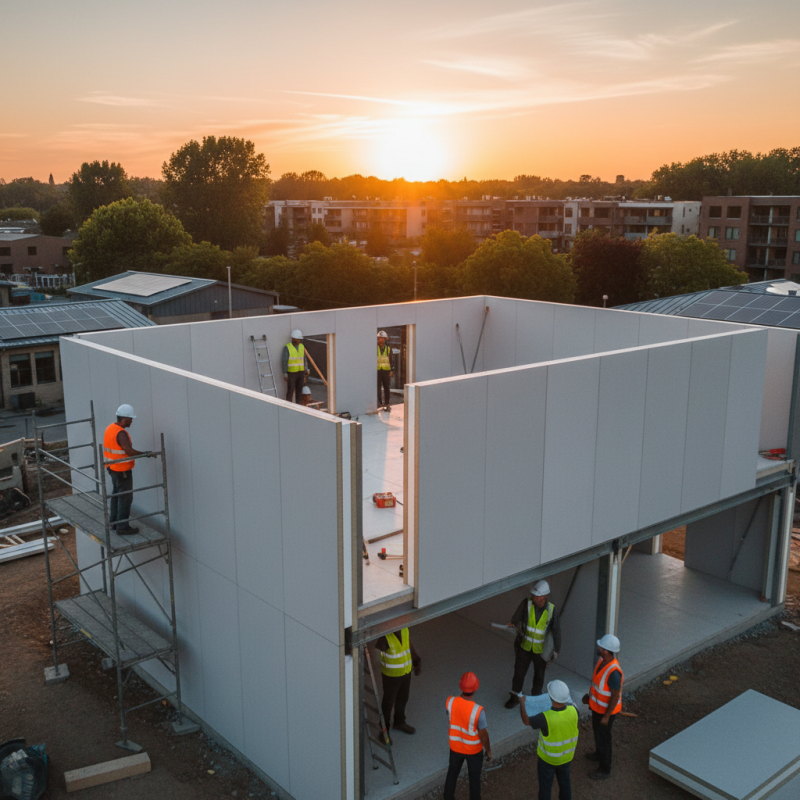
Understanding MGO Structural Insulated Panels: An Overview
MGO Structural Insulated Panels (SIPs) are emerging as a game changer in the construction sector. These panels utilize magnesium oxide as the primary material, offering a lightweight yet durable solution. According to data from the International Association of Structural Insulated Panels, MGO SIPs can enhance energy efficiency by up to 40%. This makes them an attractive choice for builders aiming for sustainable construction.
Constructed with a core of rigid insulation, MGO SIPs provide excellent thermal performance. Reports indicate that structures using these panels have shown a reduction in energy costs. However, it is essential to recognize that not all installations adhere to optimal practices. Some builders might skip critical steps, potentially compromising effectiveness. The manufacturing process can also introduce variability, impacting the overall reliability of the panels.
While MGO SIPs provide benefits, challenges remain. Moisture resistance is a crucial factor; improper installation can lead to issues. Furthermore, education on best practices is vital for new builders. As more data emerges, stakeholders may need to adjust their approaches. The ongoing evaluation of MGO SIPs can help in understanding their role in modern construction.
Discover MGO Structural Insulated Panels for Your Construction Needs
| Dimension | Value |
| Material Type | Magnesium Oxide (MGO) |
| Panel Thickness | 4-8 inches |
| R-Value | 13-28 (depending on thickness) |
| Fire Resistance | Class A (1 hour) |
| Weight | 40-60 lbs per panel |
| Sound Insulation | STC Rating: 50+ |
| Eco-Friendly Rating | Low VOC and Recyclable |
Key Features and Benefits of MGO Structural Insulated Panels
MGO structural insulated panels offer a robust solution for modern construction needs. These panels are built using magnesium oxide, which enhances their durability. They provide excellent insulation and fire resistance, making them ideal for various climates. The lightweight nature of MGO panels simplifies handling and installation. This aspect can significantly reduce labor costs.
In addition to their practicality, MGO panels are environmentally friendly. They contribute to energy efficiency, reducing long-term utility costs. However, it's important to consider the balance between cost and material sourcing. While MGO panels are effective, some projects may find other materials more suitable. Every construction project presents unique challenges, and open-mindedness is key. Engaging with diverse construction technologies can lead to better outcomes.
Applications of MGO Structural Insulated Panels in Construction
MGO Structural Insulated Panels (SIPs) offer significant advantages for modern construction. These panels, made from magnesium oxide, are increasingly popular in various applications. They provide excellent thermal insulation and are resistant to fire, mold, and moisture. According to a report by the U.S. Department of Energy, insulation can reduce energy consumption by as much as 20%. This data supports the efficacy of MGO panels in energy-efficient building practices.
In residential projects, MGO SIPs are used for walls and roofs, enhancing durability and energy efficiency. They are lightweight yet strong, allowing for easier handling and faster installation. A study from the National Association of Home Builders indicates that homes built with SIPs require up to 50% less energy for heating and cooling. However, installation can be challenging for inexperienced contractors, leading to potential issues if not done correctly.
Commercial buildings also benefit from MGO panels. They meet strict building codes and are cost-effective over time. The sustainability factor enhances their appeal, as they are made from resources with a lower environmental impact. Yet, some builders remain skeptical about long-term performance. Ongoing research is essential to address these concerns and establish best practices.
Installation Process for MGO Structural Insulated Panels
The installation of MGO Structural Insulated Panels (SIPs) requires careful preparation and precision. Begin by ensuring your site is clean and free from debris. Proper alignment of panels is crucial. Mistakes at this stage can lead to structural issues later. Measure twice and cut once. It’s essential to use sharp tools for clean cuts.
When positioning the panels, have a team ready. Cooperation can speed up the process and reduce errors. Proper sealing between joints is vital to prevent air leaks. Use quality sealants that withstand the test of time. This attention to detail can enhance the durability of the structure.
Tips: Always double-check measurements. A simple oversight can complicate the installation phase. Keep a checklist handy to track each step. This ensures nothing is overlooked. Remember, the right preparation can save time and resources in the long run.
Comparing MGO Panels with Traditional Building Materials
When comparing MGO (magnesium oxide) panels to traditional building materials, the advantages are clear. MGO panels are lightweight yet strong, providing structural integrity without the heavy burden of materials like concrete. According to a 2022 report by the Construction Materials Research Institute, MGO panels can reduce weight by up to 30% compared to traditional options. This reduction can lead to lower transportation and handling costs on job sites.
MGO panels also stand out in environmental sustainability. They are manufactured using eco-friendly processes and contain no harmful substances. A study published in the Journal of Green Building found that MGO panels have a lower carbon footprint than wood, steel, and concrete, further supporting sustainable construction efforts. However, challenges remain. Some contractors may be unfamiliar with MGO technology, which can slow adoption. It is crucial to provide adequate training and resources for those in the construction industry.
However, MGO panels are not without their considerations. Their performance can vary based on application and installation methods. Some reports suggest potential issues with moisture if not properly sealed. This aspect warrants attention and further research. The longer-term performance of MGO compared to established materials needs more comprehensive studies.