How to Choose the Right Water Cooler Evaporator?
Choosing the right Water Cooler Evaporator is not simply a matter of matching horsepower. The component must suit water temperature, flow rate, ambient conditions, refrigerant, and available space. A small mismatch can create weak cooling, excessive frost, unstable pressure, or unnecessary energy use. Picture a crowded beverage station, warm water entering continuously, and a compressor cycling every few minutes. The evaporator carries that burden.
Refrigeration specialist Andy Pearson has emphasized a practical principle: “The evaporator must be selected around the real cooling duty, not the catalog headline.” That advice deserves attention. Product labels can look impressive, yet laboratory capacity may differ from field performance. Engineers should check heat-transfer area, coil material, circuit design, pressure drop, and compatibility with the complete refrigeration system. Stainless steel often supports hygiene and durability, while copper may provide excellent thermal conductivity. The best choice depends on the application.
Start with measured data. Record inlet temperature, outlet temperature, water flow, room temperature, and daily usage. Then compare those figures with the manufacturer’s tested conditions. Do not guess.
There is room for uncertainty. Actual demand changes throughout the day. Maintenance also affects performance. A dirty coil, restricted airflow, or poor insulation can make a suitable Water Cooler Evaporator appear defective. This guide examines those variables carefully, helping buyers balance cooling speed, reliability, energy consumption, installation limits, and long-term service needs. A perfect choice is rare. A well-documented choice is far more dependable.
Understanding the Role of an Evaporator in a Water Cooler
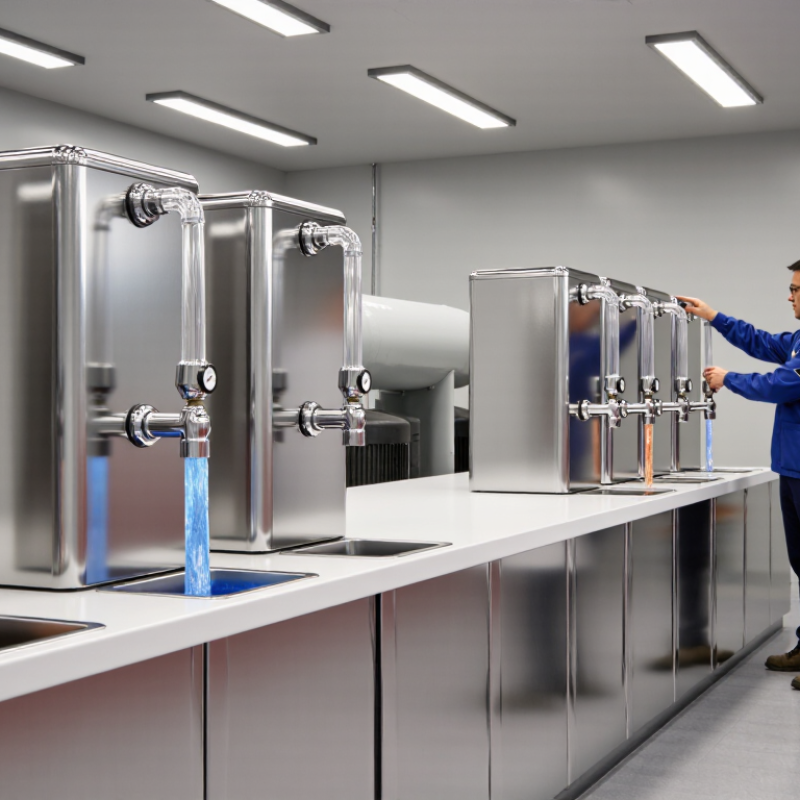
An evaporator is the working heart of a water cooler’s refrigeration system. It absorbs heat from the stored water through a cold surface or cooling coil. Refrigerant inside the evaporator changes from liquid to vapor as it collects this heat. The water becomes colder, while the refrigerant moves onward through the cycle. Without efficient heat transfer, even a powerful compressor may deliver disappointing cooling.
Choosing the right evaporator requires more than checking its physical size. Consider cooling capacity, water temperature, ambient conditions, refrigerant compatibility, and available installation space. A coil with too little surface area may cool slowly during busy periods. A larger unit is not automatically better. It can increase cost, restrict airflow, or create uneven temperatures inside the tank. Practical measurements matter.
Material selection also deserves careful attention. The evaporator should resist corrosion and remain suitable for contact with the cooling system’s components. Technicians should inspect joints, insulation, frost patterns, and temperature readings during operation. Strange cycling often indicates poor airflow, incorrect refrigerant charge, or a mismatched evaporator. These signs should not be ignored. A common mistake is choosing by capacity alone, while overlooking maintenance access. That decision may look efficient on paper. It can become frustrating during service. Reliable selection combines manufacturer data, field conditions, and testing after installation. Temperature stability matters more than a quick first impression.
How to Choose the Right Water Cooler Evaporator?
The refrigerant’s normal boiling point is an important screening factor when selecting an evaporator. A lower boiling point can support lower evaporating temperatures, but the final evaporator design must also consider cooling capacity, operating pressure, heat-transfer area, material compatibility, and safety requirements.
Reference values shown are approximate normal boiling points at 1 atmosphere. Actual evaporator operating temperatures depend on system pressure, load, superheat, and equipment design.
Identifying Key Evaporator Types and Their Operating Differences
Choosing the right water cooler evaporator starts with understanding how refrigerant and water exchange heat. In a direct-expansion evaporator, refrigerant boils inside tubes while chilled water flows around them. This design usually responds quickly to changing loads and needs a smaller refrigerant charge. However, poor control can create local freezing. That detail matters.
Flooded evaporators place liquid refrigerant around the tubes, with water flowing inside them. Their larger heat-transfer surface often supports stable operation and strong part-load efficiency. They may also require more refrigerant, careful oil management, and reliable liquid-level control.
Falling-film designs reduce refrigerant inventory by distributing liquid across tube surfaces. They can perform efficiently, but uneven wetting may weaken heat transfer during low-load operation.
Brazed-plate evaporators are compact and provide close temperature approaches, making them useful where installation space is limited. Their narrow passages demand clean water and effective filtration. A small amount of fouling can noticeably increase pressure drop. AHRI Standard 550/590 evaluates water-chiller performance near standard conditions, including 44°F leaving chilled water and 85°F entering condenser water. Real projects rarely stay there. The U.S. Department of Energy also emphasizes part-load performance because cooling systems spend substantial operating time below peak demand. Compare evaporator data at design and reduced loads, then check freeze protection, water quality, service access, and control stability. Selecting only by maximum capacity is an easy mistake.
Matching Evaporator Capacity to Cooling Load and Water Demand
How to Choose the Right Water Cooler Evaporator?
Matching evaporator capacity to cooling load and water demand starts with measured data. Estimate heat from water flow, inlet temperature, outlet temperature, and operating hours. A useful calculation is Q = 4.186 × flow rate × temperature difference. Use flow in kilograms per second and temperature difference in Celsius.
Do not size only for average demand. Peak filling periods can overload an evaporator quickly. Small mismatch, large trouble. Check the highest hourly water demand and the required pull-down time. A buffer tank may reduce sudden load changes, but it does not replace adequate evaporator capacity. Allow around 10–15% extra capacity for heat gains, fouling, and uncertain measurements. Excessive oversizing can create short cycling and unstable temperatures.
Site conditions also affect selection. Warm inlet water, high room temperature, restricted airflow, and mineral buildup reduce practical performance. Water quality deserves attention. Hard water can form deposits on heat-transfer surfaces, lowering efficiency over time. During commissioning, compare actual flow and temperatures with the design values. One common sizing mistake is trusting a nominal flow rate without checking real usage. Re-measure after installation. Demand often changes with seasons, production schedules, or user habits. A slightly conservative design is useful, but unexplained assumptions should be recorded and reviewed.