How to Choose the Right Surge Protective Device for Your Needs?
Choosing the right Surge Protective Device is crucial for safeguarding your electronic equipment. In today’s tech-driven world, power surges can happen unexpectedly. These surges can damage or destroy sensitive devices. A surge protective device helps mitigate these risks effectively.
Understanding your needs is the first step. There are various models available, each with specific features. High-end devices may offer advanced protection, but they can be more expensive. It's essential to consider your budget and the value of the equipment you want to protect. However, sometimes it’s tempting to choose the cheapest option. This might not provide adequate protection, leading to possible financial loss later.
Moreover, the installation process shouldn't be overlooked. Some devices come with complex setups. If you're unsure, consulting an expert may save you time and trouble. The reliability of a Surge Protective Device depends on its specifications. Researching brands and reviews can help guide your decision. Remember, investing in quality protection can prevent unforeseen damage to your devices.
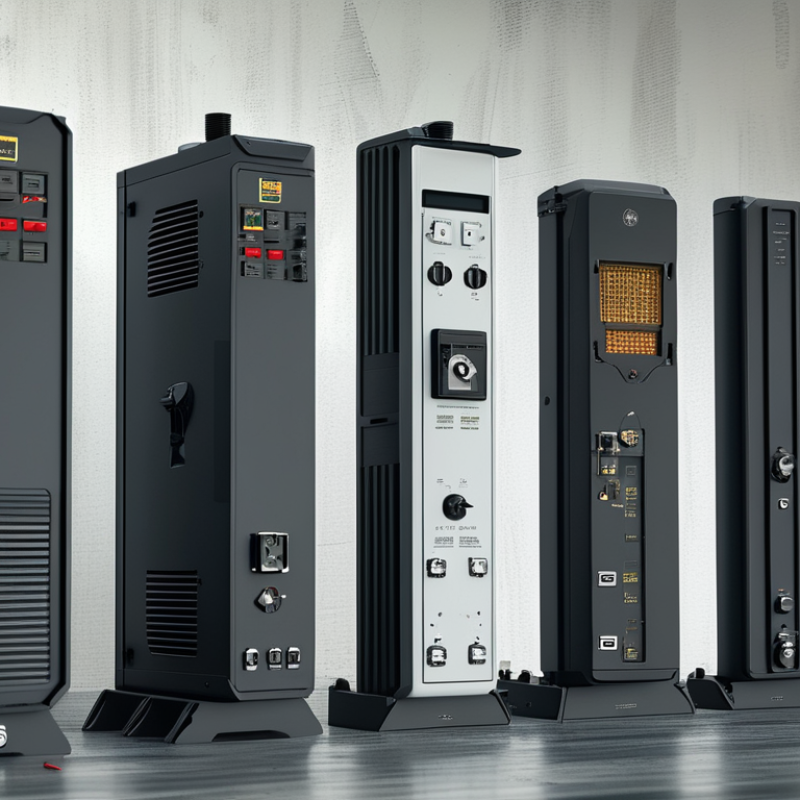
Understanding Surge Protective Devices: An Overview of Types and Functions
Surge protective devices (SPDs) are vital for protecting your electronics from power surges. These surges can stem from lightning strikes, utility grid switching, or even sudden changes in power demand. Understanding the types and functions of SPDs can help you make an informed choice.
There are several categories of SPDs, which are designed for different applications. Type 1 devices are installed at the service entrance, defending against external surges. According to a 2021 report by the Institute of Electrical and Electronics Engineers (IEEE), these devices account for nearly 30% of surge protection installations.
Type 2 devices, commonly used indoors, protect against residual surges after the initial strike. They are installed at the main electrical panel or branch circuits.
The effectiveness of SPDs is quantified in terms of their clamping voltage and response time. The lower the clamping voltage, the better the protection offered. A study from the National Fire Protection Association (NFPA) reveals that effective surge protection can reduce damage costs by up to 60%. However, many users overlook maintenance and replacement schedules, potentially leading to diminished protection over time.
Making a periodic review of your surge protection strategy is essential, as failure to do so can result in costly damage.
Evaluating Surge Rating: How kA and Voltage Ratings Impact Your Choice
Selecting the right surge protective device (SPD) requires careful consideration of surge ratings. Two key metrics are kA (kiloamperes) and voltage ratings. Understanding these ratings can significantly influence your purchase choice.
A higher kA rating indicates that the SPD can handle larger surge currents. For example, a device rated for 40 kA can withstand more severe surges than one rated for 10 kA. This is crucial for homes in storm-prone areas. However, a higher kA rating often comes with a higher price tag. Balancing cost and protection level is essential but sometimes tricky.
Voltage ratings indicate the maximum voltage the device can handle without damage. An SPD with a higher voltage rating is generally more versatile, allowing for greater compatibility with various systems. However, mismatching voltage ratings could lead to device failure, creating hazardous situations.
It's easy to overlook this detail, especially under pressure to purchase quickly. Investing time to understand these ratings is wise, as it can prevent future frustrations and enhance the longevity of your electrical systems.
Identifying Application Needs: Residential vs. Commercial Surge Protection
Surge protective devices (SPDs) play vital roles in shielding electrical equipment from power surges. The choice between residential and commercial surge protection is crucial. According to a report from the IEEE, over 60% of power quality issues stem from surges. These surges can jeopardize sensitive electronic devices in both settings, but their implications differ significantly.
In a residential setting, circuits typically handle less power than commercial installations. Domestic appliances, such as refrigerators or computers, are increasingly sophisticated. A surge can easily damage these devices, leading to costly repairs. The National Fire Protection Association (NFPA) highlights that improper surge protection in homes can double the risk of electrical fires. Homeowners should consider SPDs that cater specifically to residential needs, often under 50kA.
For commercial properties, surge protection becomes more complex. Offices often house numerous sensitive devices, including servers and networking equipment. An SPD designed for commercial use needs to withstand higher surge currents, often exceeding 100kA. These systems must integrate seamlessly with existing infrastructure. Yet, many businesses still overlook proper surge protection, risking both financial and operational setbacks. It's essential to assess your commercial space carefully to identify the right protection level for your critical assets.
Assessing Installation Methods: Hardwired vs. Plug-in Surge Protectors
Choosing the right surge protective device requires careful assessment of installation methods. The two primary options are hardwired and plug-in surge protectors. Each has its unique benefits and drawbacks.
Hardwired surge protectors offer a direct connection to the electrical system. This often results in a more stable and reliable protection level. A study by the Electric Power Research Institute showed that hardwired devices can reduce equipment damage by up to 50%. However, installation can be complex. It usually requires an electrician, increasing costs and time.
On the other hand, plug-in surge protectors provide greater flexibility. They are easy to install and can be moved with minimal effort. According to the National Electrical Manufacturers Association, plug-in units are better suited for personal electronics. They can protect devices like computers and TVs effectively. Yet, they may not provide adequate protection for an entire home. Users need to weigh the risks and benefits based on their specific needs.
How to Choose the Right Surge Protective Device for Your Needs?
| Feature | Hardwired Surge Protectors | Plug-in Surge Protectors |
| Installation Method | Requires professional installation | Easy DIY installation |
| Protection Capacity | Higher capacity for whole-home protection | Limited to specific devices |
| Cost | Typically more expensive due to installation | Generally more affordable |
| Maintenance | Low maintenance, part of home wiring | May need replacing after a surge |
| Portability | Not portable | Portable, can be moved easily |
| Surge Capacity Rating | Varies, but typically higher (e.g., 40,000+ joules) | Varies, commonly around 1,500 - 3,000 joules |
Considering Industry Standards: NEC, UL, and Their Impact on Device Selection
When selecting a surge protective device (SPD), understanding industry standards like the National Electrical Code (NEC) and Underwriters Laboratories (UL) is crucial. These standards dictate essential safety requirements and performance benchmarks. Following NEC guidelines ensures electrical installations minimize surge damage risks. UL certification provides assurance that a device has undergone rigorous testing for safety and reliability.
Most professionals recommend that SPDs meet or exceed UL 1449 standards. According to a report by the Electrical Safety Foundation International, improper SPD selection can lead to equipment failure. Over 80% of businesses experience electrical surges leading to costly downtime. Devices that don’t adhere to established standards may lack necessary protection. It's vital to consult current NEC guidelines and UL standards, as technology and safety recommendations evolve.
However, compliance doesn't guarantee complete protection. Variations in environmental conditions can affect SPD performance. Users must consider their specific electrical systems' needs and review installation locations. Inadequate product knowledge can lead to oversights, resulting in expensive repairs. Striking a balance between cost and protection level is challenging yet essential. When evaluating potential devices, user experience is invaluable but often overlooked.
Surge Protective Device Selection Based on Industry Standards
This bar chart illustrates the importance of various factors in selecting a surge protective device (SPD), based on industry standards such as NEC and UL. Each factor is rated on a scale from 1 to 10, reflecting its significance to ensure optimal protection and performance.