How to Choose the Right Rivet Nut for Your Project?
When choosing the right Rivet Nut for your project, it’s essential to consider various factors. According to a recent report from the Fastener Industry Alliance, the demand for rivet nuts has increased by 25% over the past three years. This growth highlights their importance in numerous applications, from automotive to aerospace.
Expert Sam Thompson, a leading figure in fastening technology, emphasizes, “Selecting the right Rivet Nut can make or break the integrity of your structure.” His insight reflects how critical it is to match your project’s specific needs with the appropriate rivet nut type. Understanding material, load requirements, and environmental factors can be complex and may lead to mistakes.
Despite the increasing availability of options, many still overlook vital specifications. Misalignment in choosing can cause failures and delays. It's crucial to engage with experts and thoroughly assess your project's requirements. Taking the time to evaluate your options now can result in significant long-term benefits.
Understanding Rivet Nuts: Definition and Applications
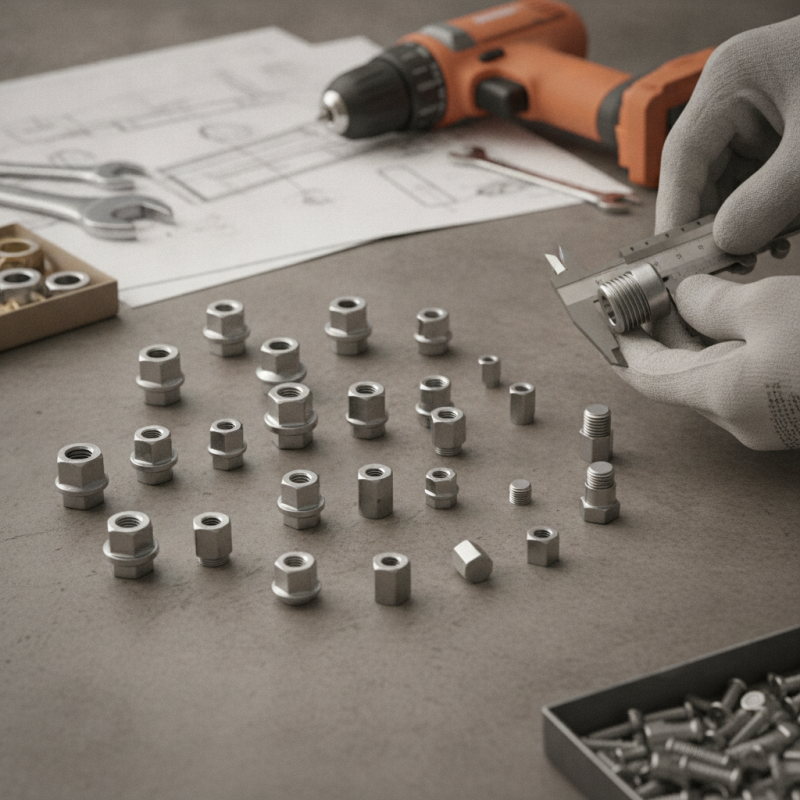
Rivet nuts, often called blind rivet nuts, are essential fasteners. They provide strong and secure connections in various materials. These threaded inserts can be used in metal, plastic, and even wood. Their design allows for easy installation in blind holes, making them versatile for numerous applications. From automotive to furniture assembly, rivet nuts are a staple in manufacturing and DIY projects.
Choosing the right rivet nut requires understanding its specifications. Factors such as material, size, and load-bearing capacity are crucial. Aluminum, steel, and brass are common materials. Each material has unique properties that affect durability and weight. For instance, aluminum is lightweight but may not handle heavy loads as well as steel. Consider the environment too. Corrosion resistance might be necessary for outdoor projects.
It's important to reflect on your needs before selecting a rivet nut. Often, people overlook the importance of proper installation techniques. A poorly installed rivet nut can lead to failures. Always test different options to see what works best for your project. Learning through experience can lead to better choices in the future.
Identifying Key Factors for Selecting Rivet Nuts
Choosing the right rivet nut can significantly impact the success of your project. Start by considering the material you need. Metal rivet nuts offer strength and durability, while plastic options may be suitable for lightweight applications. The choice depends on your specific needs and environmental conditions.
Tips: Always test the rivet nut under expected load conditions. This can prevent unexpected failures later on.
Next, think about the size and thread. Different projects require specific dimensions. Ensure compatibility with your tools and materials. Oversized rivet nuts may not fit. Undersized ones may not hold securely.
Tips: Measure accurately before purchasing. Consider using a caliper for precision.
Lastly, assess the installation method. Some rivet nuts require tools for proper installation. Others may be easier to use but less durable. Choosing the right installation technique can make a big difference in your project's outcome.
Tips: Review installation guides or tutorials. Learning from experts can save time and reduce mistakes.
Types of Rivet Nuts: A Comparative Overview
When selecting a rivet nut, it’s essential to understand the different types available. Rivet nuts, or blind nuts, come in various designs and materials. Common types include threaded, non-threaded, steel, aluminum, and plastic varieties. Each type serves specific purposes, and their performance can differ based on the application.
Threaded rivet nuts are popular for their strong grip. They provide a secure fastening without needing access to the back side. On the other hand, non-threaded options may be lighter but offer less holding strength. Aluminum rivet nuts are resistant to corrosion, making them ideal for outdoor projects. Plastic options, while lightweight, are best suited for low-stress applications.
Tips: Always consider the material compatibility for your project. For automotive uses, steel may be more reliable due to its strength. Ensure the size of the rivet nut matches your application needs. Mismatched sizes can lead to structural failures. Test different types if you're unsure which works best. Observing their performance in real conditions can provide valuable insights.
How to Choose the Right Rivet Nut for Your Project? - Types of Rivet Nuts: A Comparative Overview
| Rivet Nut Type | Material | Grip Range (mm) | Thread Size (Inches) | Tensile Strength (kg) | Common Applications |
| Standard Rivet Nut | Steel | 2 - 5 | 1/4" | 100 | Automotive, Industrial Equipment |
| Blind Rivet Nut | Aluminum | 1.5 - 4 | M6 | 80 | Sheet Metal, Appliance Manufacturing |
| Stacked Rivet Nut | Stainless Steel | 3 - 6 | 1/2" | 120 | Marine Applications, Outdoor Equipment |
| High-Strength Rivet Nut | Carbon Steel | 4 - 8 | M8 | 150 | Heavy Machinery, Construction |
| Plastic Rivet Nut | Plastic | 1 - 3 | M4 | 50 | Electronics, Lightweight Applications |
Material Considerations for Rivet Nut Selection
When selecting a rivet nut, material choice is crucial. Different materials can impact strength, durability, and corrosion resistance. For example, aluminum rivet nuts are lightweight and resistant to corrosion, making them ideal for applications in aviation or automotive industries. However, they may not support heavy loads effectively. Steel rivet nuts offer durability and high strength, suitable for structural applications. They can resist deformation under heavy stress but may require additional coatings to prevent rust.
Consider the environment where the rivet nuts will be used. Stainless steel is often chosen for its excellent resistance to corrosion, making it perfect for marine or outdoor projects. However, it is heavier and pricier. Plastic rivet nuts are a lightweight alternative. They exhibit good resistance against chemicals and moisture. Yet, they cannot withstand high temperatures or heavy loads.
The choice of material should also align with project-specific requirements. A mismatch might lead to failures or excessive wear. Careful consideration of each material’s properties helps in achieving long-lasting results. Remember to reflect on the service conditions and the mechanical properties needed for your application. Balancing these factors will ensure that your rivet nuts are appropriate for the job.
Installation Techniques and Tools for Rivet Nuts
When it comes to installing rivet nuts, the right technique and tools can make a significant difference. A manual rivet nut tool is an excellent choice for small projects. These hand tools are easy to use, lightweight, and inexpensive. They require some physical effort but offer good control for precise installation. Ensure the rivet nut is seated properly before applying pressure to avoid misalignment.
For larger projects or multiple installations, consider a pneumatic or electric rivet nut gun. These tools streamline the process, allowing faster and more consistent application. However, they also come with a higher learning curve. Reading the manual thoroughly can help avoid common mistakes, such as using incorrect pressure settings or mismatching the rivet nut size.
Don't forget to prepare the base material. Drilling accurate holes is essential. If the hole is too big, the rivet nut may not grip firmly. Conversely, a hole that's too small can cause deformation. It’s helpful to practice on scrap material first. Having the proper preparation and tools makes a notable difference in the overall outcome of your project.