How to Choose the Right Packing Machine for Your Needs?
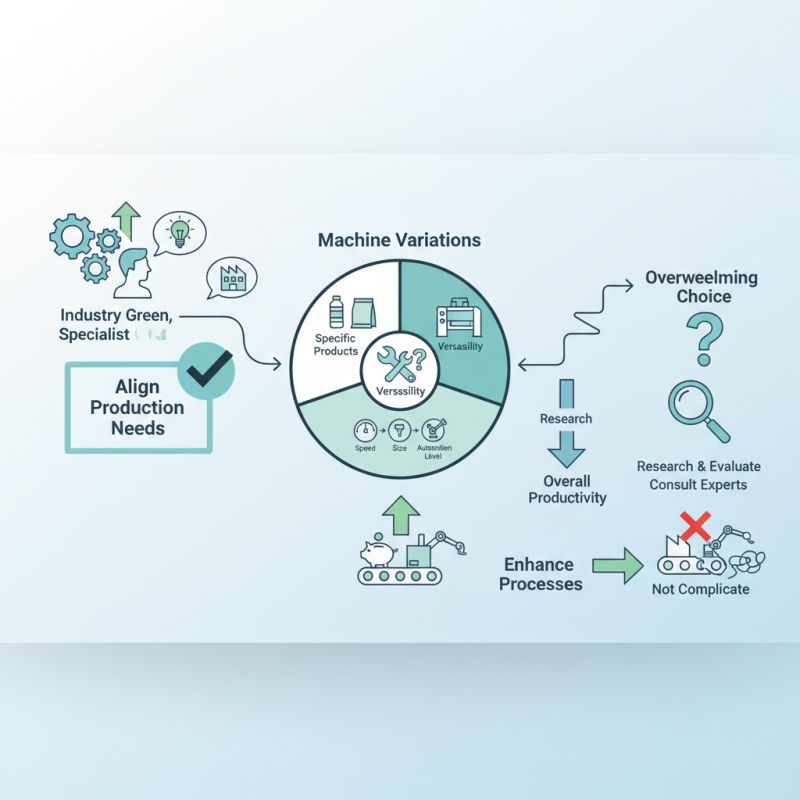
When selecting a Packing machine, industry expertise is crucial. David Green, a renowned packing machine specialist, emphasizes, "The right equipment can transform your efficiency." Search for options that align with your production needs.
Packing machines vary in design and capability. Some are suited for specific products, while others offer versatility. Consider factors like speed, size, and automation level. Each detail impacts your overall productivity. Assessing machine features allows for informed decisions.
Making a choice can be overwhelming. Many companies struggle to find the best fit. Brands often exaggerate capabilities. Take time to research, evaluate, and consult experts. Your investment in a packing machine should enhance your processes, not complicate them.
Understanding Your Packaging Needs: Factors to Consider
Choosing the right packing machine requires a deep understanding of your unique packaging needs. Consider the types of products you need to package. Are they fragile, bulky, or perishable? Each product type may require different handling and packaging techniques. Evaluate your production volume as well. High-output operations may benefit from advanced machinery, while smaller businesses might prefer simpler solutions.
When assessing your needs, focus on the specific features of each packing machine. Look for versatility in pack styles and sizes. Does the machine allow for adjustments? This flexibility can save you time and effort when changing product lines. Pay attention to the machine's speed and efficiency, too. A slower machine might suffice for a small operation. However, speed becomes crucial in larger settings.
Tips: Always think about ease of operation. Complexity can lead to increased downtime. Monitor maintenance requirements as well; simpler machines often require less upkeep. Reach out to professionals or industry experts for their insights. Their experience can provide invaluable guidance in choosing the right machine.
Types of Packing Machines: Pros and Cons of Each
When selecting a packing machine, understanding the various types available is essential. Manual packing machines offer affordability and simplicity. They are great for small businesses or low-volume tasks. However, this type requires a lot of labor and may lead to inconsistent packing quality. It also consumes time, which can affect productivity.
Automatic packing machines, on the other hand, boost efficiency. They handle large volumes quickly. This type reduces human error and provides consistent results. However, the upfront investment can be significant. Maintenance may also be more complex. Semi-automatic machines strike a balance, enhancing speed while still relying on some manual input. They carry a moderate cost, but training staff is still necessary.
Understanding the pros and cons of each type helps in aligning the choice with business needs. The decision should consider not just immediate benefits, but also long-term implications. Reflecting on workflow can reveal hidden inefficiencies. It's crucial to make a choice that fits not just today’s needs, but also future growth.
Evaluating Machine Speed and Efficiency: Key Industry Metrics
When evaluating machine speed and efficiency, you must consider several key metrics. First, the packaging speed, usually measured in units per minute, significantly impacts overall output. A machine that operates at a higher speed can enhance productivity. However, this should align with your production requirements. Too high a speed can risk errors in packaging, leading to waste.
Efficiency also includes energy consumption and downtime. Machines that are energy-efficient reduce operational costs. Additionally, frequent maintenance or repair can hamper efficiency. Assessing the machine's reliability helps ensure consistent performance. Simple breakdowns can lead to delays in production schedules.
Lastly, consider the adaptability of the machine. Can it handle different product sizes or types? A inflexible machine may limit your production capacity. Balancing speed, efficiency, and adaptability ensures that you choose the right packing machine for your needs. The decision-making process might feel overwhelming. Reflecting on your specific requirements is essential to making a choice that is truly beneficial.
Budgeting for a Packing Machine: Initial Cost vs. Long-term ROI
When considering a packing machine, budgeting is crucial. The initial cost can be enticing, but it may not reflect the long-term return on investment. Investing in a low-cost machine might save money upfront, but maintenance and frequent repairs could lead to greater expenses later. Understanding total ownership costs is essential.
Analyzing ROI involves more than just focusing on price. Consider the machine's efficiency, speed, and adaptability. A machine that can handle various products may offer more value than one designed for a single task. Calculate how much time and labor a machine can save. Increased productivity can significantly boost profits over time.
Additionally, reflect on the potential costs of downtime. If a low-cost machine frequently breaks, production halts. This disrupts workflow and can harm customer relationships. Investing in quality often leads to greater reliability. Remember, a packing machine is not just a purchase; it’s an investment in your business's future.
Maintenance and Support: Ensuring Longevity of Your Investment
Choosing the right packing machine can be complex, and maintenance plays a crucial role in ensuring its longevity. Research indicates that regular maintenance can extend a machine’s lifespan by up to 30%. Neglecting this aspect may lead to unexpected breakdowns and increased operational costs. A well-maintained machine not only performs better but also enhances product quality.
Pay attention to lubrication and calibration. Regularly check the mechanical components to prevent wear and tear. It's advisable to use trained professionals for repairs. According to a recent industry survey, only 60% of companies follow a consistent maintenance schedule. This gap can result in productivity losses, highlighting the importance of preventive care.
Effective support from manufacturers can boost your machine’s performance. After-purchase service decreases downtime. Look for machines that come with comprehensive manuals and online resources. Many experts suggest setting reminders for maintenance checks to avoid oversight. This proactive approach to care creates a balance, extending the lifecycle of your investment and ensuring smooth operations.
Choosing the Right Packing Machine: Maintenance and Support Requirements