How to Choose the Right Motorized Valve for Your System?
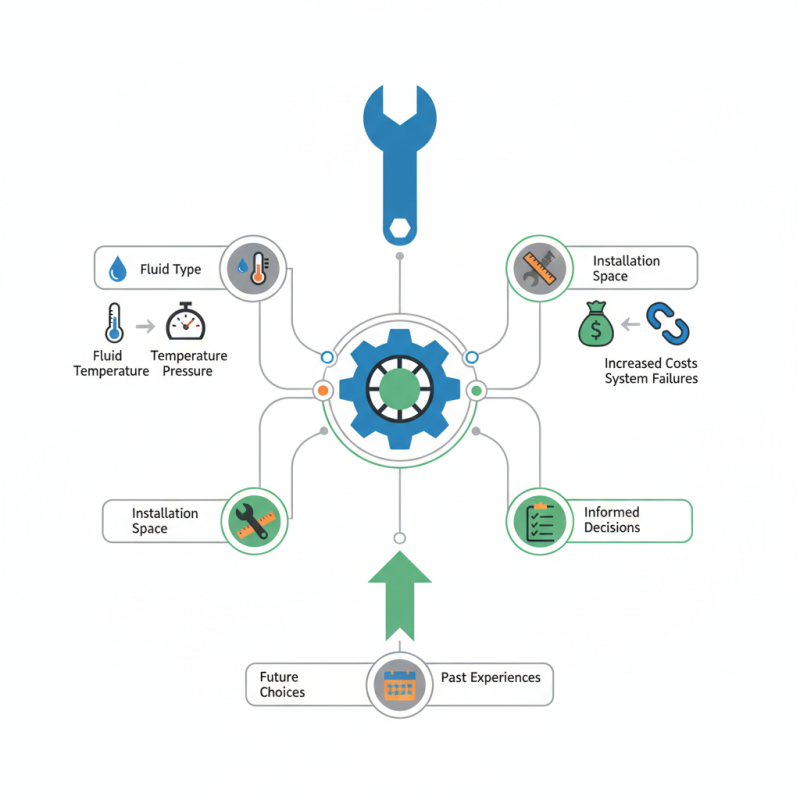
Choosing the right Motorized Valve is crucial for any system. The right valve ensures efficiency and reliability. According to industry expert John Smith, “The wrong valve can lead to system failures and increased costs.” This statement emphasizes the importance of making informed decisions.
Motorized valves come in various types and sizes. Understanding your system's requirements is vital. Factors like fluid type, temperature, and pressure play significant roles. Choosing the wrong specifications can lead to leaks and malfunctions.
It's not just about picking a popular brand. Consider installation space and compatibility too. A valve might look good on paper, but can it fit into your setup? Often, users overlook these details and face headaches later. Reflecting on past choices helps in making better decisions for the future.
Understanding the Types of Motorized Valves and Their Applications
Motorized valves are essential in various systems, including HVAC, water treatment, and industrial piping. Each type of motorized valve serves a specific function. Butterfly valves are effective for throttling and on/off applications. They are lightweight and provide a quick response. According to industry reports, butterfly valves account for around 30% of the market share in motorized valve applications.
Moreover, ball valves have gained popularity for their tight sealing capabilities. They can handle high pressures and temperatures, making them suitable for critical systems. Research indicates that the demand for ball valves has increased by 15% over the last five years. This growth is due to their reliability and ease of use in various sectors.
However, selecting the appropriate valve is not always straightforward. Each system has unique requirements. Incorrect choices can lead to inefficiencies and increased operational costs. It’s crucial to consider factors like fluid type, pressure rating, and temperature. Ignoring these elements can result in costly errors. A comprehensive evaluation of these aspects will enhance system performance. Understanding the specific applications of each valve type plays a vital role in achieving the desired outcomes.
Key Factors in Selecting Motorized Valves for Fluid Control Systems
Choosing the right motorized valve for your system requires careful consideration. Key factors include the type of fluid, pressure requirements, and the operation method. Each system has its unique needs. Understanding these elements helps in selecting the most suitable valve.
Tips: Always evaluate the flow rate. An incorrect flow rate can lead to system inefficiency. Check compatibility with the fluid type. Different materials respond differently to various fluids. Avoid assumptions without testing.
Another critical factor is the control method. Actuation can be electric, pneumatic, or hydraulic. Each method has its pros and cons. Electric valves are easy to control but may require more maintenance. Think about the power supply and the environment.
Tips: Review installation requirements. A poorly installed valve may cause leaks. Consider the overall system design. A mismatched valve can disrupt flow control. Analyze both cost and performance thoroughly before making a move.
Motorized Valve Selection Criteria
Evaluating Actuation Options: Electric vs. Pneumatic vs. Hydraulic
When selecting a motorized valve, actuators play a crucial role. Electric, pneumatic, and hydraulic actuations each have distinct characteristics. Electric actuators are often preferred for precision tasks. They provide consistent control and are easy to integrate with digital systems. However, they may have limited torque for larger valves. This could be a drawback in high-pressure applications.
On the other hand, pneumatic actuators offer speed and reliability. They respond quickly and can handle larger forces. This makes them suitable for dynamic environments. Still, they require a continuous air supply. If your system lacks efficient air management, this could lead to operational issues.
Hydraulic actuators are powerful and suited for heavy-duty tasks. They can easily manage high pressure. Yet, they come with complexity. The need for a fluid reservoir and potential leaks can complicate maintenance. Evaluating each option requires a balanced understanding of system needs and limitations. It's essential to ask the right questions to avoid costly mistakes later.
Sizing and Flow Requirements: Ensuring Optimal Performance of Valves
When choosing a motorized valve, sizing and flow requirements are crucial. Correct sizing ensures that the valve can handle the system's flow without causing pressure drops or flow restrictions. If the valve is too small, it may not open fully. This can restrict flow, causing inefficiencies. Conversely, an oversized valve can lead to uncontrolled flow and potential damage.
Consider the system's flow rates. Measure the maximum and minimum flow requirements. Calculate the valve's Cv value, which reflects how much fluid the valve can pass. This value significantly influences the valve's performance. If you're unsure, use flow calculators available online.
**Tip:** Double-check your measurements. An error in sizing can lead to larger issues. Compare different valve specifications. Sometimes, a small detail can change everything.
Evaluate your system's pressure drop. A high-pressure drop can affect performance. Make adjustments if needed. Regular system assessments can save money in the long run. Are your calculations accurate? Validate them with water flow tests.
**Tip:** Don’t overlook installation requirements. An improper setup can lead to leaks or failure. Make sure every component is compatible. Take the time to plan your installation process thoroughly.
How to Choose the Right Motorized Valve for Your System? - Sizing and Flow Requirements: Ensuring Optimal Performance of Valves
| Valve Type | Size (inches) | Flow Rate (GPM) | Max Pressure (PSI) | Material | Applications |
| Ball Valve | 2 | 50 | 150 | Stainless Steel | Water Supply |
| Gate Valve | 4 | 100 | 200 | Cast Iron | Oil & Gas |
| Globe Valve | 3 | 75 | 150 | Brass | HVAC Systems |
| Check Valve | 1.5 | 30 | 100 | PVC | Pool Systems |
Assessing Material Compatibility for Motorized Valves in Various Industries
Choosing the right motorized valve requires careful consideration of material compatibility. Different industries have unique demands. The fluid being controlled can be corrosive or abrasive. This factor affects the valve's lifespan and performance.
For instance, in the chemical industry, certain materials resist harsh chemicals. Stainless steel and plastic are common choices. However, not all stainless steel grades offer the same protection. Some may corrode faster than others. On the other hand, plastic valves may not handle high temperatures well.
Compatibility also varies in water treatment applications. Here, valves must endure varying pH levels. A valve that works well in one environment may fail in another. Improper assessments lead to costly downtime. Testing your choice with the specific substances used is vital. Understanding the limitations of each material can save trouble later.