
2026 How to Choose the Right Electric Ball Valves for Your Needs?
Choosing the right Electric Ball Valves is crucial for efficiency and performance. According to industry expert Dr. Emily Carter, “Selecting the right valve can save both time and money.” Her insight sheds light on the importance of informed decision-making in valve selection.
Electric ball valves serve various applications, from industrial settings to HVAC systems. They offer automation, precise control, and energy efficiency. However, the plethora of options can be overwhelming. Many users struggle with specifications, sizes, and compatibility. This is where careful consideration becomes necessary.
Understanding your specific needs is vital. It's important to evaluate flow rates, fluid type, and pressure requirements. Additionally, installation and maintenance factors should not be overlooked. Even experienced professionals encounter challenges in this selection process. Reflecting on these complexities can guide you toward making the best choice for your application.
Understanding Electric Ball Valves: Types and Applications
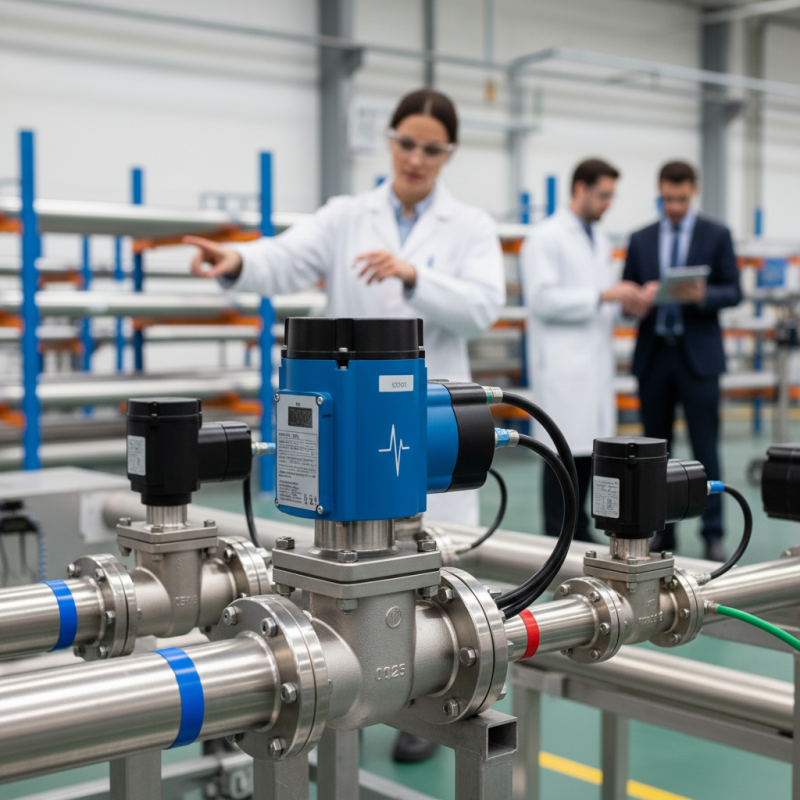
Electric ball valves offer precise control for various applications. They are widely used in industries like water treatment, HVAC, and food processing. Understanding the types and applications of these valves is crucial for making the right choice. Typically, electric ball valves come in two main types: two-way and three-way. Two-way valves control flow in one direction, while three-way valves can mix or divert flow.
When selecting an electric ball valve, consider the specific needs of your system. Factors such as pressure ratings, temperature ranges, and material compatibility are key. For instance, a valve used in corrosive environments must be made of resistant materials. Additionally, consider the power supply options, as some systems might face limitations. Balancing cost and quality is essential. It can be tempting to choose the cheapest option, but long-term reliability often outweighs upfront savings.
Moreover, evaluating the installation process is necessary. Some valves are easier to fit than others, which might affect downtime. It’s important to consult with professionals who understand your unique requirements. Ignoring essential details can lead to costly mistakes. Always take time for research, as proper selection can greatly enhance system efficiency.
Key Specifications to Consider When Selecting Electric Ball Valves
When selecting electric ball valves, several key specifications are essential. The voltage rating should align with your facility's electrical system. Common voltages include 24V and 120V. Assess your existing setup to avoid compatibility issues. Size is also crucial; it should match your piping specifications. Pay attention to the connection type—flanged, threaded, or welded. Each has different installation requirements.
Another important aspect is the torque rating. Valves must be able to operate under the pressure levels they will encounter. Check the actuator design as well. Some allow for easier manual override. Additionally, consider the materials used. Stainless steel is durable and can resist corrosion. If working with specific fluids, confirm compatibility.
You might find yourself caught between options. Sometimes, the best choice isn't immediately clear. It’s worth investing time to research various models. Look for user reviews and case studies. These insights can guide your decision but reflect on the limitations too. Not every valve will perform perfectly in every setting. Plan for potential upgrades or replacements in the future.
Industry Standards and Certifications Relevant to Electric Ball Valves
When selecting electric ball valves, understanding industry standards and certifications is crucial. These standards ensure safety, reliability, and performance. Common certifications include ISO and ANSI. They indicate adherence to industry best practices. Specific certifications may vary by application. For example, valves used in food or pharmaceutical industries require stringent safety measures.
Different applications demand different standards. Consider valves in hazardous environments. They may need certifications like ATEX or IECEx for explosion protection. It's important to check these requirements early in the selection process. Sometimes, manufacturers may not clearly display their certifications. This can lead to misunderstandings about the product's reliability.
Reflecting on industry standards can help avoid costly mistakes. Uncertainties in certifications may lead to improper selections. Always verify the documentation provided. Ask manufacturers for details if needed. It’s better to ask than to regret a poor choice later.
Evaluating Performance: Flow Rate and Pressure Ratings of Electric Valves
When choosing electric ball valves, understanding flow rates and pressure ratings is crucial. An electric valve's performance is significantly influenced by these factors. Flow rate, often measured in GPM (gallons per minute), indicates how much fluid can pass through. A standard industrial electric valve may handle between 10 to 200 GPM, depending on size and design. Higher flow rates mean better efficiency for processes requiring rapid fluid changes.
Pressure ratings also play a vital role. Many electric valves can withstand pressures ranging from 150 PSI to 600 PSI. This is critical for applications in various industries like oil and gas or water treatment. Choosing a valve rated too low could lead to failures or leaks. Reports suggest that nearly 30% of failures stem from pressure miscalculations.
Evaluating these metrics isn't always straightforward. Users often overlook system requirements and environmental conditions. A valve that performs well in standard settings might falter under extreme conditions. Users should consider not just the specs, but the entire system's compatibility with the valve. Poor selection can lead to inefficiencies and costly repairs.
2026 How to Choose the Right Electric Ball Valves for Your Needs?
| Valve Type | Flow Rate (GPM) | Pressure Rating (PSI) | Voltage (V) | Material |
|---|---|---|---|---|
| Standard Electric Ball Valve | 20 | 150 | 24 | Brass |
| High Flow Electric Valve | 50 | 200 | 120 | Stainless Steel |
| Compact Electric Ball Valve | 10 | 100 | 24 | PVC |
| Corrosion-Resistant Electric Valve | 30 | 150 | 220 | CPVC |
Comparative Analysis of Cost vs. Benefits in Electric Ball Valve Selection
When selecting electric ball valves, cost and benefits play a crucial role. A high initial investment might deter some users. However, the long-term savings can justify the expenditure. Electric ball valves offer precise control, which reduces the risk of leaks. This feature can save maintenance costs over time.
Consider the operating environment. If it’s prone to extreme temperatures or corrosive substances, investing in durable electric ball valves makes sense. Cheaper options may fail faster, leading to costly downtime. On the other hand, overly expensive models might not deliver proportional benefits. Striking the right balance is vital.
Evaluate energy efficiency too. A more efficient valve may have a higher upfront cost, but it can lower utility bills. Reflect on whether the valve's lifespan aligns with your project goals. It’s easy to be swayed by flashy features, but practicality is often key. Performance must meet realistic expectations to avoid disappointment.