How to Choose the Right Ball End Mill for Your Project?
Choosing the right Ball End Mill is crucial for achieving precise cuts in your projects. This tool is essential for contouring and profiling materials like metal and wood. A few factors influence the selection of a suitable Ball End Mill.
First, consider the material you will work with. Different materials require specific types of end mills for optimal performance. A general-purpose Ball End Mill may not suit high-strength alloys. You might struggle to achieve the desired finish if you choose incorrectly. Additionally, the diameter of the Ball End Mill also plays a significant role. Larger diameters remove material faster but may not reach tight radii.
Remember, the cutting speed and feed rate are critical too. Improper settings can lead to tool wear or poor finishes. Finding a balance between quality and efficiency is not always easy. Research and testing can lead to mistakes, but they are part of the learning process. Selecting a Ball End Mill involves serious consideration and understanding of your project's demands.
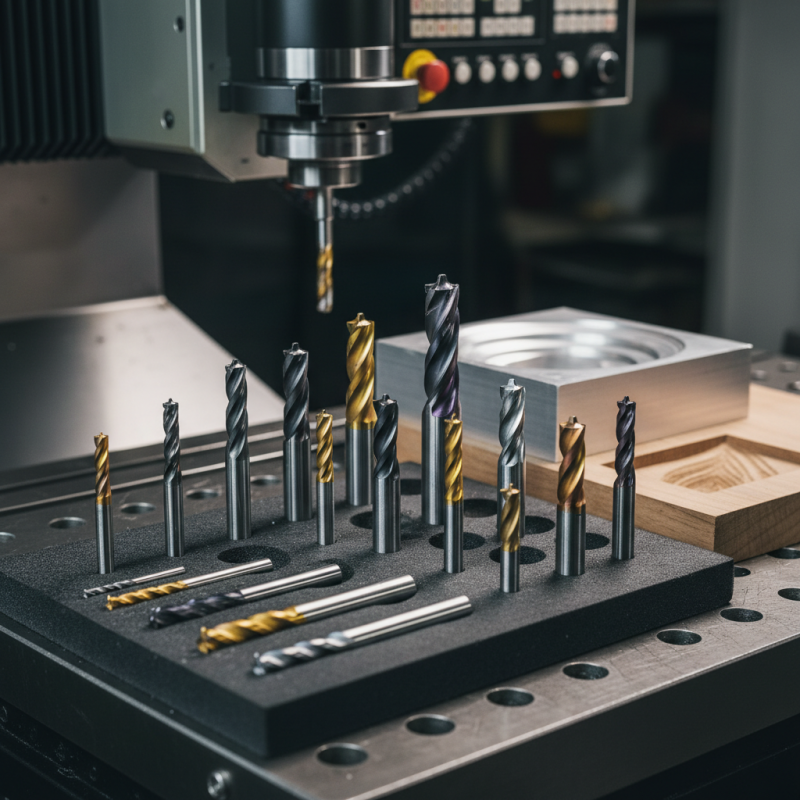
Understanding Ball End Mills and Their Applications
Ball end mills are essential tools in machining. They are used for creating intricate shapes and contours. Their spherical end allows for cutting in multiple directions. This feature makes them versatile for various applications.
When selecting a ball end mill, consider the material you will be cutting. Harder materials require robust tooling. If you’re working with softer materials, a finer tool might suffice. Pay attention to the diameter of the end mill as well. A larger diameter can remove material faster but may be less precise.
Tips: Choose a tool diameter that matches your project for improved accuracy. Make sure to check the coating on the end mill. Different coatings can enhance durability and reduce friction. Also, remember that sometimes, you might need several ball end mills for different tasks within the same project. It's better to have too many than not enough, even if it feels excessive at times.
Popular Ball End Mill Sizes and Their Applications
Key Factors to Consider When Selecting a Ball End Mill
Choosing the right ball end mill can significantly impact your machining project. There are key factors to consider to make the best selection. Material type is critical. For example, high-speed steel (HSS) is suitable for softer materials, while carbide tools excel in harder materials. According to a report by the American Machining Association, using the correct material can enhance tool life by up to 30%.
Another important aspect is the diameter of the end mill. Smaller diameters allow for finer detail work, while larger ones are better for aggressive material removal. The same report also indicates that a diameter increase of just 1 mm can double the removal rate. However, using a larger diameter may lead to a loss of precision in tight spaces. You must weigh the need for speed against the need for accuracy.
Lastly, consider the coating of the end mill. Different coatings offer various levels of heat resistance and friction reduction. Some users overlook this factor, leading to premature tool wear. A recent survey showed that 40% of machinists do not understand the advantages of advanced coatings. This knowledge gap can negatively affect project outcomes. Remember, choosing the right ball end mill requires careful consideration of multiple factors to avoid costly mistakes.
How to Choose the Right Ball End Mill for Your Project? - Key Factors to Consider When Selecting a Ball End Mill
| Factor | Description | Importance | Recommendation |
| Material | The material to be machined (aluminum, steel, plastic, etc.) affects tool selection. | High | Choose a ball end mill suited for the specific material for optimal results. |
| Diameter | The diameter affects the radius of the contour and cutting efficiency. | Medium | Select a diameter that matches the detail of the features in your project. |
| Coating | Coatings enhance wear resistance and reduce friction. | High | Consider a coating based on the machining environment and material. |
| Flute Design | Flute design affects chip removal and surface finish. | Medium | Choose the flute design that aligns with the machining operation. |
| Length of Cut | Determines the depth of cut possible and affects tool stability. | High | Select a length that provides enough reach without sacrificing rigidity. |
Material Compatibility: Choosing the Right Type for Your Project
Choosing the right ball end mill requires understanding material compatibility. Different materials require different types of cutting tools. Soft materials like aluminum can be machined with high-speed steel tools. Harder materials, like stainless steel, demand carbide options for better durability and precision.
Tip: Always match the mill to your project material. This simple step can save you time and frustration. Using the wrong tool can lead to poor finishes and tool damage. For example, trying to cut titanium with a standard steel end mill often ends poorly.
Consider the specific properties of your material when selecting a ball end mill. Think about hardness, toughness, and thermal conductivity. Is the material prone to chip formation? If yes, a specialized geometry may help. A wider flute design could aid chip clearance. These details can add efficiency to your process.
Tip: Regularly review tool wear and project results. Documenting your experiences can help refine your choices. You might find that some tools do not perform as expected. Reflect on these outcomes before your next project.
Evaluating Cutting Parameters for Optimal Performance
Choosing the right ball end mill involves careful consideration of cutting parameters. The material you’re machining plays a crucial role in this process. For example, harder materials may require lower feed rates and speeds to prevent tool wear. Conversely, softer materials can handle higher speeds. This difference affects your choice significantly.
When evaluating cutting parameters, one must also consider the depth of cut. A shallow depth can yield a fine finish but may require more passes. Each pass generates heat, which could affect tool integrity. Additionally, selecting the correct diameter of the ball end mill is vital. A larger diameter can remove material quicker but can be less precise.
Ultimately, the relationship between cutting parameters and tool performance can be unpredictable. Sometimes, the ideal settings are not apparent until after some trials. Adapting parameters based on real-time feedback is essential. It's a balancing act of efficiency and quality of the finish. Fine-tuning is often needed, highlighting the importance of reflection after completing a project.
Common Mistakes to Avoid When Selecting Ball End Mills
When selecting ball end mills, common mistakes can lead to project setbacks. One frequent error is choosing a size that doesn’t fit the task. If you require precision, a smaller diameter might be best. However, larger diameters can remove material faster. Knowing the specifics of your project is crucial.
Another mistake is ignoring the material being machined. Different materials require specific tool designs. For example, harder materials need stronger, more durable ball end mills. Using the wrong type can result in excessive wear or breakage. It’s vital to assess your project materials carefully before making a decision.
Tips: Always double-check your measurements. A slight oversight can lead to significant issues. Consult technical data sheets for guidelines on material compatibility. Finally, don’t forget to consider your machine’s capabilities. Balancing your needs with practical constraints is key.