How to Choose the Best Wpc Decking for Your Project?
When considering decking materials for your outdoor space, selecting the Best Wpc Decking is crucial. Wood-plastic composites (WPC) are gaining popularity due to their durability and low maintenance. According to a recent report by the Freedonia Group, the WPC decking market is expected to reach $1.1 billion by 2026, reflecting a compound annual growth rate (CAGR) of 5.5%. This rise indicates that many homeowners prioritize sustainability and longevity in their choices.
The Best WPC Decking options combine aesthetics and performance. They resist fading, mold, and insects better than traditional wood. Choosing the right product requires careful consideration. Factors like color, texture, and warranty can significantly influence your project's success. However, not every WPC product is the same. Some may lack the strength needed for high traffic use. Therefore, assessing product specifications and user reviews is important to ensure quality.
Lastly, stay informed about potential flaws. Not all WPC decking is created equal. Some cheaper options may warp or fade quickly, undermining your investment. Always seek expert advice and compare multiple brands before deciding. Your choice could impact both the beauty and functionality of your outdoor area for years to come.
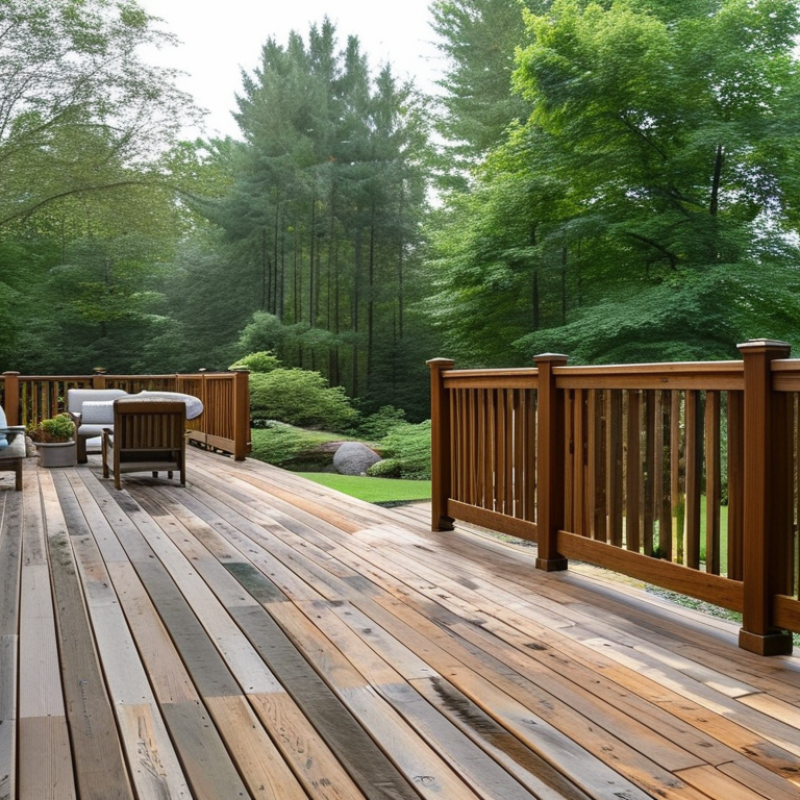
Understanding WPC Decking: Definition and Benefits
WPC decking, or wood-plastic composite decking, has gained popularity in recent years. It combines wood fibers and recycled plastics. This mixture results in durable, low-maintenance decking. Homeowners appreciate its resistance to rot and insects. Unlike traditional wood, WPC decking does not splinter easily. This makes it a safer choice for families.
Understanding the benefits of WPC decking is essential. The material is eco-friendly since it utilizes recycled content. Additionally, it does not require staining or sealing like wood. This means less time spent on upkeep. WPC decking is available in various colors and textures. This allows for creative designs that can enhance your outdoor space.
While WPC decking has many advantages, it’s not without flaws. Some people may find it less aesthetically pleasing than natural wood. The initial cost can be higher than traditional decking materials. However, it pays off in the long run through reduced maintenance. It's essential to weigh these factors when making a decision.
WPC Decking Material Comparison
Types of WPC Decking Materials: Key Differences and Features
Choosing the right WPC decking material is crucial for any outdoor project. WPC, or wood-plastic composite, offers durability and aesthetic appeal. There are several types to consider, each with unique features. Common materials include polyethylene and polypropylene composites. These differ in longevity, maintenance, and appearance.
Polyethylene-based WPC decking typically provides good resistance to moisture and UV exposure. Reports suggest that decks made from this material last between 15 to 25 years with proper care. On the other hand, polypropylene composites may offer superior color retention but can be more costly. The lifespan of polypropylene decking can reach up to 30 years. Choosing between these often depends on budget constraints and desired look.
Another aspect to consider is texture. Composite decks can come in smooth or textured finishes. Textured surfaces provide better traction but may require more cleaning. A recent industry study indicates that 65% of homeowners prefer textured surfaces for safety reasons. However, this can lead to more debris accumulation, requiring more maintenance. Each choice has implications for durability and upkeep, emphasizing the need for careful selection based on project goals.
Factors to Consider When Choosing WPC Decking for Your Project
Choosing the right WPC decking for your project requires careful consideration of various factors. First, assess the environment where the decking will be installed. Will it be exposed to direct sunlight or excessive moisture? This can affect the longevity of your decking. A material that resists fading and warping is crucial in these conditions.
Quality is another key factor. Look for WPC decking that offers a good balance of wood and plastic content. This impacts durability and aesthetics. It's important to review the weight of the boards. Heavier boards often indicate better quality. However, thinner boards can have a sleek look that some might prefer. Balance personal style with practicality.
Tips: Always request samples to see how different options look in your space. Installations may help visualize the final result. Also, check customer reviews for real-world experiences. Quality varies, and learning from others can guide your decision. Don’t rush this step; it's worth the time to reflect on what you truly need.
Evaluating Aesthetic Options: Colors, Textures, and Styles in WPC Decking
When choosing WPC decking, aesthetics play a vital role. The market has grown significantly, with a projected increase of 12% in demand for eco-friendly materials over the next five years. Colors can influence the overall feel of your space. Most homeowners prefer natural wood tones like cedar or walnut. However, trendy colors like gray and charcoal are gaining popularity.
Textures in WPC decking also matter. A smooth finish may appeal to some, while others might prefer a more rustic, textured surface. According to a 2022 industry report, around 40% of consumers choose textured surfaces for better slip resistance. This is especially important for families with children or pets.
Styles can range from traditional to modern. Decking boards designed to mimic real wood should be examined closely. Some may look authentic but may lack durability. It's crucial to compare products based on physical samples. Consider how the color and texture will harmonize with your home’s exterior. Flaws in manufacturing can lead to uneven surfaces. Always research and review products thoroughly before making a decision.
Durability and Maintenance: Ensuring Longevity of Your WPC Decking
When selecting WPC decking, durability and maintenance are key factors to consider. WPC, or wood-plastic composite, is designed to withstand various environmental conditions. Studies indicate that WPC decking can last significantly longer than traditional wood. For instance, WPC materials typically have a lifespan of 25 to 30 years. In contrast, untreated wood might only last about 10 to 15 years without proper care.
Maintenance is crucial for ensuring longevity. Regular cleaning can prevent mold and mildew, which thrive in damp conditions. Reports show that neglecting cleaning can reduce the lifespan of decking by up to 50%. A simple wash with soap and water can maintain its appearance and performance. It's also important to inspect for any signs of damage periodically. Boards that are uneven or warped should be replaced promptly to avoid larger issues. Investing time in maintenance leads to a long-lasting deck, promoting safety and aesthetic appeal.
Finally, choosing a suitable finish can enhance durability. Some finishes improve resistance to UV rays and moisture. Research indicates that finished WPC has up to 38% better resistance to fading. However, not all finishes are alike. Some require frequent reapplication, while others provide long-term protection. Evaluating these aspects carefully can lead to a better choice for your project.
How to Choose the Best WPC Decking for Your Project? - Durability and Maintenance: Ensuring Longevity of Your WPC Decking
| Decking Type | Material Composition | Durability Rating | Maintenance Frequency | Lifespan (Years) |
| Wood-Plastic Composite | 60% Wood Fiber, 40% Plastic | High | Every 1-2 Years | 25-30 |
| PVC Decking | 100% Polyvinyl Chloride | Very High | Every 3-5 Years | 30-40 |
| Bamboo Composite | 50% Bamboo Fiber, 50% Plastic | Medium | Every 2-3 Years | 20-25 |
| Timber Decking | Natural Hardwoods | Variable | Annually | 15-20 |