How to Choose the Best White Nutcracker for 2026?
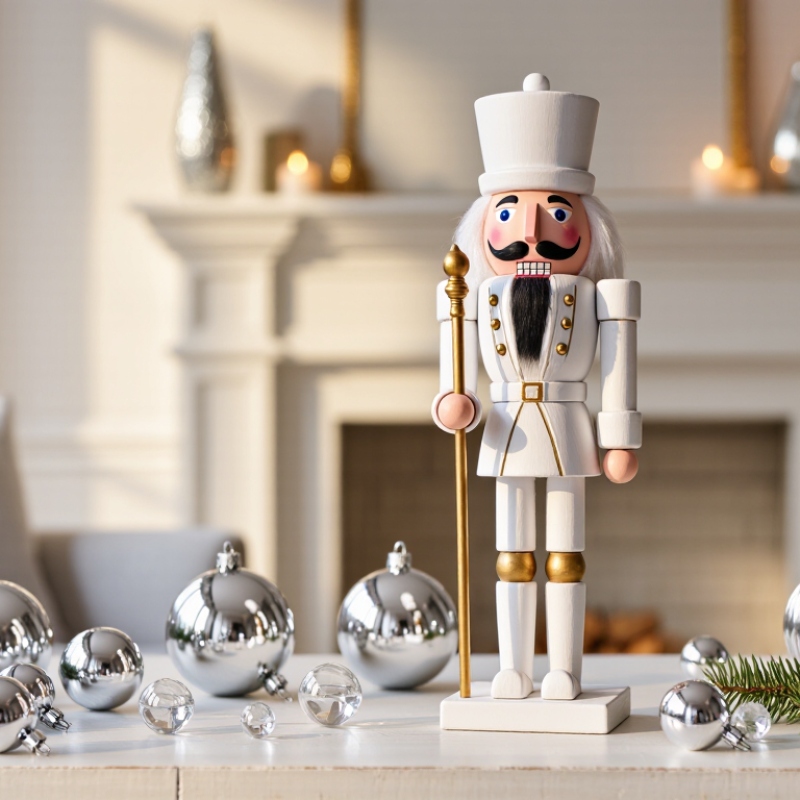
A White Nutcracker can bring a crisp focal point to a mantel, entry table, or holiday display. Yet “white” covers more than one look. A warm ivory figure feels traditional, while a bright, cool-white finish can appear sharper beside silver ornaments. Size, paint quality, material, and balance also affect how well a piece suits your home.
Retail context helps, but it should be read carefully. The National Retail Federation’s 2024 holiday forecast estimated U.S. seasonal retail sales of $979.5 billion to $989 billion, up 2.5% to 3.5% from 2023. That broad forecast does not measure nutcracker demand. Still, it shows the scale of seasonal shopping and why comparing value, durability, and style matters before buying. Details matter.
For 2026, this guide will help you assess construction, finish, proportions, and price without treating appearance as the only test. Check whether the white coating looks even under natural light, whether small painted details are crisp, and whether the base sits firmly on a shelf. A glossy finish may suit a formal room; a distressed one can feel softer and more lived-in. Product descriptions can leave things unclear, so verify dimensions and materials when possible. That extra check is easy to skip. It can also prevent a disappointing fit.
Identify the Purpose and Style of a White Nutcracker
How to Choose the Best White Nutcracker for 2026?
Identify the Purpose and Style of a White Nutcracker
Start by deciding what you want the nutcracker to do. Some are designed for cracking nuts, while others are decorative figures for shelves, mantels, or holiday displays. Check the product description for its intended use; a painted wooden ornament may not be suitable for food preparation. If you need a working tool, look for a sturdy mechanism, comfortable handles, and clear care instructions. A decorative piece can prioritize detail instead.
Next, consider the room and the look you want. A matte white finish feels quiet and modern, while glossy paint or carved details can suit a traditional display. Measure the shelf or mantel before choosing a tall figure. White can look warm, cool, or slightly cream-colored under different lighting, so compare its finish with nearby walls and ornaments. The match may not be perfect, and that is worth considering.
Tips: Check the scale, finish, and stated purpose before buying. For a functional model, confirm that the cracking mechanism is made for the nuts you use. For display, inspect small details such as painted trim and the stability of the base. If possible, view the item in natural light; product photos can make white finishes look brighter than they are.
Choose the Right Size and Display Location
Before choosing a white nutcracker, measure the shelf, mantel, or table where it will stand. Note both the available height and the depth; a tall figure can look crowded beneath a low shelf. Measure the base, too. Measure twice. Leave a little room around the piece so its silhouette remains clear and nearby objects do not feel squeezed together.
Scale should suit the viewing distance. A small figure may disappear on a deep mantel, while an oversized one can dominate a narrow entry table. As a practical guide, compare the nutcracker’s height with nearby items, such as a framed photograph or candleholder. The exact balance depends on the room, and even careful measuring cannot predict every visual effect. A paper outline cut to the figure’s approximate height can help you test the placement before buying.
White finishes show their surroundings in different ways. A glossy surface may catch window glare, while a matte finish can look softer against painted walls. Check the spot in daylight and again under evening lamps. Keep the figure away from unstable edges, busy walkways, and direct heat from fireplaces or radiators. A stable, level surface matters more than a perfectly styled arrangement. If the display still feels slightly off, try moving it a few inches; small changes can make a noticeable difference.
How to Choose the Best White Nutcracker for 2026? - Choose the Right Size and Display Location
Use this practical sizing guide to match a white nutcracker to the available space. Heights and clearances are approximate; check the item’s actual dimensions and base size before purchasing.
| Approximate Height | Good Display Locations | Space to Allow | Display Tips for a White Finish |
| 8–12 in (20–30 cm) | Bookshelves, desks, side tables, or a grouped holiday vignette. | Allow about 2–4 in (5–10 cm) of clear width around the figure and enough depth for its base. | Place against a medium or dark background so the white details remain easy to see. Keep small figures away from shelf edges. |
| 15–18 in (38–46 cm) | Mantels, console tables, entryway tables, or a spacious shelf. | Allow roughly 4–6 in (10–15 cm) of visual space on each side, plus room for any accessories. | Pair with greenery, wood, or muted-color decorations for contrast. Measure the shelf depth and check that the figure is stable. |
| 24–36 in (61–91 cm) | Floor displays, hearth-side arrangements, or the end of a wide console. | Choose a level footprint with clear space around the base; keep walkways and door swings unobstructed. | A simple backdrop helps the figure stand out. Keep it away from fireplaces, heaters, damp areas, and direct sunlight. |
| 48–60 in (122–152 cm) | Large entryways, open living-room corners, or other spacious floor areas. | Measure the full height, including any hat or raised accessory, and confirm there is room to carry and position it safely. | Use a sturdy, level surface and secure the figure if it could be bumped. Keep it clear of traffic, heat sources, and moisture. |
Check Stability, Durability, and Care Requirements
For a white nutcracker, test its footing on a hard, level surface before buying. A small wobble matters. Check that the base sits flat and the figure stays upright when gently nudged. If it has moving arms or a lever, operate them slowly; loose joints can strain the body. The USDA Forest Products Laboratory’s Wood Handbook documents how wood responds to moisture and how shrinkage varies by direction and species. For a wooden figure, avoid damp display spots and sudden temperature changes, which may encourage movement or cracking. A heavy base can help, but it should not conceal a poorly balanced figure.
Inspect the white finish under bright light. Look for thin paint around edges, hairline cracks, and scuffs near the base. ASTM D3359 describes a standardized method for assessing coating adhesion; it is a useful quality benchmark, though a decorative item may not have been tested to it. Ask about the material and finish rather than assuming white paint is easy to maintain. Dust with a soft, dry cloth, and test any slightly damp cleaning cloth on an inconspicuous area first. Harsh cleaners may dull paint or loosen decals. I would still check the care instructions before displaying it; a quick wipe is not equally safe for every finish. Keep it away from sunny windows, where prolonged light can change its appearance.
How to Choose the Best White Nutcracker for 2026?
Compare common materials for stability, durability, and ease of care.
Scores are general, qualitative guidance—not laboratory measurements or ratings of specific products. Actual stability and durability depend on the base, construction, finish, and intended use. Keep wood dry, handle ceramic carefully, and follow each item's care instructions.
Evaluate Price, Seller Reliability, and 2026 Availability
A white nutcracker can look crisp in a bright room, but paint quality matters. Check close-up photos for smooth coverage around the face, cuffs, and carved grooves. Tiny chips show quickly against white. Ask whether the finish is matte, glossy, or lightly distressed; photos can make these look similar.
Compare the full price, not just the listed amount. Include shipping, taxes, and any gift packaging, then weigh those costs against the figure’s size and materials. A heavier wooden piece may feel sturdier than a lightweight molded one, though weight alone proves little. Check the seller’s return window and how damaged items are handled. Read recent reviews for specific details, such as careful packing or slow replies. Generic praise is less useful.
For 2026 availability, look for a stated dispatch date and current stock status before ordering. Seasonal décor can sell through unevenly, and a product page may remain visible after stock changes. Ask the seller to confirm the expected shipping window in writing. Keep a screenshot of the listing and delivery estimate. That may sound fussy, but holiday timing is easy to misjudge. If the seller gives vague answers, pause and compare another listing.