How to Choose the Best Water Filter for Your Home?
When selecting the best Water Filter for your home, several factors are crucial. According to the Water Quality Association's report, over 85% of U.S. homes contain contaminants in their water supply. This statistic underscores the importance of choosing the right filter to ensure safe drinking water. Renowned water quality expert Dr. Emily Turner states, "Selecting an appropriate water filter is key to maintaining health and wellness."
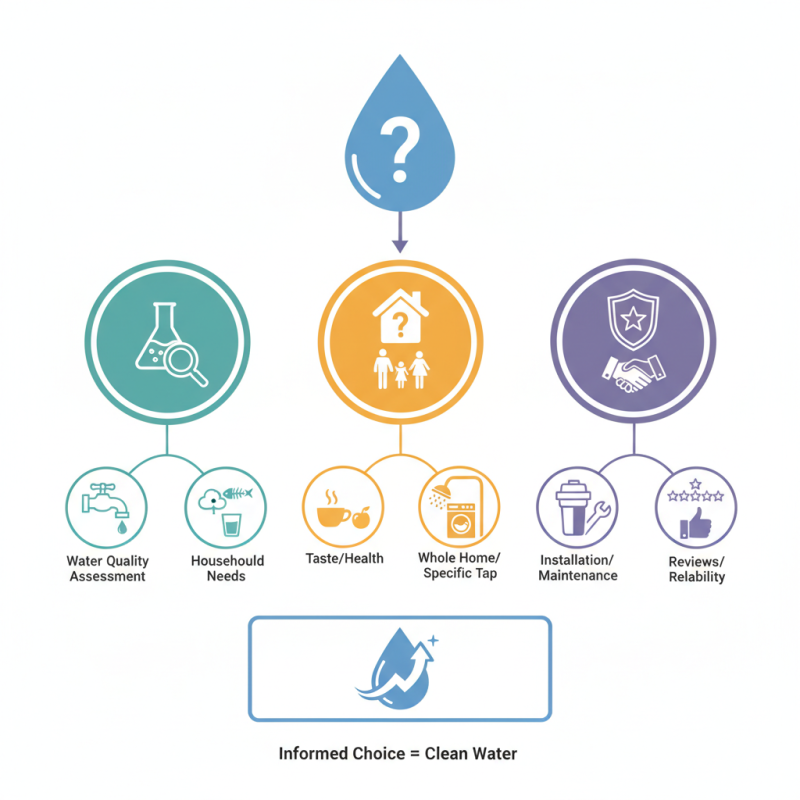
Different filters target various contaminants. For instance, some remove chlorine, while others tackle heavy metals or bacteria. The process of evaluating your water quality requires careful consideration of your specific needs. Do you need a filter for taste, or is health your primary concern?
Understanding your options can be overwhelming. It’s essential to identify reliable brands and read consumer reviews. Not all filters are equal, and some may leave behind substances that could be harmful. Take time to research and reflect on the long-term impact of your choice. A Water Filter can transform your tap water experience when selected wisely.
Understanding the Different Types of Water Filters Available
When selecting a water filter, understand the types available. Each filter serves a specific purpose. You might choose between activated carbon, reverse osmosis, or UV filters. Activated carbon filters effectively remove chlorine and improve taste. They’re simple to install and maintain.
Reverse osmosis systems eliminate many contaminants. They work by forcing water through a semi-permeable membrane. This method can waste some water, so it’s essential to consider efficiency. UV filters kill bacteria and viruses using ultraviolet light. They’re excellent for ensuring microbiological safety but do not remove chemical contaminants.
Be mindful of your water quality. Testing your water helps identify specific impurities. This information guides you in selecting the right filter. Understand that no single filter is ideal for everyone. Personal preferences and local water conditions play critical roles. It’s an ongoing process. Regular maintenance is crucial for effective filtration. With time, filters can lose efficiency, requiring replacements or upgrades. Always reflect on your water needs as they may change over time.
Water Filter Types Comparison
This chart compares the effectiveness rating of various types of water filters based on their ability to reduce contaminants. Activated carbon and reverse osmosis filters are highly rated, often making them preferred choices for home water filtration.
Key Factors to Consider When Choosing a Water Filter
Choosing the right water filter for your home is crucial. Start by understanding your water source. Is it municipal or well water? Knowing this helps determine what contaminants you need to remove. Municipal water usually has chlorine and heavy metals, while well water may contain bacteria or sediment.
Next, consider the types of filters available. Activated carbon filters are popular for removing unpleasant tastes and odors. Reverse osmosis systems excel in eliminating most contaminants, but they can waste water and be slow. Point-of-use filters might be convenient but could miss more extensive issues. It's essential to match the filter type to your specific needs.
Lastly, check the filter's certifications. Make sure it meets standards set by recognized organizations. Reading user reviews can provide insights into real-world performance. However, not all reviews are trustworthy and might be biased. Reflect on the pros and cons of your chosen system. Regular maintenance is also key. Filters require timely replacement to remain effective. Your choice may reflect your lifestyle but think about long-term implications too.
Evaluating the Water Quality in Your Home
Evaluating the water quality in your home is essential for health and safety. Start by testing your water. You can purchase a water testing kit online or at your local store. This kit usually includes tests for pH, lead, chlorine, and bacteria levels. Understanding these factors will guide your filtration choices.
Water hardness is another critical element. Hard water contains minerals like calcium and magnesium. High levels of these minerals can affect appliances and plumbing. If you find your water is hard, consider a filter designed to soften water. You can also look for signs like limescale buildup on faucets or inside your appliances.
**Tips:** Always check for local water quality reports. These reports provide valuable information about contaminants in your area. Consult with local health departments or environmental agencies for detailed insights. Don't ignore any unusual tastes or odors in your water; they can indicate deeper issues. Regularly testing your water ensures you adapt to any changes, making it a more reliable source.
How to Choose the Best Water Filter for Your Home? - Evaluating the Water Quality in Your Home
| Water Contaminant | Recommended Filter Type | Removal Efficiency (%) | Approximate Cost ($) |
| Chlorine | Activated Carbon Filter | 98 | 50 |
| Lead | Reverse Osmosis System | 95 | 300 |
| Fluoride | Activated Alumina Filter | 90 | 75 |
| Sediment | Sediment Filter | 99 | 30 |
| Bacteria | Ultraviolet Disinfection | 99.9 | 200 |
Assessing Filter Maintenance and Replacement Needs
When selecting a water filter, maintenance and replacement needs are crucial factors. According to the Water Quality Association, regular maintenance ensures your system functions efficiently. Neglecting this can lead to ineffective filtration and potential health risks. Depending on the type of filter, replacement can range from every few months to a couple of years. For example, activated carbon filters need changing every 6 to 12 months, while reverse osmosis systems may last up to two years for their membrane.
Tips: Always check the manufacturer's guidelines for specific replacement timelines. Set reminders to avoid disruptions in your water quality.
It's important to note that many users overlook filter maintenance due to busy lifestyles. Ignoring replacement schedules can result in reduced performance. A 2022 study showed that 30% of home water filtration systems were not adequately maintained. This neglect can allow contaminants to slip through, compromising water safety.
Tips: Keep a log of your filter's replacement dates. This helps in planning ahead and maintaining clean, safe water. Regular checks can prevent future inconveniences.
Comparing Costs of Water Filters: Budgeting for Your Choice
When selecting a water filter, costs play a critical role. Understanding various pricing models can help you make an informed choice. Basic filters may cost as little as $20. However, more advanced systems can reach several hundred dollars. Evaluate what fits your budget before diving deeper.
Installing a filter not only incurs the purchase cost but also maintenance expenses. Replacement filters add to your yearly budget. You might not realize how quickly these costs accumulate. A high-end system could require new filters every few months, while basic filters only need annual changes.
Consider the long-term benefits versus upfront costs. Investing more initially can lead to better water quality. Still, it’s essential to assess your family's needs. Do you need pure drinking water, or is it for cooking? Identifying your specific requirements can prevent overspending on features you may not use. Reflect on what you truly need before making a decision.