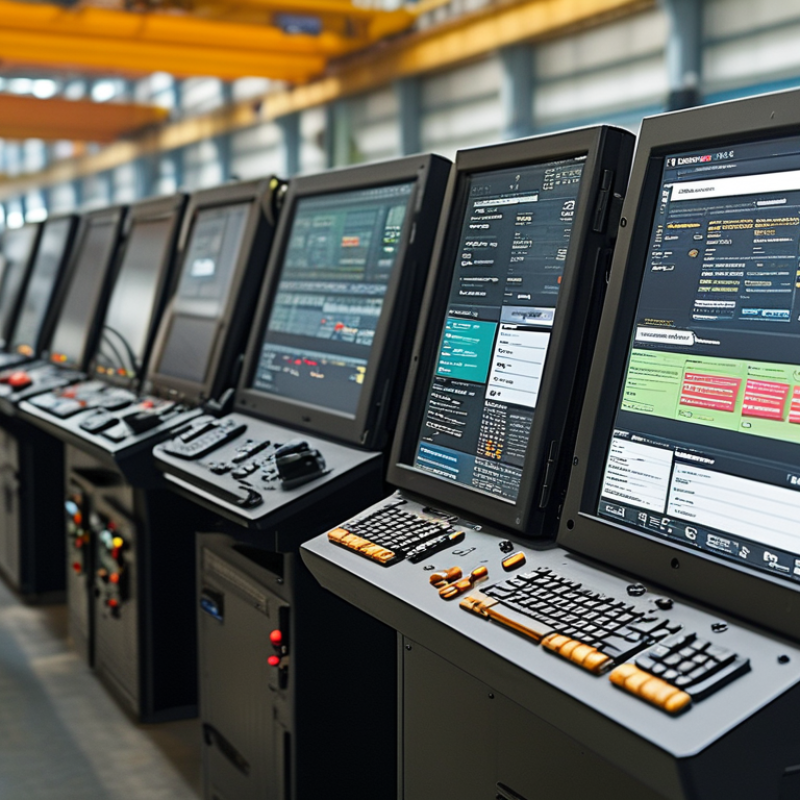
How to Choose the Best Industrial Touch Panel for Your Needs?
Choosing the right Industrial Touch Panel is crucial for enhancing operational efficiency. A well-suited touch panel can streamline processes and improve user interaction. However, selecting the best option can be challenging, given the variety of features available.
When assessing your needs, consider the panel's durability and responsiveness. Look for options with high-quality displays. These can withstand industrial environments and offer clear visibility. Also, compatibility with existing systems is vital. This ensures seamless integration and enhances workflow.
Despite having numerous options, not all touch panels meet specific requirements. Some choices might lack necessary features. Therefore, careful evaluation is essential. Always balance your expectations with budget constraints. A wise investment in an Industrial Touch Panel leads to long-lasting benefits.
Understanding Industrial Touch Panel Types and Technologies
When selecting an industrial touch panel, understanding the various types and technologies is essential. Touch panels can be capacitive or resistive. Capacitive touch screens are sensitive and allow for multi-touch capabilities. They are ideal for applications requiring precision. In contrast, resistive panels respond to pressure and can be operated with gloves. Though they lack multi-touch functionality, they excel in harsh environments.
Recent industry reports show that the demand for touch panels in industrial settings will grow by 10% annually through 2026. This growth is driven by the need for user-friendly interfaces in manufacturing. These panels often integrate with various technologies like IoT. The integration enhances operational efficiency but presents compatibility challenges. Not all panels work seamlessly with every IoT device.
Furthermore, the durability of the touch panel is crucial. Many panels claim high durability ratings, yet real-world testing reveals varying results. Manufacturers often quote ideal conditions. In practice, factors such as temperature and exposure to chemicals can affect longevity. Understanding these limitations will guide better choices based on specific industrial needs.
Evaluating Size and Display Features for Optimal Use
When evaluating size and display features for industrial touch panels, understanding your specific needs is crucial. A recent industry report indicates that 70% of users prefer displays larger than 15 inches for enhanced visibility and interaction. Larger screens can reduce strain and improve efficiency, particularly in high-traffic environments like manufacturing plants. However, screen size must align with user space to avoid clutter.
Brightness and resolution are equally important. Research shows that a minimum brightness of 500 nits is essential for outdoor use. For indoor settings, a resolution of at least 1920x1080 ensures clarity. Yet many panels fall short of this standard, leading to frustration. It's vital to assess lighting conditions in your work area before making a decision.
Durability also cannot be overlooked. Some panels are rated for harsher conditions but still fail under extreme temperature fluctuations. Users often overlook this aspect, resulting in equipment downtime. While aesthetic design matters, functionality and resilience should drive your choice. Testing panels in your environment can reveal unexpected strengths or weaknesses.
Assessing Durability and Environmental Resistance
When selecting an industrial touch panel, durability and environmental resistance are critical factors. According to a report from MarketsandMarkets, the global industrial touchscreen market is projected to grow at a compound annual growth rate (CAGR) of 7.3% between 2021 and 2026. This growth highlights the importance of reliable panels in challenging environments.
Durability is commonly tested through standards like IP ratings. An IP rating indicates a panel's resistance to dust and water. For instance, an IP65 rating guarantees protection against dust ingress and water jets. Such ratings help ensure that the panel can handle everyday wear and tear in industrial settings. Panels designed for extreme temperatures often undergo rigorous testing. Products rated for -20°C to 60°C can function effectively in most manufacturing environments.
Environmental resistance also involves considerations like chemical exposure and UV stability. A report from ResearchAndMarkets emphasizes that industrial panels must resist various chemicals found in factories. However, not all panels are equally robust. Some may fail under prolonged chemical exposure. It’s essential to analyze a panel's specifications thoroughly to avoid potential failures. Continuously reassessing needs based on changing industrial conditions is crucial, as the right choice today may not suit tomorrow’s challenges.
Exploring Connectivity Options and Compatibility
When selecting an industrial touch panel, connectivity options and compatibility are vital considerations. A good touch panel should support various communication protocols, such as USB, Ethernet, and RS-232. Each option has its strengths. For example, USB offers easy connectivity, while Ethernet provides robust networking capabilities. Sometimes, choosing the right protocol can be challenging. Industrial setups may have legacy systems that require specific connections.
Compatibility is not just about connections. It's also about software integration. Ensuring that your touch panel works with existing systems is crucial. Check operating system compatibility, as not all panels support the same software. Sometimes, panels may promise seamless integration, but real-world performance can differ. Factor in potential updates or software changes that could impact functionality.
Reviewing specifications before making a purchase can help mitigate issues. Look at supported drivers and integration features carefully. Seek panels that offer flexibility in settings to adapt to future needs. Remember, the best touch panel is not only about meeting today's requirements but also about aligning with future technological advancements. This foresight can save time and costs in the long run.
Considering User Interface and Usability Factors
When selecting the best industrial touch panel, user interface and usability are paramount. A well-designed interface increases efficiency and reduces errors. Think about how operators will interact with the panel. Clear icons and responsive controls matter. If users struggle to navigate the system, productivity will decline. Observing potential users during a demonstration can reveal usability issues.
Consider the size and layout of the touch panel. It should fit seamlessly into the workspace. If the screen is too small, it may be challenging to see critical information. Conversely, a large panel might overwhelm users. The placement should also allow easy access without obstructing operations.
Testing with actual users provides valuable insights. Gather feedback on features and layout. Adjustments may be necessary after initial use. Every touch panel may need fine-tuning post-implementation. Recognizing that usability is an evolving process can enhance operational effectiveness.
Comparison of Industrial Touch Panel Features