
How to Choose Skin Remodeling Equipment in 2026?

In 2026, choosing Skin Remodeling equipment means matching a device’s capabilities to your clients, staff, and treatment goals. The newest model is not automatically the best fit. Look beyond polished demonstrations and compare evidence, operating requirements, and ongoing support.

Start with the concerns you intend to address, such as texture, firmness, or visible signs of aging. Then check which technologies and treatment settings the manufacturer documents for those uses. Ask for clear specifications, maintenance instructions, staff training, and reliable service arrangements. Small details count. They can shape daily workflow and client experience.

Review credible clinical information, not just promotional claims. Consider how the equipment is evaluated, which outcomes are measured, and whether the available evidence applies to your intended clients. No checklist removes every doubt. Some product information may be incomplete, so verify important claims directly with the manufacturer and qualified clinical advisers. Also assess practical costs, including consumables, upkeep, and possible downtime. A lower purchase price may not mean lower operating costs.

This guide will help you compare equipment with a consistent, realistic framework. It will explore technology, safety features, usability, evidence, training, and long-term value. The aim is not to crown one universal winner. It is to help you ask sharper questions and choose equipment that your team can operate responsibly and confidently.
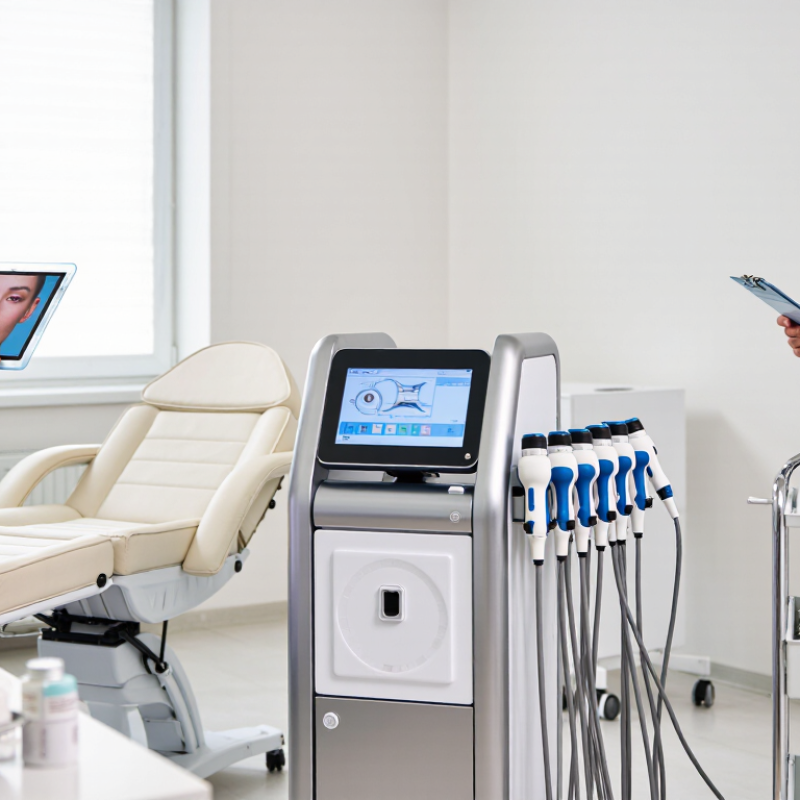
How to Choose Skin Remodeling Equipment in 2026?

Define Skin Remodeling Goals and Treatment Areas

Begin with the change you want to see: smoother texture, less visible laxity, or softer acne marks. Be specific. “Improve my cheeks” is less useful than identifying roughness around the nose or fine lines near the eyes. Note how long the concern has been present and what you have already tried. Clear goals help a qualified professional discuss suitable options and realistic limits.

Map the treatment areas before comparing equipment. A device used on the face may not suit every area, skin tone, or concern. Ask how its energy or technique interacts with your skin, what discomfort and recovery may involve, and who should avoid treatment. A careful assessment should include your health history, current skin condition, and sensitivity. Take consistent photos in the same light; they can make gradual changes easier to judge. Plans may need adjustment. That is not always tidy.

Tips: Bring a short list of priorities to your consultation. Ask to see evidence for the specific concern and treatment area, not just general claims. Confirm the operator’s training and the device’s maintenance process. Keep expectations modest; results vary, and one session may not answer every question.

Compare Equipment Technologies and Treatment Capabilities

Skin-remodeling equipment should be compared by what it can treat, how deeply it works, and the evidence behind its claims.

ISAPS’s 2023 Global Survey recorded 19.1 million nonsurgical aesthetic procedures worldwide. That figure covers many procedure types, not device-based remodeling alone, so it signals broad demand rather than proving a machine’s effectiveness.

Radiofrequency heats tissue to support collagen remodeling, with results and comfort shaped by energy settings and treatment depth.

Focused ultrasound targets deeper tissue and is not a substitute for treating surface pigmentation.

Fractional lasers create controlled patterns of skin injury; wavelength and settings affect whether texture, discoloration, or scars are the main target.

Radiofrequency microneedling combines needle penetration with heat. Useful, but not interchangeable.

A cheek with mild laxity and a cheek marked by acne scars may need different technologies, settings, or treatment plans.

Compare published clinical studies for the specific device type and concern, not just broad “skin tightening” claims. Check treatment depth, adjustable settings, consumable costs, staff training, maintenance, and the manufacturer’s safety documentation.

Ask to see realistic before-and-after images under consistent lighting. Also ask how skin tone, medications, and healing history affect suitability.

A practical evaluation might record the expected downtime and follow-up schedule beside each option.

Evidence can still be uneven; that deserves careful thought before purchase.

Check Safety Standards, Certifications, and Clinical Evidence

When choosing skin remodeling equipment in 2026, examine safety documents before comparing features. Request the exact model’s certification records, test reports, intended-use statement, contraindications, and maintenance schedule. Check that the documents come from a credible testing body and apply to the device you are evaluating. Requirements vary by market, so verify them with the relevant regulator. Details matter. A certificate supports safety review; it does not prove clinical benefit.

Look for peer-reviewed studies on the same device and treatment method, not just similar technology. Check who was studied, which skin types were represented, how treatments were delivered, and how long outcomes were followed. Strong evidence reports both benefits and adverse events. Before-and-after images can be useful, but lighting, camera angle, and follow-up timing may shape what they show. A polished brochure is easy to mistake for proof.

Assess practical safeguards, too: clear operating instructions, accessible emergency shutoff, operator training, and documented service procedures. Ask how the clinic should record treatment settings and patient responses. If evidence is limited or does not match your intended use, acknowledge that uncertainty rather than filling the gap with assumptions. I would pause if a supplier cannot provide verifiable records; that caution can feel inconvenient, but it is part of responsible selection.

Assess Patient Suitability and Operator Training Requirements

How to Choose Skin Remodeling Equipment in 2026?

Assess Patient Suitability and Operator Training Requirements

Choosing equipment starts with the people who will receive treatment, not the device’s feature list. Review each patient’s skin condition, treatment goals, medical history, and relevant medications before deciding whether a procedure is appropriate. Skin tone and sensitivity can affect how the skin responds. Details matter. When suitability is uncertain, pause and seek guidance from a qualified clinician rather than relying on a sales demonstration.

Ask whether the equipment’s instructions clearly explain who should not be treated, how settings are selected, and what signs require treatment to stop. A patient consultation should cover expected results, possible discomfort, aftercare, and realistic limitations. Record the assessment and obtain informed consent. No checklist replaces clinical judgment, and an otherwise suitable patient may still need a different approach.

Operator training should include supervised practice, patient selection, device handling, hygiene, and management of unwanted reactions. Staff should know how to check the handpiece, select conservative settings, and document each session. Practice takes time. A short introduction is not enough for confident use. Training also needs refreshing when procedures, staff, or equipment change. In real clinics, schedules get busy; that is precisely when a clear protocol and accessible support matter.

Compare Total Costs, Maintenance, and Long-Term Support

Choosing skin remodeling equipment in 2026 means looking beyond the quoted purchase price. Add installation, staff training, treatment tips or other consumables, software fees, and any required room upgrades. Ask for a written estimate covering these items. Then compare the expected cost per treatment, using realistic appointment numbers rather than the seller’s best-case projection. One estimate is rarely enough.

Maintenance can change the economics quickly. Check how often the device needs inspection or calibration, who performs the work, and whether service requires shipping it away. Ask about warranty exclusions, replacement-part prices, and typical repair times. Downtime has a cost. A machine waiting for a part can disrupt bookings and staff schedules, even when the repair itself is covered. Request maintenance records for comparable units where available.

Long-term support deserves equal scrutiny. Confirm the length of training access, response hours for technical questions, and whether support continues if the original contact leaves. Get commitments in writing, including fees after the warranty ends. Also verify that the proposed device’s intended uses, operating instructions, and safety documentation fit your practice and local requirements. A spreadsheet helps, but it can miss awkward realities, such as training taking longer than planned. That is worth discussing before signing.

CONTACT US