
How to Choose PC200-7 PC300-8 in 2026?

Choosing between PC200-7/PC300-8 in 2026 requires more than comparing purchase prices. It requires matching machine size, workload, site access, fuel cost, and parts availability. The Komatsu product specifications show a major difference in operating weight and engine output, although figures vary by market and configuration. That difference becomes visible on site: a PC200-7 may move efficiently around narrow urban foundations, while a PC300-8 can handle heavier excavation and larger buckets.

Industry demand is also changing. Off-Highway Research’s 2025 construction equipment outlook highlights replacement cycles, infrastructure investment, financing conditions, and regional demand as key market drivers. Deloitte’s 2025 Engineering and Construction Industry Outlook also identifies labor shortages, productivity pressure, and digital tools as important purchasing influences. These reports suggest a practical lesson. A bigger excavator is not automatically the better investment.

Chris Sleight, Managing Director of Off-Highway Research, has repeatedly emphasized that local market conditions and replacement timing matter more than headline sales figures. That principle should guide this comparison. Check the machine’s hydraulic response, undercarriage wear, service records, fuel consumption, and attachment compatibility. Inspect closely.

A clean PC200-7 with documented maintenance may outperform a neglected PC300-8 in real operating hours. The reverse can also happen. That is the uncomfortable part. No brochure can replace a site inspection, operator feedback, and a realistic five-year cost calculation. This guide examines both models for 2026, while acknowledging that regional specifications, used-machine condition, and dealer support can change the final decision.
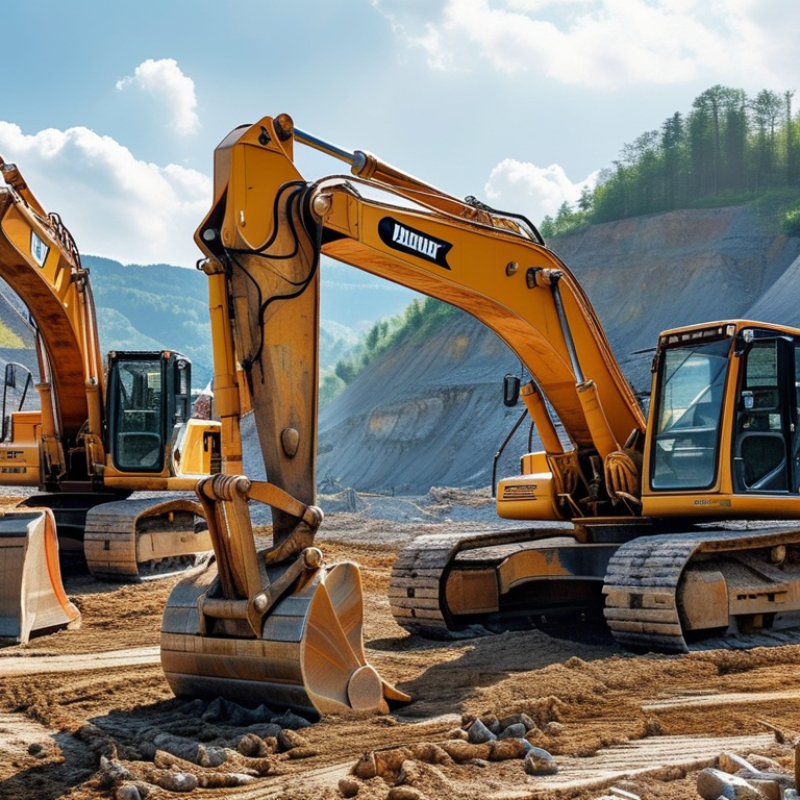
How to Choose PC200-7 PC300-8 in 2026?

Understanding the Key Differences Between PC200-7 and PC300-8

How to Choose PC200-7 PC300-8 in 2026?

Understanding the Key Differences Between PC200-7 and PC300-8

The PC200-7 and PC300-8 occupy different excavator classes, so size should guide the decision. The PC200-7 usually suits roadwork, drainage, utility trenches, and medium-sized foundations. The PC300-8 offers greater operating weight, stronger digging force, and a larger working range. That difference matters on deep cuts, dense clay, and heavy lifting tasks.

In practical fleet assessments, the PC300-8 can move more material per cycle, but its transport demands are higher. It also commonly consumes more fuel when working under constant load. The PC200-7 is easier to position on restricted sites and may reduce hauling costs. Compare hydraulic output, bucket capacity, arm length, and counterweight configuration rather than relying on the model number alone. Specifications can vary by region and attachment.

Measure the worksite.

Check ground bearing pressure, access width, and daily production targets. A larger machine is not automatically better. On a narrow urban project, its extra capacity may remain unused. On a quarry bench, the smaller excavator may require more cycles and suffer higher wear. Inspect the undercarriage, hydraulic leaks, boom cracks, and service records before purchase. Fuel use follows load. Parts availability and technician support should also influence the choice in 2026. I would not treat age alone as a rejection point, though overlooking hidden repairs can be costly. Test both machines under comparable digging conditions whenever possible.

Comparing Performance, Size, Capacity, and Operating Efficiency

How to Choose PC200-7 PC300-8 in 2026?

Comparing Performance, Size, Capacity, and Operating Efficiency

Choosing between the PC200-7 and PC300-8 starts with the worksite, not the model number. The PC200-7 is usually easier to transport and fits tighter urban spaces. Its smaller operating weight can reduce ground pressure and delivery costs. The PC300-8 offers greater digging force and a wider working envelope. It suits deep excavation, quarry loading, and heavy foundation work. Bucket capacity varies by configuration, so confirm the installed bucket before comparing output.

Tips: Check the machine plate, service records, and hydraulic condition. Compare actual bucket size, operating weight, and fuel use. A clean cab does not prove strong performance.

On a typical earthmoving project, the PC300-8 may move more material per cycle. However, its larger engine can consume more fuel during light-duty work. The PC200-7 may deliver better efficiency when trucks, access roads, or lifting limits restrict production. Measure cycle time with a full bucket, not an empty promise. Track fuel use for several working days. My first comparison was too simple. Size alone does not decide productivity.

Operator skill also changes the result. Smooth joystick control reduces unnecessary swinging and idling. Inspect hydraulic response, engine smoke, undercarriage wear, and cooling performance before purchase. In 2026, parts availability and technician support should influence the decision as much as rated capacity. A cheaper machine can become expensive when downtime appears unexpectedly.

How to Choose PC200-7 PC300-8 in 2026? - Comparing Performance, Size, Capacity, and Operating Efficiency

The chart uses the 20-ton class as a 100-point reference. The comparison is based on representative published specifications: approximately 19.7 t versus 30.8 t operating weight, 110 kW versus 180 kW engine power, 0.80 m³ versus 1.40 m³ bucket capacity, and 6.62 m versus 7.38 m maximum digging depth. Operating-efficiency index is calculated from engine power per tonne. Actual figures may vary by configuration, attachment, and working conditions.

Matching Each Excavator to Different Job Types and Worksites

Choosing between the PC200-7 and PC300-8 starts with the worksite, not the model plate. The PC200-7 suits road repairs, drainage, utility trenches, and medium-sized building plots. Its smaller working footprint helps operators move beside fences, houses, and narrow access roads. It also reduces ground disturbance on prepared surfaces.

The PC300-8 is better for deep excavation, quarry loading, large foundations, and heavy earthmoving. Its greater operating capacity supports a larger bucket and longer production cycles. However, its size needs wider haul roads, stronger ground, and more room for tail swing. A muddy corner can quickly become a serious limitation. Measure the entrance, turning area, digging depth, and truck position before choosing.

Bucket selection changes the answer. A narrow bucket improves trench accuracy, while a heavy-duty bucket handles dense soil and broken material. Hydraulic attachment demand matters too. One practical mistake is comparing rated capacity without checking daily fuel use, transport limits, and operator skill. The larger machine may finish sooner, but not always at a lower cost. In tight urban work, the PC200-7 can be more productive because it spends less time repositioning. On open ground, the PC300-8 usually offers stronger output. Site conditions vary, and even experienced planners sometimes underestimate access restrictions. Test the layout on paper first. Real ground is rarely as simple as the plan.

Evaluating Fuel Use, Maintenance Needs, and Ownership Costs

How to Choose PC200-7 PC300-8 in 2026?

Evaluating Fuel Use, Maintenance Needs, and Ownership Costs

Choosing between the PC200-7 and PC300-8 should begin with measured jobsite data, not advertised capacity. The PC200-7 generally suits tighter sites and moderate excavation. The PC300-8 offers stronger output for larger cuts, heavier loading, and longer cycles. That extra capacity can reduce operating hours. It can also increase fuel consumption when the workload is poorly matched.

Track fuel for at least two comparable weeks. Record engine hours, idle time, material type, and daily production. A useful measure is fuel per cubic metre, not litres per hour alone. My first estimate was too optimistic. Frequent repositioning and long idle periods changed the result quickly. Operator habits matter more than many buyers expect.

Maintenance planning separates a cheap purchase from an expensive machine. Inspect hydraulic hoses, swing performance, undercarriage wear, and cooling-system cleanliness before buying. Check service records against hour-meter readings. Parts availability, technician travel, and filter intervals should enter the ownership calculation. A larger excavator may finish work sooner, yet one major hydraulic repair can erase that advantage. Leave room for unexpected downtime. Real costs are rarely perfect. Use local fuel prices, realistic annual hours, and a repair reserve before choosing.

Choosing the Right Model for Your 2026 Project Requirements

How to Choose PC200-7 PC300-8 in 2026?

Choosing between the PC200-7 and PC300-8 depends on your project, not appearance. The PC200-7 suits confined sites, utility trenches, and moderate earthmoving. Its smaller operating size can simplify transport and reduce ground disturbance. The PC300-8 offers greater digging force and bucket capacity for quarry work, deep excavation, and large foundations. More power is useful. It also increases fuel use and transport demands.

Check the machine against daily production targets. A contractor moving 1,000 cubic meters of soil may value the PC300-8’s faster cycle and larger bucket. A drainage project beside narrow roads may benefit from the PC200-7’s easier positioning. Measure access width, soil density, maximum digging depth, and available hauling capacity. Do not rely only on published specifications. Real output changes with operator skill, attachment condition, and weather.

Inspect the hydraulic response carefully. Slow boom movement, uneven tracking, or oil contamination can signal expensive repairs. Review service records, undercarriage wear, engine smoke, and previous attachment use. I once underestimated transport costs on a larger excavator. That mistake reduced the project margin. A spreadsheet should include fuel, maintenance, delivery, and idle-time costs. It should also test both dry and wet-season conditions. Sometimes, the smaller machine wins. A site visit and a short working trial can reveal more than a sales sheet.

CONTACT US