How to Choose Long Lifespan Capacitors for Your Projects?
When selecting capacitors for your projects, understanding Long Lifespan Capacitors is essential. Expert Michael Thompson, a well-respected figure in the electronics industry, states, "Choosing the right capacitor can extend the life of your device significantly." This highlights the importance of making informed decisions.
Long lifespan capacitors are designed for durability and reliability. They are often used in critical applications, such as power supplies and audio equipment. These components can endure harsh environments and fluctuating temperatures. However, selecting the right one requires careful consideration of various factors.
Not all long lifespan capacitors are created equal. It's crucial to assess their specifications, such as voltage rating and capacitance values. Additionally, some options may not perform as expected in real-world scenarios. Understanding your project's specific needs helps in making an informed choice. Balancing durability with performance is key to ensuring long-term success.
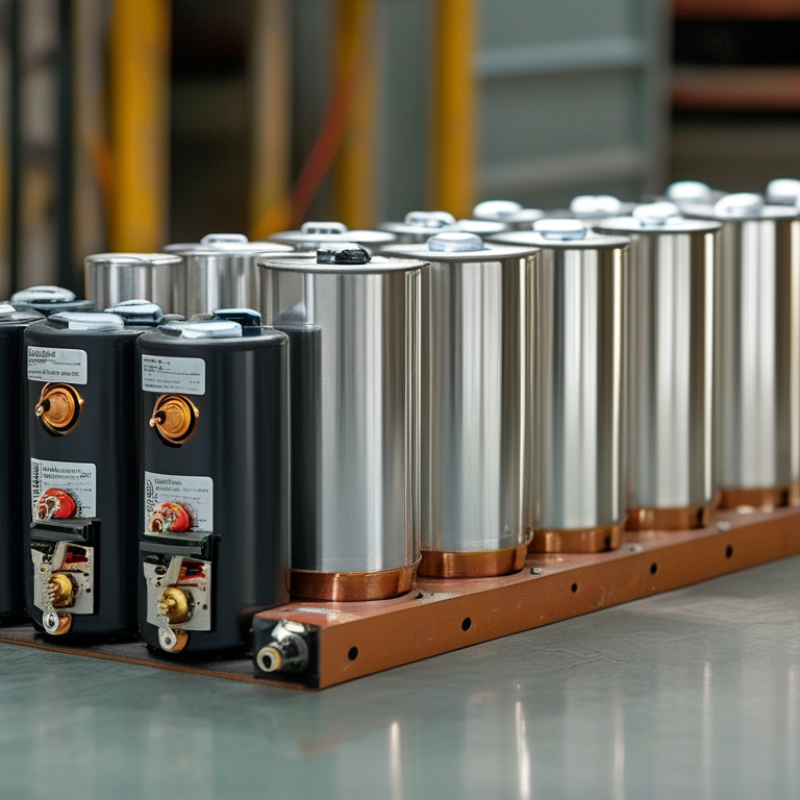
Understanding the Importance of Lifespan in Capacitors
Choosing the right capacitors for your projects entails careful consideration of their lifespan. Lifespan is crucial because it directly impacts reliability and performance. Capacitors that fail prematurely can lead to circuit malfunctions, causing costly repairs or the need for replacements. It’s essential to select components designed for longevity, especially in demanding applications.
Capacitor lifespan varies based on environmental factors. Temperature plays a significant role; higher temperatures can decrease the operational life. You might choose a capacitor rated for high temperature, but you should also evaluate the specifics of your project. Pay attention to voltage ratings and usage conditions. A capacitor used near its maximum voltage may not last as long as one operating well within its limits. These subtleties are vital yet often overlooked.
Reflecting on your project’s needs is key. Sometimes, project constraints lead to compromises on component quality. Choosing a cheaper, lower-quality capacitor might seem appealing, but it can compromise the entire project. Ensure your choices align with both performance and longevity. Keep in mind that investing in high-quality capacitors from the start can save time and resources in the long run.
Capacitor Lifespan Comparison
This chart illustrates the average lifespan of different types of capacitors commonly used in projects. Electrolytic capacitors typically have a lifespan of around 5 years, while film and supercapacitors can last for 20 to 30 years. Understanding these differences can help you make informed decisions in your electronic projects.
Identifying the Different Types of Capacitors for Longevity
Capacitors play a crucial role in electronic projects. Choosing the right type can significantly influence the longevity of your circuit. The lifespan of a capacitor can vary widely among different types. For instance, aluminum electrolytic capacitors typically last between 1,000 to 10,000 hours, while ceramic capacitors can endure much longer, sometimes exceeding 20,000 hours. This highlights the essential nature of selecting capacitors based on their intended application.
Understanding the different types of capacitors is vital. Film capacitors are known for their stability and low leakage current, making them suitable for audio applications. Tantalum capacitors offer high capacitance values but come with more stringent voltage ratings. Their failure rates can be problematic if not properly managed. A 2021 report by a prominent electronics standards organization indicated that improper use of tantalum capacitors could lead to a failure rate upwards of 30% under certain conditions.
Environmental factors must also be considered. Capacitors exposed to high temperatures may degrade faster. A study showed that for every 10°C increase, the lifespan could be halved. This data emphasizes the importance of environmental conditions in extending or reducing capacitor longevity. Adequate thermal management and proper ratings are necessary for reliable performance.
Factors Affecting the Lifespan of Capacitors in Projects
When selecting long lifespan capacitors for your projects, various factors influence their durability. One key element is operating temperature. Capacitors generally have a rated temperature range. Exposing them to heat beyond this range can dramatically decrease their lifespan. Industry studies indicate that for every 10°C increase in temperature, the lifespan of a capacitor can be halved. This emphasizes the need for careful thermal management in design.
Another aspect to consider is ripple current. Oscillating currents can stress capacitors, leading to premature failure. It's crucial to choose capacitors that can handle the expected ripple current in your application. Data shows that exceeding rated ripple current can result in overheating and damage. Always refer to datasheets for specific ratings.
Lastly, the voltage rating is vital. Operating a capacitor near or above its rated voltage can cause dielectric breakdown. Studies suggest that routinely exceeding voltage ratings can reduce lifespan significantly. Ensuring a proper margin between operating and rated voltage enhances reliability. Evaluation of these factors requires expertise and attention to detail. Decisions made without proper consideration can lead to costly project failures.
How to Choose Long Lifespan Capacitors for Your Projects? - Factors Affecting the Lifespan of Capacitors in Projects
| Capacitor Type | Voltage Rating (V) | Capacitance (µF) | Temperature Range (°C) | Estimated Lifespan (Hours) |
| Aluminum Electrolytic | 25 | 220 | -40 to 85 | 2000 |
| Ceramic | 50 | 10 | -55 to 125 | 100000 |
| Tantalum | 16 | 100 | -55 to 85 | 3000 |
| Film | 63 | 1 | -40 to 85 | 50000 |
Evaluating Capacitor Specifications for Extended Durability
When selecting long lifespan capacitors for your projects, it's crucial to scrutinize their specifications carefully. Start by examining the dielectric material. This plays a significant role in determining the capacitor's overall performance and lifespan. Common materials include ceramic, tantalum, and aluminum. Each has its pros and cons. Ceramic capacitors tend to be stable, but may face limitations under high voltages. Tantalum capacitors offer superior stability but come with a higher cost.
Another key factor to assess is the temperature range. Capacitors with a broader temperature tolerance usually provide more reliable operation. They can withstand fluctuations better, which is critical in demanding applications. Additionally, consider the rated voltage. A capacitor should exceed the maximum voltage in your design. Over-specifying can give you an extra safety margin, yet it might increase costs unnecessarily.
Understanding the capacitance value is also essential. You need the right capacitance to maintain circuit performance. If the value is too low, your circuit may not function as intended. Too high a value could lead to inefficiencies. Check the ripple current rating too. Capacitors must handle potential fluctuations without degrading quickly. Balancing these aspects can be tricky, and sometimes what seems optimal on paper might not perform as expected. Be prepared to test different options in real-world conditions to find the best fit for your needs.
Best Practices for Selecting and Implementing Long Lifespan Capacitors
When selecting long lifespan capacitors, several best practices can enhance reliability in your projects. First, consider the application environment. Capacitors in high-temperature settings may experience faster degradation. Research shows that for every 10°C increase, lifespan may halve. Therefore, selecting capacitors rated for higher temperatures can mitigate this issue.
Next, look at the capacitor type. While tantalum and ceramic capacitors often provide longer lifespans, each type has unique attributes. For example, aluminum electrolytic capacitors can be susceptible to leakage, particularly in humid conditions. Choosing capacitors with robust encapsulation can prevent moisture damage. It’s also essential to review reliability data, such as the failure rate reported in industry studies.
Another crucial aspect is derating. Operating capacitors below their maximum voltage can significantly extend their lifespan. An analysis by the Electronic Components Industry Association indicates that derating capacitors can improve longevity by up to 50%. In practice, balancing voltage ratings with actual needs is key to preventing premature failures. Each choice in capacitor selection should stem from careful consideration of application demands and environmental factors.