How to Choose the Best Injection Molding Products for Your Needs?
Choosing the right Injection Molding Product can be a daunting task. With numerous options available, it’s crucial to consider various factors. The material type, design complexity, and production volume all play significant roles in your decision. You need to identify what best suits your project requirements.
Experience and expertise are vital when selecting these products. Understanding the specifications of different Injection Molding Products can lead to better outcomes. A well-informed choice can save time and resources in the long run. Reflect on your project’s needs and research thoroughly before finalizing your decision.
Quality and performance should remain your top priorities. Look for reputable manufacturers known for their reliability. Their previous work and customer feedback can provide valuable insights. Remember, not every product will fit your needs perfectly. Assess your choices critically and make adjustments as necessary.
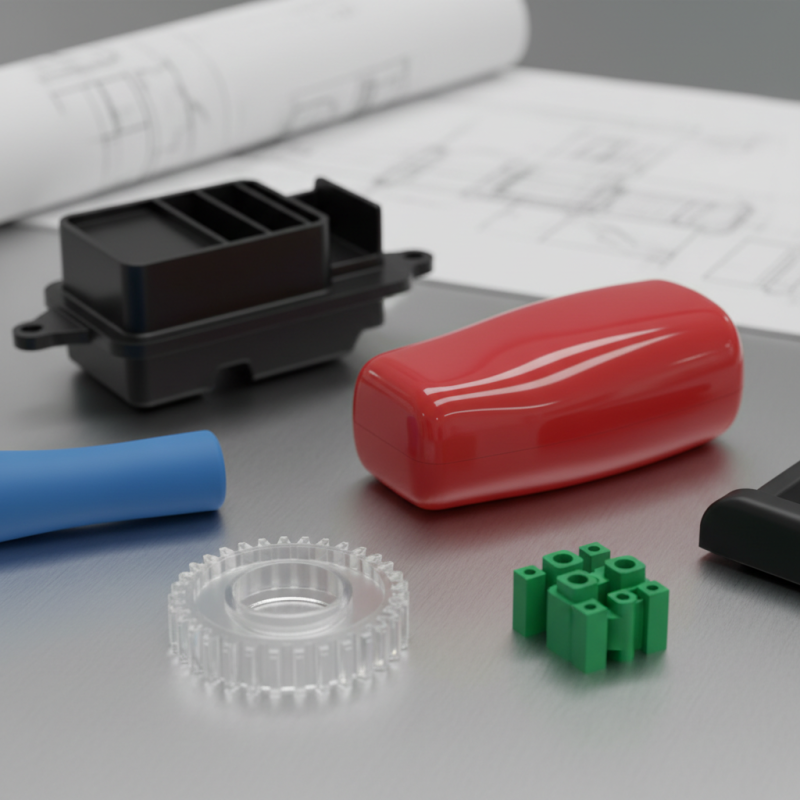
Understanding Injection Molding: Key Concepts and Terminology
Understanding injection molding is crucial in selecting the right products. This manufacturing process involves injecting molten material into a mold. It creates complex shapes efficiently. Key terms to grasp include "mold design," "resin type," and "cycle time." Each term impacts the final product's quality and cost.
When choosing injection molding products, consider the purpose and environment. Think about the material properties. Some resins are strong but brittle. Others are flexible yet less durable. Each choice influences your project's success. Awareness of these factors can guide your selection.
Tips: Research common mold defects. This knowledge helps you identify potential issues. Understand the importance of mold maintenance. Regular checks can extend mold life significantly. Lastly, consult with industry experts to ensure the best choices are made.
Identifying Your Specific Needs for Injection Molding Products
When selecting injection molding products, understanding your specific needs is crucial. Consider factors like material type, production volume, and product design. According to a recent industry report, 42% of manufacturers cite material selection as a key challenge. Identifying your material requirements early can save time and resources.
Tip: Assess the mechanical properties necessary for your application. Common materials include ABS and polypropylene, each with strengths tailored to different uses. Recognizing your application ensures the best material match, leading to better performance.
Another consideration is production volume. Some reports indicate that over 60% of companies struggle to optimize production efficiency. Knowing whether you require small-batch runs or high-volume production influences tooling decisions and overall costs.
Tip: Collaborate with manufacturing experts to evaluate your production needs. This helps in understanding whether to choose standard mold designs or custom solutions. Keep communication open; it allows for adjustments based on process insights. Reflecting on these aspects can enhance your product's viability and manufacturing success.
Evaluating Material Options for Optimal Product Performance
Selecting the right material is crucial for injection molding products. The choice directly impacts durability, aesthetic appeal, and functionality. Common options include thermoplastics, thermosets, and elastomers. These materials offer unique benefits. For instance, thermoplastics are versatile and allow for recycling. However, they might not always meet the performance needs in extreme conditions.
Consider the specific requirements of your product. Factors like temperature resistance, chemical exposure, and strength are vital. Nylon excels in strength and flexibility, making it suitable for various applications. Yet, it can absorb moisture, which affects its performance. On the other hand, polypropylene is resistant to chemicals but may fall short in high-strength scenarios.
Testing prototypes with different materials can reveal unexpected results. Sometimes, the ideal material isn't what you initially expected. Observing how materials behave under real-life conditions is important. Consider the cost of materials too. While some choices may be budget-friendly, they might not offer the longevity needed. Balancing cost and performance is a continuous challenge in product development. Each decision you make shapes the final outcome, so it’s essential to evaluate carefully.
How to Choose the Best Injection Molding Products for Your Needs?
| Material Type | Strength | Flexibility | Heat Resistance | Cost-Effectiveness |
| Polypropylene (PP) | Moderate | High | Up to 100°C | Low |
| Acrylonitrile Butadiene Styrene (ABS) | High | Moderate | Up to 80°C | Moderate |
| Polystyrene (PS) | Low | Low | Up to 70°C | Very Low |
| Polyethylene (PE) | Moderate | High | Up to 60°C | Very Low |
| Thermoplastic Elastomers (TPE) | Moderate | Very High | Up to 80°C | Moderate |
Assessing Manufacturer Capabilities and Quality Standards
When considering injection molding products, the capabilities of the manufacturer play a crucial role. It’s essential to evaluate their production processes. A capable manufacturer should have advanced machinery and experienced staff. Inspect their facility if possible. Look for signs of quality, like cleanliness and organization. This reflects their commitment to producing reliable products.
Quality standards must align with your project needs. ISO certifications are vital indicators. They show that the manufacturer meets specific international standards. Additionally, checking past projects can provide insights into their quality. Note any reviews or testimonials from previous clients. A reliable manufacturer will be open to sharing this information. Transparency is key.
Reflect on your specific requirements. Not all manufacturers will fit perfectly. Some might excel in rapid prototyping, while others might offer better materials. Defining your priorities early will help narrow down your options. Consider engaging in discussions with potential manufacturers. This can clarify their capabilities. Your goal is to find a partner who understands your vision and adheres to high-quality standards.
Comparing Cost Factors and Return on Investment for Molding Products
When evaluating injection molding products, cost is a significant factor. The initial investment often includes machine setup, material expenses, and labor costs. Each of these components can vary widely. Understanding these costs is essential for making informed decisions. Costs may seem manageable in the beginning, but hidden expenses can arise, leading to budget overruns.
Return on investment (ROI) is another crucial aspect. High-quality molds may cost more upfront but can save money in the long run. They typically produce more units and reduce waste, improving overall efficiency. However, a company must analyze projected production runs. Will the initial investment pay off? Sometimes, cutting corners on quality leads to higher long-term expenses.
Choosing the right injection molding products requires careful consideration. Rushing into decisions can result in regrets. Companies should conduct thorough research. Consulting with experts can provide valuable insights. Ultimately, a well-thought-out choice can lead to better financial outcomes and enhanced product quality.
Cost Comparison of Different Injection Molding Materials