How to Choose the Best Crucible for Aluminium Melting at 2026 Canton Fair?
Choosing the right Crucible For Aluminium Melting is crucial for manufacturers. The 2026 Canton Fair presents a unique opportunity for industry professionals. With over 1.5 million square meters of exhibition space, various crucible options will be showcased. Recent market reports indicate that the aluminium casting industry is expected to grow substantially, driven by advancements in manufacturing techniques.
At the fair, buyers can effectively utilize AI-driven tools to narrow down their choices. Skilled professionals can filter suppliers based on key certifications, like ISO and CE. This approach enhances decision-making and optimizes resources. However, the abundance of choices may also lead to indecision.
It’s important to consider factors like material composition, thermal shock resistance, and size when selecting a crucible for aluminium melting. Selecting a high-quality crucible can improve casting efficiency and reduce waste. Yet, not all options may meet specific melting needs. Reflecting on industry experiences can guide better choices at the fair.
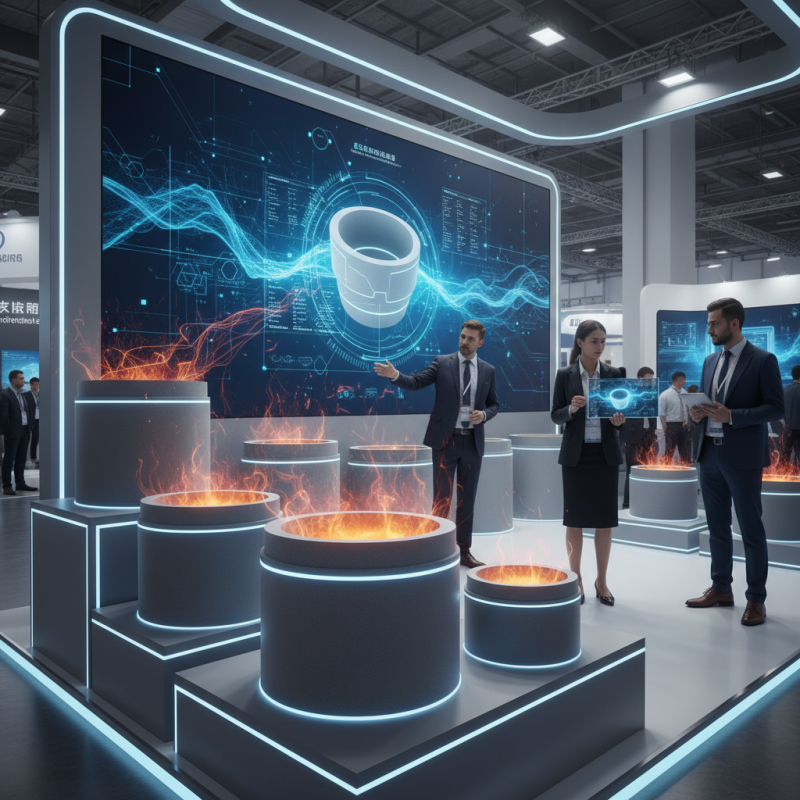
Factors to Consider When Choosing a Crucible for Aluminium Melting
When selecting a crucible for aluminum melting, several critical factors must be evaluated. The crucible material is paramount. Common choices are clay graphite or silicon carbide. Each offers distinct thermal properties and durability. The melting point of aluminum is approximately 660°C. Thus, crucibles must withstand high temperatures without degrading.
Another factor is the crucible shape and size. The interior volume should match your melting needs. A larger crucible allows for higher quantities but may require more energy. Studies show that energy efficiency is key in aluminum processing. The right size minimizes energy waste during melting. Crucibles also need to have good thermal conductivity. This ensures even heat distribution, preventing hot spots and material waste.
Cost considerations cannot be overlooked. Higher quality crucibles may have a steeper price. However, their lifespan often justifies the initial investment. A report from the Aluminum Association highlights that proper equipment can reduce operational costs by up to 20%. Choosing wisely means balancing quality and budget. It’s essential to assess specific melting tasks and future requirements to avoid poor decisions in the long run.
Types of Crucibles Suitable for Aluminium Melting
When selecting a crucible for aluminium melting, various types are available. Each type has unique benefits and drawbacks. Ceramic crucibles are popular. They withstand high temperatures well. However, they can crack if heated too quickly. This requires careful heating practices.
Graphite crucibles are another excellent option. They have good thermal conductivity. This can lead to faster melting times. On the downside, they may react with some alloys. This gives varying results, which can be frustrating. Steel crucibles are durable and resistant to warping. However, they can rust. Proper maintenance is crucial to extend their lifespan.
Consider the specific use case when choosing a crucible type. Each material offers different advantages. Reflect on past experiences with melting aluminium. Did you face issues like contamination? Choosing the wrong crucible can lead to poor results. Thus, understanding each option is vital. Your choice will significantly influence the melting process.
Material Selection: Best Choices for Aluminium Crucibles
Choosing the right material for aluminium crucibles is essential for efficient melting. Refractory materials like alumina and zirconia are popular choices. They withstand high temperatures well and resist chemical reactions. However, they can be costly and may not be necessary for all applications.
Another key option is graphite. It has excellent thermal conductivity and can handle repeated heating cycles. Yet, getting the right mix of durability and thermal efficiency is tricky. Graphite can degrade faster than expected if proper care isn’t taken during use. This inconsistency requires users to constantly evaluate their equipment and conditions.
Silica crucibles are cost-effective alternatives, offering good thermal stability. They are lightweight and easier to handle. However, they may not endure as long under extreme conditions. Regular inspections become crucial to ensure the crucibles meet the demands of aluminium melting. Each material has its pros and cons, making the selection process more complex than it seems.
Sizing and Capacity Considerations for Crucibles
When selecting a crucible for aluminum melting, sizing and capacity are crucial factors. A crucible’s size affects how much aluminum can be melted at once. It is essential to choose a crucible that suits your melting needs. Common sizes range from small 1-liter options to larger 10-liter variants. Consider how much material you typically work with. Too small a crucible may lead to inefficiencies.
Capacity also plays a pivotal role in achieving your production goals. If you often experience delays, a larger crucible may be necessary. However, bigger is not always better. Larger crucibles can take longer to heat and might waste energy. Finding the balance between size and efficiency is vital.
In workshop settings, temperature stability is another factor to think about. Some crucibles may not handle extreme temperatures well. Research the melting points of different aluminum alloys as they vary. A mismatch can lead to cracks or worse, accidents. Often, discussions about size ignore the actual melting environment, which is fundamental. Be mindful of your specific melting conditions and adjust your choice accordingly.
Crucible Sizing and Capacity for Aluminium Melting
Maintenance Tips for Longevity of Aluminium Melting Crucibles
Selecting the right crucible for aluminum melting is crucial. However, proper maintenance can significantly extend its lifespan. Regularly inspect your crucible for cracks or wear. Even small imperfections can lead to larger failures. A visual check helps in early detection.
Cleaning is vital. After each use, remove any residue. Use appropriate tools to scrub gently. Avoid harsh chemicals that can damage the surface. Proper storage is also important. Keep the crucible in a dry place to prevent moisture accumulation. Moisture can weaken the material over time.
Consider the temperature fluctuations during heating and cooling. Rapid changes can cause stress on the crucible. Allow for slow cooling whenever possible. This method minimizes the risk of cracking. Longevity requires attention and care. Reflect on your maintenance routine often. Simple practices can make a significant difference in the crucible's life.