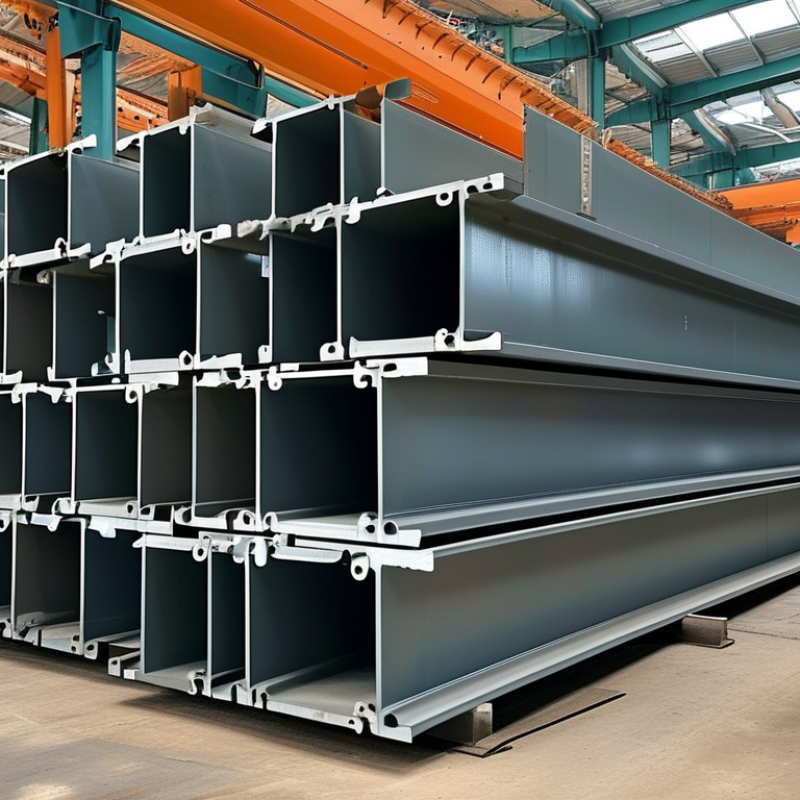
How to Choose Steel Structure Components for Global Sourcing?
Choosing the right Steel Structure Components is crucial for any construction project. The global market offers various options, but selecting the best can be challenging. Factors such as quality, cost, and supplier reliability must be considered.
Steel Structure Components come in multiple forms. Each type has its own benefits and drawbacks. For instance, prefabricated units can speed up construction but may come with higher shipping costs. Local sourcing might reduce expenses but limit options.
It's vital to evaluate potential suppliers thoroughly. Look for certifications and past performance records. Reading reviews can offer insights into their reliability. Don't underestimate the importance of communication. Clear dialogue can prevent misunderstandings and ensure that the chosen components meet project requirements. Reflecting on these aspects will lead to better decision-making in sourcing steel components globally.
Understanding Key Steel Structure Components for Global Sourcing
When choosing steel structure components for global sourcing, it's essential to understand the key elements involved. Different components can dramatically affect a project’s quality and durability. For instance, beams, columns, and joints are fundamental components. The design and material specifications of these elements should align with local standards and regulations. However, the sourcing process can sometimes lead to discrepancies in quality control due to varying manufacturing practices.
Transporting steel components across borders adds complexity. Ensuring structural integrity during transit is crucial. Delays can occur, affecting timelines and costs. Engaging local engineers or inspection teams can maintain compliance and ensure safe handling. It's also wise to consider the sourcing location. Different regions might offer varying quality levels and lead times, which can lead to unexpected challenges in supply chain management.
Understanding the long-term implications of your choices is vital. Not all components will meet the project's future demands. Regular assessment of maintenance needs and potential upgrades can save costs later. It’s important to build relationships with suppliers who can provide reliable information. Market insights can guide your decisions, but nothing beats firsthand experience combined with expert advice.
Assessing Material Quality Standards in the Steel Industry
In the steel industry, material quality standards are crucial for global sourcing. According to the World Steel Association, approximately 1.9 billion tons of steel were produced globally in 2021. The demand for high-quality steel is escalating, driven by infrastructure and construction projects. This rising need makes assessing material standards more important than ever.
When sourcing steel components, identifying the right quality standards can be challenging. It is essential to consider factors like tensile strength, corrosion resistance, and chemical composition. Many suppliers claim to meet or exceed industry standards, but not all fulfill these assertions. A report from the American Society for Testing and Materials (ASTM) indicates that up to 30% of steel products may not comply with specified standards. This statistic underscores the importance of meticulous verification.
Beyond compliance, evaluating the durability and performance of materials is critical. Poor quality materials can result in failures, leading to costly repairs and project delays. However, the quest for the highest quality might not always align with budget constraints. Companies often find themselves balancing cost efficiency with quality assurance, which requires careful planning and decision-making. Regular audits and supplier assessments can mitigate risks and ensure that sourcing aligns with project requirements.
Evaluating Supplier Credentials and Compliance Certifications
When sourcing steel structure components globally, evaluating supplier credentials is essential. Start by reviewing their certifications. Look for ISO or other relevant standards. These certifications can indicate a supplier’s commitment to quality and safety.
Consider their track record. A supplier with experience in your region could be more reliable. Research their past projects. Are they similar in scale and complexity to yours? This insight can reveal how well they may perform on your project.
**Tips**: Don't hesitate to ask for references. Clients’ feedback can provide clarity about their reliability. Check for any compliance issues in past projects. Understanding their challenges can help you make informed decisions. A thorough evaluation helps you find trustworthy suppliers. Keep in mind that a lack of transparency may signal potential risks. Always seek clarity before moving forward.
How to Choose Steel Structure Components for Global Sourcing?
| Component Type | Supplier Country | ISO Certification | Compliance Certificates | Lead Time (weeks) |
| Steel Beams | China | ISO 9001 | CE, ASTM A36 | 8 |
| Steel Columns | India | ISO 14001 | TISI, ASTM A992 | 10 |
| Steel Plates | Germany | ISO 45001 | DIN 17100 | 6 |
| Steel Frames | USA | ISO 9001 | AISC, AWS D1.1 | 12 |
| Reinforcement Bars | Turkey | ISO 9001 | BS, ASTM A615 | 9 |
Analyzing Cost Factors and Economic Trends in Global Sourcing
Global sourcing for steel structure components requires a deep understanding of cost factors and economic trends. Prices fluctuate due to supply chain issues, labor costs, and material availability. Evaluating suppliers involves comparing their locations and production capabilities. A factory in a region with lower labor costs may seem cheaper. However, hidden costs like shipping and tariffs can surge total expenses.
Economic trends impact the demand for steel components. Global infrastructure projects influence market prices. Countries investing in construction see higher demand, affecting costs. It’s crucial to monitor market conditions. Changes in trade policies can lead to unexpected shifts.
While sourcing, consider your budget and quality requirements. A low-cost option today may lead to higher maintenance later. Each partner should be assessed for reliability. Not all suppliers can deliver consistently. Take the time to build strong relationships and evaluate past performance. Be aware that the cheapest choice is not always the best choice.
Cost Factors in Steel Structure Components Sourcing
Identifying Logistics and Supply Chain Considerations for Steel Components
In the realm of global sourcing for steel components, logistics and supply chain considerations are paramount. Selecting the right materials entails understanding their journey from production to end-use. Efficient supply chain management ensures that these components reach their destination without delay. Factors like shipping routes, customs regulations, and local infrastructure affect turn-around times. Conducting a risk assessment helps identify potential hiccups in the process.
Logistics can be complex due to varying standards in different countries. In some regions, delays may occur due to stringent customs checks or documentation issues. This unpredictability requires continuous communication with suppliers to stay updated. Additionally, having multiple suppliers can mitigate risks caused by geopolitical tensions or market fluctuations. Flexibility is vital, allowing for adjustments based on real-time conditions.
Understanding the local market dynamics is crucial. For instance, sourcing steel from regions with unstable political climates could pose risks. Engaging with suppliers that have a strong track record can build trust. However, evaluating only price might lead to overlooking essential quality factors. This also raises questions about transparency in the sourcing process. Balancing cost with quality and reliability often leads to more sustainable choices.