Why Choose Plastic Injection Molds for Your Manufacturing Needs?
In today's competitive manufacturing landscape, the choice of production methods is crucial. Many industries rely heavily on Plastic Injection Molds. This technique offers efficiency and precision. According to recent reports, the global injection molding market is projected to reach $341.6 billion by 2026, growing at a CAGR of 4.5%. This growth signals a rising demand for quality manufacturing processes.
Plastic Injection Molds provide high-volume production and intricate designs. They enable manufacturers to create complex parts with minimal waste. Yet, not all producers utilize this technology effectively. Some struggle with design flaws and inefficiencies that can hinder production. It is essential to consider factors such as material selection and mold design.
Companies must balance the benefits of Plastic Injection Molds with potential challenges. Quality control and maintenance are key. Investing in skilled personnel and technology can mitigate risks. In conclusion, the choice of Plastic Injection Molds can drive success, but it requires careful planning and execution.
Advantages of Plastic Injection Molding in Manufacturing
Plastic injection molding offers significant advantages in manufacturing. This process allows for the mass production of parts with intricate designs and precise dimensions. According to industry reports, over 30% of manufacturing businesses prefer injection molding for its efficiency. The capability to produce complex shapes reduces the need for assembly. This means less labor and lower costs.
Additionally, plastic injection molds have a faster turnaround time compared to other methods. Parts can be produced within minutes, drastically boosting productivity. A study by the Society of Plastics Engineers shows that production cycles can be reduced by up to 50%. This speed can fulfill immediate market demands without compromising quality.
However, there are challenges. Designing molds requires expertise. A poorly designed mold can lead to defects, increasing waste. Industry data suggests that about 10-15% of produced items are often rejected due to quality issues. Manufacturers must invest time in mold testing and iteration. Despite these hurdles, the benefits of precision and speed often outweigh the initial costs and potential flaws.
Why Choose Plastic Injection Molds for Your Manufacturing Needs? - Advantages of Plastic Injection Molding in Manufacturing
| Advantage | Description | Applications |
| High Efficiency | Plastic injection molding offers rapid production rates, allowing for the quick manufacturing of parts. | Automotive Parts, Electronics Housing |
| Design Flexibility | Molds can create complex designs with precision, accommodating various shapes and sizes. | Consumer Goods, Medical Devices |
| Material Variety | A wide range of plastic materials can be used, including thermoplastics and thermosetting plastics. | Packaging, Construction |
| Cost-Effectiveness | Reduced production costs per unit when using high-volume production runs. | Mass Production, Toys |
| Consistency and Quality | Ensures uniformity and high-quality parts with minimal variations. | Appliances, Industrial Components |
Types of Plastic Injection Molds and Their Applications
Plastic injection molds come in various types, each suited for specific applications. For instance, cold runner molds help minimize waste and are often used for small parts. They allow efficient, low-cost production. Hot runner molds, however, are more complex. They keep the plastic molten, which is great for larger items. Yet, they require higher investment and maintenance.
The choice of mold directly affects production efficiency. According to industry reports, up to 80% of manufacturers report increased productivity with the right mold. This often translates to reduced cycle times and lower material costs. Both manufacturing speed and cost savings are vital in competitive industries.
However, not all molds are perfect for every project. Some designs could lead to imperfections. For example, complex geometries may hinder the flow of plastic. This can result in defects such as short shots or sink marks. Understanding these flaws is crucial in making informed decisions. Each type of mold has its trade-offs. Balancing cost, efficiency, and quality is an ongoing challenge in the manufacturing process.
Cost Efficiency: How Injection Molding Reduces Manufacturing Expenses
Plastic injection molding is a pivotal choice for many manufacturers. It remarkably reduces production costs, achieving high efficiency. By utilizing this method, manufacturers can create complex designs with less material waste. Fewer resources are consumed, which directly translates to lower expenses.
One key tip is to conduct thorough design evaluation before production. A well-thought-out design minimizes errors and changes that can drive up costs. Additionally, consider optimizing your molds for easier maintenance. Simplifying mold design can prevent expensive downtime and ensure smoother operations.
Be mindful of production scales. Small runs may not benefit as much from injection molding. It’s essential to assess your needs. While upfront costs can be high, the long-term savings are significant. Investing wisely in injection molds could yield remarkable returns.
The Process of Plastic Injection Molding Explained
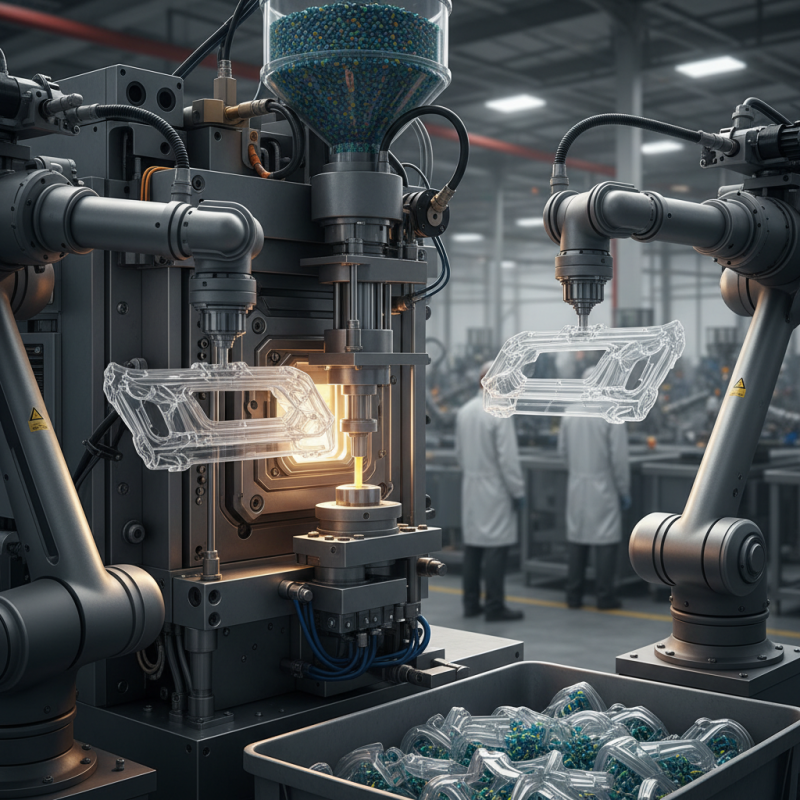
Plastic injection molding is a widely used manufacturing process. It involves injecting molten plastic into a mold to create specific shapes. The process starts with melting plastic pellets. These pellets are heated until they become liquid. Then, the liquid plastic is injected into a mold under pressure. This allows for precision in crafting complex designs. Once cooled, the mold is opened to reveal the finished part.
Tips: Ensure the mold is adequately maintained. Regular checks can prevent mishaps. Even minor flaws can lead to significant issues in production quality.
The molding process is efficient and cost-effective. High-volume production is possible with minimal waste. Still, the design of the mold must be meticulously planned. Even slight miscalculations can lead to defects. It's crucial to collaborate closely with engineers during the design phase.
Tips: Consider the end-use of the product when designing. Understanding the application helps in selecting the right materials. This can influence the longevity and performance of the final piece.
Plastic injection molding can also accommodate various materials. However, not all plastics are suitable for every application. This adds complexity to the decision-making process. A thorough assessment is necessary to avoid costly mistakes.
Choosing the Right Material for Plastic Injection Molds
When selecting materials for plastic injection molds, several factors come into play. Thermoplastics, for instance, are popular due to their versatility. They can be molded repeatedly and often exhibit excellent characteristics such as durability and lightweight. However, not all thermoplastics are created equal. Some might not withstand high temperatures or chemical exposure. This can lead to failures, necessitating revisions in production.
Another option is thermosetting plastics. These materials harden permanently after molding. While they offer good structural integrity, they can be less adaptable. It’s crucial to analyze your project requirements closely. Some applications may require special grades of materials to match performance expectations. Inadequate material choices can impair product quality or increase costs through wastage and rework.
It’s equally important to consider environmental impact. Many manufacturers overlook this aspect. Using biodegradable materials may guide a more sustainable approach. But, these materials can also come with trade-offs in terms of strength or durability. Careful consideration is essential to balance performance and environmental goals. Reflection on final choices might reveal underlying challenges in mold manufacturing.