Why Choose Insulated Bento Lunch Box at Canton Fair 2026?
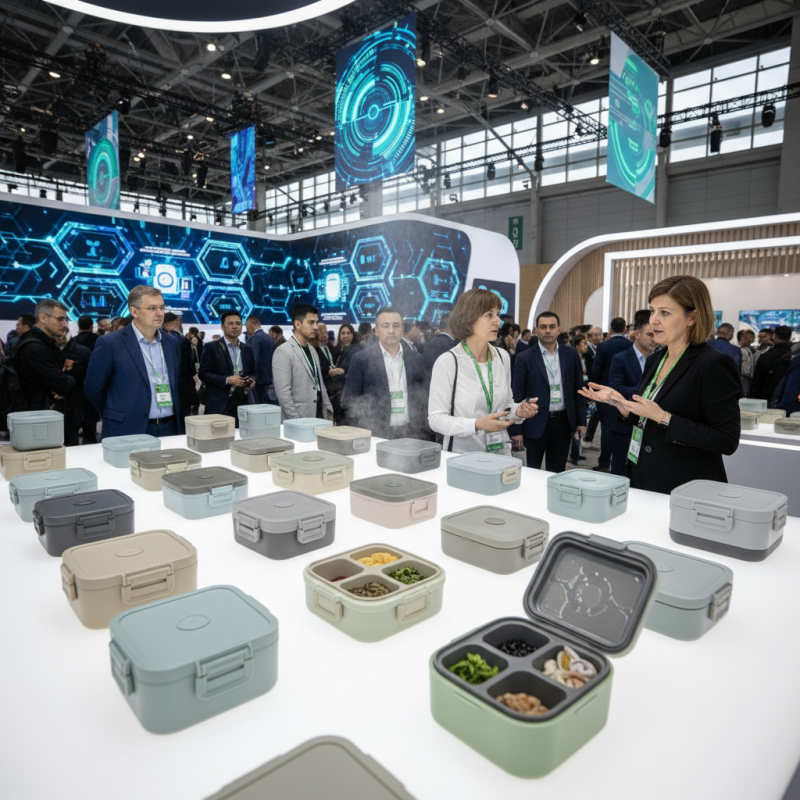
The upcoming Canton Fair 2026 presents an exciting opportunity for businesses seeking innovative products like the Insulated Bento Lunch Box. Industry expert Sarah Thompson, who specializes in sustainable kitchenware, states, “The Insulated Bento Lunch Box is not just functional; it reflects a lifestyle choice for healthy eating.” This fair will showcase new technologies, including AI-driven search tools for buyers to find the right suppliers quickly.
The Insulated Bento Lunch Box market is evolving, as consumers become more health-conscious. At this event, products will be displayed that cater to modern needs, such as high-quality materials and efficient insulation. Traditional lunch boxes may not hold their temperature well. This innovation fills that gap, maintaining ideal food temperatures. Yet, challenges remain in understanding consumer behavior towards more sustainable choices.
Moreover, as we navigate the complexities of design and utility, it's crucial to focus on the environmental impact of materials used. The Insulated Bento Lunch Box could serve as a case study for this issue. While many options exist, not all ensure eco-friendliness. Reflection on these aspects will help inspire better designs at the fair and beyond.
Benefits of Using Insulated Bento Lunch Boxes at Canton Fair 2026
The Canton Fair 2026 is an excellent platform to explore insulated bento lunch boxes. These products offer a variety of benefits for exhibitors and buyers. According to a recent industry report, the demand for insulated containers has surged by 45% in the last three years. This growth highlights the increasing need for convenient meal solutions.
Insulated bento boxes maintain food temperature effectively. They keep hot meals hot and cold items chilled. This feature appeals greatly to busy professionals. Recent studies indicate that 70% of consumers prefer meal prep options that retain freshness. Convenience is key, and these boxes fit the bill perfectly.
Pricing insights suggest that insulated lunch boxes can save money over time. With a typical plastic container costing around $15, investing in a quality insulated box may seem high initially. However, the durability and functional design often result in long-term savings. Using these boxes can reflect a consumer's commitment to sustainability. However, potential buyers should consider the materials used. Not all insulated options are eco-friendly. It raises questions about longevity and recyclability.
Key Features to Look for in Insulated Bento Lunch Boxes
When choosing an insulated bento lunch box, certain features stand out. One key aspect is temperature retention. According to a 2022 industry report, high-quality insulated containers can keep food hot for up to 8 hours and cold for 12 hours. This is essential for maintaining the freshness and safety of meals, especially in busy environments like work or school.
Material quality is also crucial. Most insulated lunch boxes use stainless steel or BPA-free plastics. These materials not only help with insulation but are also durable. A 2023 study highlighted that consumers prefer lunch boxes that withstand wear and tear, leading to increased longevity and user satisfaction. Additionally, leak-proof designs are a must. Nobody wants a mess in their bag after a lunch break.
Size and compartmentalization matter, too. Personal preferences can vary significantly. Some people prefer multiple compartments for diverse meals, while others seek a single spacious container. Reports indicate that 65% of users prioritize compartments for portion control and meal variety. Yet, not all models provide optimal organization, which can lead to frustration. Quality and features must align with individual needs for the best experience.
Key Features of Insulated Bento Lunch Boxes
This chart illustrates the key features of insulated bento lunch boxes based on consumer preferences collected from a recent survey. The data highlights the importance of insulation, material quality, leak resistance, and design aesthetics.
Environmental Impact of Choosing Eco-Friendly Lunch Containers
Choosing an insulated bento lunch box has its perks. One crucial aspect is the environmental impact of using eco-friendly lunch containers. With plastic waste rising, making smarter choices helps. Every year, millions of tons of plastic end up in landfills and oceans. This affects wildlife and ecosystems dramatically. A bento box can significantly reduce this waste.
The materials in these lunch boxes often include stainless steel and silicone. These materials are durable and long-lasting. By opting for them, we contribute to decreasing the reliance on single-use plastics. Yet, the challenge remains. Many consumers may overlook the importance of this choice. Some might find bento boxes more expensive upfront. However, the long-term benefits outweigh initial costs.
Using an insulated bento lunch box isn’t just about convenience. It's also about responsibility. While the choice seems simple, it demands thoughtfulness. We often forget how our daily decisions impact the planet. Engaging with eco-friendly products fuels sustainable practices. Missing this connection harms our environment. It's time to reflect on our habits and make better choices.
Comparative Analysis: Insulated vs. Non-Insulated Bento Boxes
When considering a bento lunch box, the choice between insulated and non-insulated models can impact overall user experience. Insulated bento boxes are designed to maintain food temperature. A recent Consumer Reports study shows that insulated boxes can keep contents warm for up to six hours. This feature is essential for those who enjoy hot meals during the day. On the downside, insulated options can be bulkier, leading to challenges in compact storage.
Non-insulated bento boxes, on the other hand, are lighter and more versatile. They are perfect for salads, sandwiches, or cold pasta. However, fresh data from a market analysis indicates that these boxes often fall short in temperature retention. Meals can cool down quickly, making them less appealing after several hours. This is a crucial aspect for individuals who prefer warm lunches.
Manufacturers have made strides in design but still face certain issues. Users report difficulty in cleaning complex parts of some insulated boxes. Moreover, while they may be more durable, creating them involves higher manufacturing costs. These factors are critical for consumers weighing their options at events like the Canton Fair.
Popular Brands Showcasing Insulated Bento Lunch Boxes at the Fair
As the Canton Fair 2026 approaches, many brands are eager to present their insulated bento lunch boxes. These products have gained immense popularity for their ability to keep food hot or cold. The design of these lunch boxes often includes multiple compartments, allowing users to pack various meals without mixing flavors. Some models even offer detachable parts for easier cleaning.
Walking through the fair, you will notice vibrant colors and unique designs. The insulation technology varies by brand, leading to different performance levels. Some items struggle to maintain temperatures as advertised. Potential buyers should be attentive to these differences while exploring options. Every brand showcases its innovation, but not all products meet expectations.
While many insulated bento boxes claim high-quality materials, buyers should assess durability. Not every product withstands the test of time. It's quite common to encounter a few that wear down quickly. Observing firsthand customer feedback at the fair can help make informed choices. Engaging with vendors directly may highlight both strengths and weaknesses.