
Why Choose Carbon Steel Pipe for Your Next Project?
When considering materials for construction and infrastructure, the choice of pipe can significantly influence the success of a project. "Carbon Steel Pipe is an excellent option for strength and durability," says John Smith, a renowned expert in the oil and gas industry. His insights highlight the reliability of carbon steel in various applications. This type of pipe offers impressive tensile strength, making it ideal for heavy-duty tasks.
Beyond its strength, carbon steel pipe stands out due to its versatility. It can handle extreme temperatures and pressures, which is crucial in many industries. Many projects may have specific requirements for materials; carbon steel often meets these needs seamlessly. However, understanding the nuances of carbon steel is important. It’s not always the easy choice. Improper handling or installation can lead to issues.
Adopting carbon steel pipe requires careful evaluation of project demands and environmental factors. It may seem straightforward, but the complexity can be overlooked. Choosing the right materials often defines a project's overall success, making informed decisions vital. Carbon steel pipe is a robust solution, but it demands respect in its application.
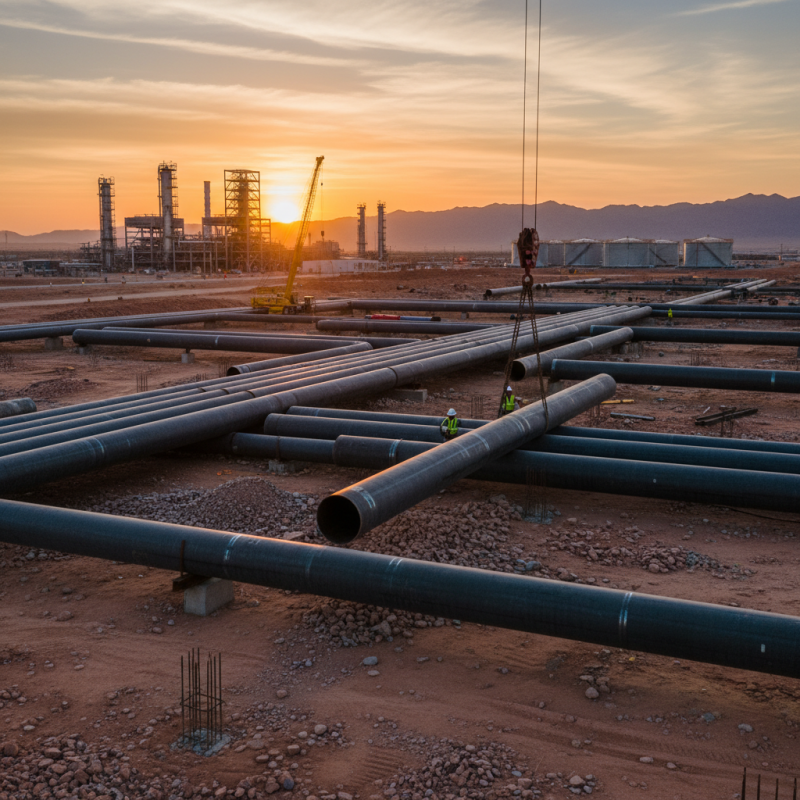
Benefits of Carbon Steel Pipe in Construction and Infrastructure Projects
When considering materials for construction and infrastructure projects, carbon steel pipe stands out for several reasons. It is durable and can handle high pressure, making it ideal for various applications. Carbon steel offers great tensile strength, allowing it to withstand heavy loads. This characteristic is vital for projects like bridges and industrial buildings.
One important benefit of carbon steel pipe is its cost-effectiveness. It is generally less expensive than other materials, providing good value. However, it may require regular maintenance to prevent rust and corrosion. This aspect might be overlooked during the initial phases of a project.
Tips: Always assess the environment where the pipe will be installed. If the area is prone to moisture, consider investing in protective coatings. Researching local suppliers can also yield better prices and availability.
Additionally, carbon steel is recyclable, which supports eco-friendly practices. Using recycled materials can significantly reduce project costs and environmental impact. But, ensure that the recycled steel meets quality standards. This can sometimes be a tricky balance between sustainability and structural integrity.
Why Choose Carbon Steel Pipe for Your Next Project? - Benefits of Carbon Steel Pipe in Construction and Infrastructure Projects
| Benefit | Description | Typical Applications |
|---|---|---|
| High Strength | Carbon steel pipe offers excellent tensile strength, making it suitable for high-pressure applications. | Oil and gas pipelines, structural supports |
| Cost-Effective | Carbon steel is relatively inexpensive compared to other materials like stainless steel. | Construction frames, water supply systems |
| Durability | Resistant to deformation and wear, making it long-lasting even under harsh conditions. | Bridges, heavy machinery components |
| Versatility | Can be manufactured in various sizes and thicknesses for different applications. | Industrial piping, scaffolding |
| Weldability | Easily welded to create strong joints for complex structures. | Constructing frames, pipelines |
Comparative Analysis: Carbon Steel Pipe Versus Other Materials
When considering materials for piping, carbon steel often stands out. Its strength and durability make it a common choice. However, it’s important to compare it with alternatives like PVC, copper, and stainless steel. Each material has its pros and cons.
Carbon steel pipes excel in high-pressure applications. They resist deformation under heavy loads, providing reliability in demanding environments. In contrast, PVC is lightweight and corrosion-resistant but lacks the strength needed for high-stress applications. Copper offers excellent thermal conductivity. Yet, it can be expensive and may not suit all projects. Stainless steel is highly resistant to corrosion but comes with a higher price tag.
Not every project requires carbon steel. Some situations warrant lighter materials for cost-saving. Choosing the right pipe material depends on specific project needs. It requires careful consideration and sometimes reevaluation. Every material serves its purpose well, but the best choice hinges on the application. Understanding these nuances can guide better decisions.
Durability and Strength: Why Carbon Steel is a Preferred Choice
When considering the materials for construction projects, carbon steel pipe stands out due to its remarkable durability and strength. Carbon steel is a versatile option that withstands high pressure and extreme temperatures. This makes it ideal for a variety of applications, including plumbing and structural support. In fact, its toughness ensures that it can handle significant wear and tear over time.
The manufacturing process of carbon steel pipes contributes to their reliability. The material is usually produced with a carbon content that enhances its hardness without compromising flexibility. However, it's essential to note that while carbon steel is generally resistant to corrosion, it may require protective coatings in certain environments. This aspect calls for careful planning and assessment, as neglecting it could lead to premature degradation.
Choosing carbon steel means opting for materials that provide long-lasting solutions. Its ability to support heavy loads and resist deformation under stress makes it a trustworthy option. Yet, the decision should involve considering project-specific conditions. Reflecting on factors such as exposure to moisture and future maintenance can inform whether carbon steel is indeed the best choice for your needs.
Cost-Effectiveness of Carbon Steel Pipe for Long-Term Use
When considering materials for infrastructure projects, carbon steel pipe stands out for its cost-effectiveness.
This type of pipe can endure high pressures and extreme temperatures. It is often the material of choice in construction, oil, and gas industries. Its durability translates into fewer replacements over time, leading to significant savings in both materials and labor costs.
Using carbon steel pipe also helps in minimizing maintenance expenses. Its resistance to corrosion can reduce the need for protective coatings, which can be quite costly.
However, one must consider that it might require more initial investment compared to other materials like PVC. Yet, over the lifespan of a project, the long-term benefits often outweigh the initial costs. Issues may arise if not properly installed or maintained, so a careful approach is essential.
The versatility of carbon steel pipe cannot be overlooked.
It adapts well to various applications, making it a popular choice. While it does have some limitations, its strong performance under demanding conditions is impressive. Thoughtful consideration of project requirements can help in deciding if carbon steel is the right fit.
Reliable sources and industry experience suggest that when evaluated, carbon steel pipe often delivers valuable returns over the project's lifespan.
Applications and Industries that Rely on Carbon Steel Pipe Solutions
Carbon steel pipes are vital in various applications. Industries such as construction, automotive, and oil and gas heavily rely on their strength and durability. According to a recent market report, carbon steel pipes account for over 50% of the global pipe market. This indicates their widespread use in different sectors.
Certain projects, like pipeline installations and structural frameworks, benefit immensely from carbon steel's properties. The American Society of Mechanical Engineers states that carbon steel pipes can withstand high pressure and temperature. They adapt well to different environments, making them suitable for both indoor and outdoor applications.
**Tip:** Always assess the specific needs of your project. Consider factors like temperature fluctuations and pressure levels. Sometimes, the choice between carbon steel and other materials isn't obvious. Understanding these details can lead to more effective and long-lasting installations.
Applications and Industries that Rely on Carbon Steel Pipe
Carbon steel pipes are essential across various industries due to their strength and reliability. The chart above illustrates the percentage of usage in different applications such as construction, oil & gas, automotive, manufacturing, water supply, and chemical processing.