How to Choose the Best Robot Barista for Your Business?
In the evolving landscape of coffee service, selecting the right Robot Barista is crucial for success. Renowned roboticist Dr. Emma Carter, an expert in automation technology, emphasizes, “Choosing a Robot Barista means understanding both your coffee needs and customer expectations.” The industry is rapidly changing, with consumers seeking unique experiences alongside their caffeine fix.
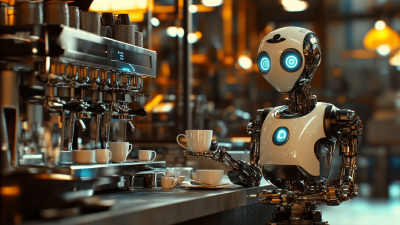
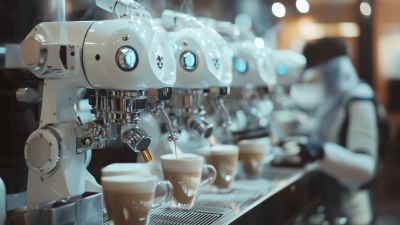
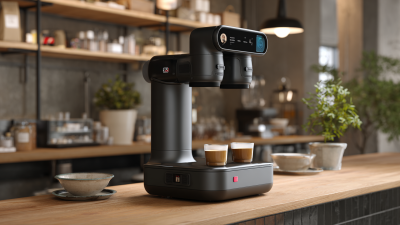
A Robot Barista can enhance efficiency and consistency in your business. Imagine a sleek machine expertly crafting lattes while reducing wait times. However, not every model fits every coffee shop. Consider your brand identity and target market. Some machines might excel in high-volume environments but falter in finesse, leaving customers yearning for better flavors.
Investing in a Robot Barista requires careful thought. Will it connect with your clientele? Can it adapt to seasonal changes in drink preferences? Thoughtful selection can elevate your establishment. However, if you rush the decision, you might end up with a model that does not meet your expectations. Balancing innovation with practicality is key in this exciting venture.
Understanding Your Business Needs for a Robot Barista
When considering a robot barista for your business, understanding your specific needs is crucial. What type of beverages will you serve? How much volume do you expect daily? These questions help you identify the right features for your robot.
Tips for assessing your business needs: explore the types of drinks your customers prefer. Consider if you want specialty coffee options or simple espresso. Gather feedback from customers to shape your offerings. Evaluate the expected foot traffic. A robot may need to handle peak times efficiently.
When choosing the right machine, think about ease of maintenance. A robot barista should be easy to clean and service. Complicated machinery can lead to downtime. Reflect on whether your staff can manage any technical issues. Contrasting systems might work better in different settings.
Ultimately, align the robot's capabilities with your vision. Review how the robot integrates into your existing workflow. A mismatch could hinder operations. Keep in mind that technology is evolving. Be open to refining your business model as you learn from these innovations.
Comparing Features of Different Robot Barista Models
When selecting a robot barista, understanding the features of various models is critical. Different machines offer unique brewing methods, speed, and customization options. For instance, according to a 2023 industry report, around 70% of consumers prefer coffee customized to their taste. Some models allow extensive customization, while others focus on speed and efficiency. Knowing which aspect aligns with your business goals is essential.
It’s also important to assess the capacity of each model. Some robots can brew multiple drinks simultaneously, which is invaluable during peak hours. Research shows that cafes with efficient service experience a 30% increase in customer satisfaction. However, only a few models can maintain quality during high demand. This is a factor worth considering.
Another significant consideration is maintenance. Regular upkeep is necessary for optimal performance. Some robots require more frequent servicing than others. A study published in the Journal of Beverage Technology noted that 40% of robotic failures stem from inadequate maintenance. It highlights the importance of selecting a model with easy-to-access components for regular checks. Your decision should factor in these elements to ensure a smooth operation that meets your clientele's expectations.
Evaluating the Cost and Return on Investment for Robot Baristas
Evaluating the cost and return on investment (ROI) for robot baristas requires careful consideration. The initial purchase price of a robot barista can be high. However, potential savings on labor costs may balance this investment over time. It's essential to analyze your business's specific needs and projected coffee sales. A robot that prepares drinks efficiently could boost throughput during peak hours.
Costs extend beyond the purchase. Maintenance, software updates, and potential training for staff must also be factored in. Many businesses overlook ongoing costs, which can add up quickly. Robot baristas can improve consistency and speed, but they are not immune to malfunctions. Regular servicing is crucial to avoid downtime, impacting revenue.
Estimating ROI involves projecting increased sales against expenses. Consider how much labor a robot can replace. Monitor sales closely after implementation. Take time to assess whether the robot meets customer expectations. Gathering feedback is vital for refining the service. Reflecting on real-world performance will help evaluate success after integration. This holistic view is key to making a wise investment in robotic technology.
How to Choose the Best Robot Barista for Your Business? - Evaluating the Cost and Return on Investment for Robot Baristas
| Dimension |
Details |
Estimated Cost (USD) |
Estimated ROI (Years) |
| Initial Purchase Price |
One-time cost for acquiring the robot barista |
$15,000 |
N/A |
| Maintenance Costs |
Annual service and maintenance |
$1,500 |
N/A |
| Staff Replacement |
Number of staff hours saved |
$2,500 annually |
6 |
| Operational Efficiency |
Increase in drinks served per hour |
N/A |
N/A |
| Customer Satisfaction |
Improvement in customer feedback ratings |
N/A |
N/A |
| Total Estimated ROI |
Overall return on investment based on costs and savings |
N/A |
3-5 |
Assessing Customer Experience and Interaction Capabilities
When selecting a robot barista for your business, focus on customer experience and interaction capabilities. A robot should not just serve coffee, but also engage customers. Consider how the robot communicates its features. Does it greet customers warmly? Can it handle queries effectively? A well-programmed barista can create a positive atmosphere.
Tips for enhancing interaction:
Create engaging dialogue options. Let the robot adapt its responses based on customer preferences. This adds a personal touch. Interactive features can also encourage social media sharing, boosting your business’s online presence. Customers love to share unique experiences with their followers.
Remember that not every robot will be perfect. Some may struggle with complex orders or misunderstand customers. It's essential to gather feedback post-implementation. This feedback will highlight areas for improvement and shape future updates. Being responsive to customer insights is key to refining interaction capabilities.
Exploring Maintenance and Support Services for Robot Baristas
When selecting a robot barista, consider the maintenance and support services offered. A reliable service plan ensures continued functionality and minimizes downtime. Regular maintenance can enhance durability and performance. Always ask about available training for your staff to handle routine checks. Knowing who to contact when issues arise is crucial.
Training your team ensures they recognize when the robot needs assistance. This can prevent minor issues from escalating into major problems. A well-versed team can maintain high service quality. Regular software updates should not be overlooked. These updates can improve efficiency and introduce new features. Staying updated helps your business operate smoothly.
Evaluate the after-sales support. Quick, responsive support keeps your barista running efficiently. Long response times can disrupt service and impact customer satisfaction. An accessible support team makes ownership less stressful. Engage with other businesses. Their experiences can provide insight into effective service plans and support channels.