How to Choose the Best Lamination Machine for Your Needs?
Choosing the right Lamination Machine can be daunting. With numerous options available, making the best choice requires careful consideration. Industry expert, John Smith, states, "A proper lamination machine can transform your workflow and output quality." His insight highlights the importance of selecting equipment that meets specific needs.
When looking for a lamination machine, think about what you plan to laminate. Are you working with photos, documents, or other materials? Each purpose may require different types of machines or features. Consider the volume of work as well. Some machines are designed for light use, while others can handle daily high-volume tasks.
It’s also crucial to assess the user-friendliness of the machine. A complex machine might slow down your workflow. Simple machines are easier to operate but may lack advanced features. Reflecting on these factors can lead you closer to finding the perfect lamination machine tailored to your needs.
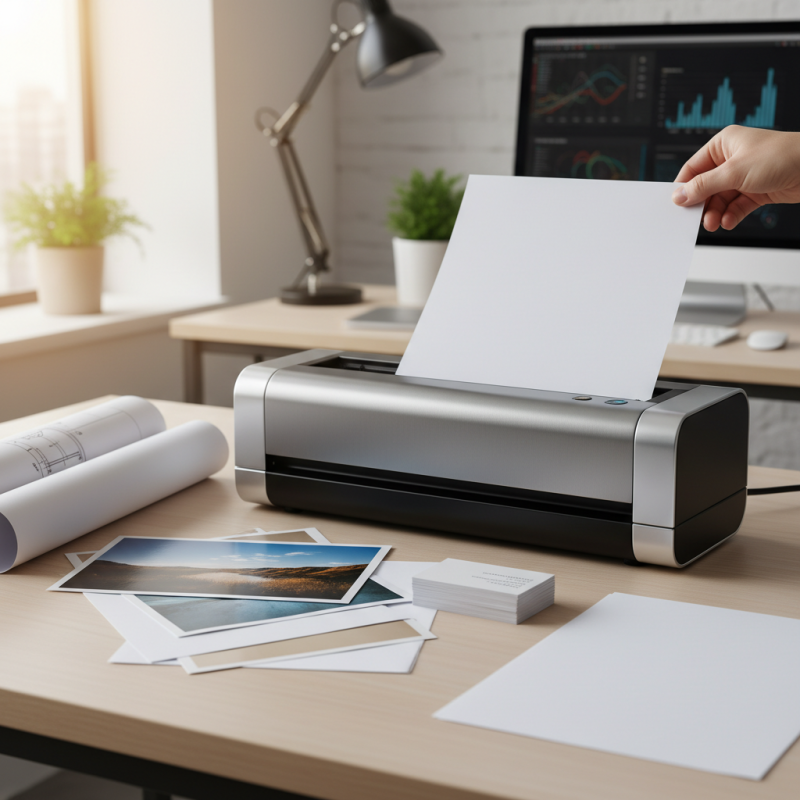
Understanding Your Lamination Needs and Objectives
Understanding your lamination needs is crucial before making a purchase. Different projects require different laminating capacities. For instance, small home projects may only need a basic machine, while businesses often demand higher volume and speed. Industry reports indicate that 70% of organizations prioritize durability when choosing the right machine. This means materials must withstand wear and tear over time, ensuring documents remain pristine.
The objectives of lamination can vary widely. Some users seek to protect documents from moisture, while others focus on enhancing presentation quality. According to market research, about 65% of consumers desire machines that can accommodate various sizes. It's essential to consider how frequently you'll use the machine. Frequent users should opt for machines with fast warm-up times and quick processing capabilities. However, cheaper models might not provide the durability needed for heavy use.
Your lamination goals should drive your decision. For example, if you prioritize portability, a compact machine may suit your needs better. However, larger machines may offer more features at a higher cost. Reflecting on your long-term needs can prevent future regrets. Understanding these intricacies can guide you to a more suitable option for your specific requirements.
Types of Lamination Machines: A Comprehensive Overview
When selecting a lamination machine, understanding the various types is essential. There are generally three categories: pouch laminators, roll laminators, and cold laminators. Pouch laminators are compact and ideal for small projects. They use pre-sized plastic pouches to encase documents. Ideal for home or small office use, they offer convenience at a reasonable price.
Roll laminators are suitable for larger projects. They work with wide rolls of plastic film. These machines are excellent for schools or businesses that require frequent lamination. However, they may need more space and have a higher initial investment. Cold laminators, on the other hand, use adhesive films and don’t require heat. They're perfect for sensitive materials that might warp or melt.
Tips: When choosing, assess the volume of work you expect. If you laminate frequently, a roll laminator may be worthwhile. However, if occasional use suffices, a pouch laminator might be enough. Size and space also matter. Make sure your workspace can accommodate the machine you select. Remember, sometimes, choosing the right machine isn’t just about features; it’s about aligning with your workflow. Reflect on your actual needs instead of opting for the most sophisticated option.
Key Features to Consider When Selecting a Lamination Machine
When selecting a lamination machine, key features are crucial. Consider the machine's size. A compact model works well in small spaces. However, larger machines can handle bigger projects. Think about your usual lamination size. Most machines can laminate documents up to a certain width. If you need versatility, a wider option may be more beneficial.
Next, look at the laminating speed. Faster machines save time, especially for larger tasks. But, speed can sometimes compromise quality. Check reviews for performance insights. Additionally, consider the types of pouches needed. Not all machines work with all pouch types or thicknesses. A flexible machine can accommodate various pouches, enhancing usability.
Another aspect to examine is user-friendliness. Some machines come with complex settings. They require a learning curve. A straightforward interface can help new users. Additionally, review the warranty and customer support options. If issues arise, responsive support can save frustration. Balancing these features against your specific needs can be challenging. Reflecting on what matters most to you will guide your decision.
Evaluating Cost vs. Quality in Lamination Machines
When selecting a lamination machine, cost often plays a crucial role. Many people lean toward cheaper options, only to discover that they compromise on quality. Lower-priced machines may struggle with consistency. They might jam frequently or fail to seal properly. These issues can lead to wasting materials and time, ultimately increasing overall costs.
Quality should not be overlooked. A more expensive machine often delivers better results. It can handle various thicknesses and types of laminating sheets. Investing in a reliable model can prevent frustration and create a smoother workflow. However, expensive doesn’t always equate to the best fit for every need. Some users may find they don’t require all the features that come with high-end models. Understanding your specific requirements helps avoid unnecessary spending.
Evaluate machine features carefully. Look for details like warm-up time and maximum lamination speed. Think about durability and warranty options too. It's important to read user reviews, but they can be biased. Reflect on your own priorities: Are you laminating frequently or just occasionally? This reflection can help clarify your choices, blending cost and quality more effectively.
Maintenance Tips for Prolonging Your Lamination Machine's Lifespan
Maintaining your lamination machine is crucial for its longevity. Regular cleaning is essential. Dust and debris can affect its performance. Wipe the rollers carefully with a soft cloth. This simple task prevents stickiness and ensures smooth operation.
Check the machine’s settings before use. Incorrect settings can lead to poor results and damage. Take time to read the user manual. It contains valuable guidelines. Pay attention to temperature and speed settings. Misconfiguration might lead to frustration during lamination.
Don’t forget to disconnect the machine when it’s not in use. Leaving it plugged in can lead to unnecessary wear. Store it in a cool, dry place. This helps prevent moisture damage. These small steps can significantly affect your machine's performance over time. Regular attention is key to avoiding costly repairs.
How to Choose the Best Lamination Machine for Your Needs? - Maintenance Tips for Prolonging Your Lamination Machine's Lifespan
| Feature | Description | Maintenance Tips |
| Type of Lamination | Hot, Cold, or Thermal Lamination | Choose based on expected usage and material types. |
| Laminating Speed | Measured in inches per minute | Regularly clean rollers to maintain speed efficiency. |
| Feed Width | Width of material it can laminate | Ensure correct alignment to avoid jams. |
| Temperature Control | Adjustable settings for different materials | Check and calibrate temperature settings regularly. |
| Safety Features | Auto shut-off, safety guards | Inspect safety features periodically for function. |
| Warranty | Length and coverage of the warranty | Keep warranty information and service contacts handy. |