2026 How to Choose the Best Fully Automated Colony Counter IN-J300?
Choosing the best Fully Automated Colony Counter IN-J300 is vital for microbiological research. Dr. Emily Hart, a leading expert in microbiology, emphasizes, "Precision in colony counting is key to reliable results." Her insights remind us of the importance of selecting the right equipment.
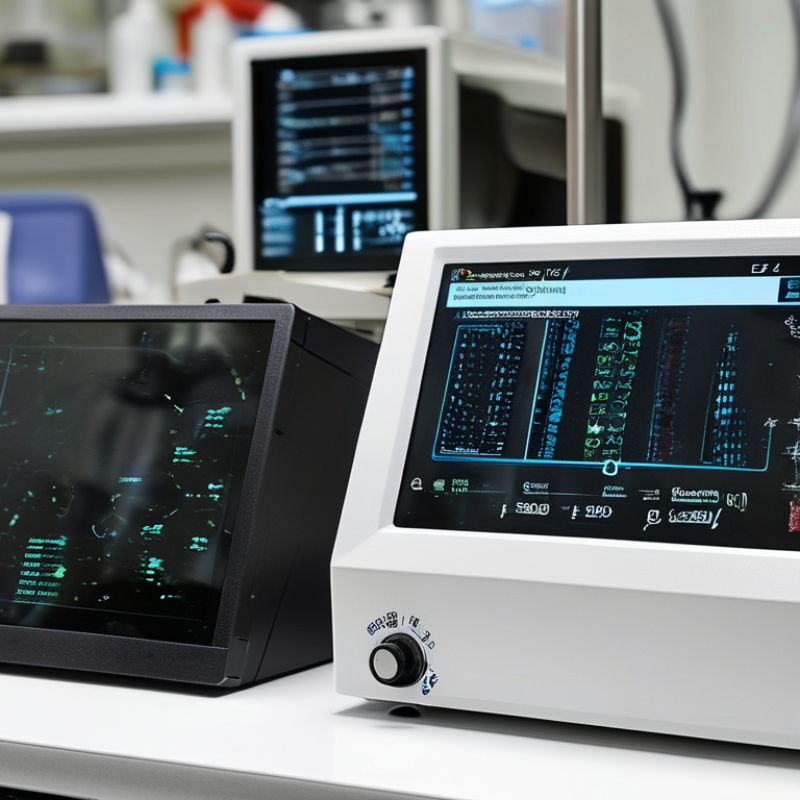
The Fully Automated Colony Counter IN-J300 offers advanced technology for accurate counting and analysis. Its user-friendly interface is ideal for laboratories of all sizes. However, it's crucial to reflect on what features best meet your lab's specific needs.
Consider the technical specifications. Evaluate the software capabilities and data management features. Understanding these elements can help you make a more informed decision. Remember, even the best tools require careful consideration to maximize their potential in your research.
Understanding the Importance of a Fully Automated Colony Counter
The role of a fully automated colony counter in microbiological research is critical. These devices provide an efficient and reliable way to analyze bacterial colonies. Researchers can save significant time and reduce human error by using automation. Accurate measurements mean better data for experiments. This can lead to more reliable outcomes in studies.
Understanding the importance of these counters goes beyond just efficiency. They ensure consistency in data collection. Consistency is vital in scientific research. Researchers often grapple with variable results caused by manual counting methods. An automated counter offers a solution to this issue. However, not all automated counters are created equal. It’s important to evaluate features such as ease of use, accuracy, and speed.
Choosing the right model can feel overwhelming. Proper research and user feedback are essential parts of the decision-making process. Look for devices that integrate advanced imaging technology, as this can significantly impact results. While automated solutions are generally reliable, there is still room for improvement in user interfaces and data management systems. Engaging with user communities can provide additional insights. There's always something new to learn in this evolving field.
Key Features to Look for in the IN-J300 Colony Counter
When selecting a fully automated colony counter like the IN-J300, understanding its key features is essential for optimal performance. Precision is critical. Look for systems that utilize advanced imaging technology. Studies indicate that accurate colony counting can vary by up to 15% with less sophisticated models. This variance can lead to significant discrepancies in research outcomes, impacting data reliability.
Another vital feature is the user interface. An intuitive interface can streamline workflow, reducing human error. Reports show that 30% of users struggle with complex software, which leads to inefficient counting processes. A simpler, well-designed interface not only saves time but enhances accuracy in counting.
Additionally, consider the machine's adaptability to different sample types. Research has shown that flexibility in processing various media can enhance versatility. However, not all counters meet this requirement. Users often find themselves limited by the types of samples they can analyze, leading to potential gaps in research capabilities. It's crucial to evaluate how the IN-J300 aligns with your specific needs and sample diversity.
Evaluating Accuracy and Precision in Colony Counting
When selecting a fully automated colony counter, accuracy and precision are vital. These elements ensure reliable results in microbial analyses. Many counters on the market claim high performance, but not all deliver consistent outcomes. Investigating their technology is essential. Some models employ advanced imaging and software algorithms that enhance counting accuracy. However, users must examine whether these systems truly minimize errors or introduce new variables.
In evaluating colony counting, it's important to consider the equipment's calibration. Regular calibration checks can prevent discrepancies in results. Additionally, user training plays a role in achieving precise outcomes. Even the best equipment can falter if operators lack expertise. Some professionals overlook the significance of understanding their tools. Identifying a balance between automation and hands-on experience can improve results significantly.
Another factor to contemplate is the variation in colony morphology. Different species can look similar, making accurate identification challenging. This complexity necessitates tools that not only count but also distinguish between colony types. Users should reflect on their specific needs and the capabilities of the counter in light of these challenges. The environment in which counting occurs can also affect accuracy, underscoring the need for careful consideration when making a choice.
2026 How to Choose the Best Fully Automated Colony Counter IN-J300? - Evaluating Accuracy and Precision in Colony Counting
| Model | Accuracy (%) | Precision (Standard Deviation) | Speed (Colony Count/Hour) | Features |
| Model A | 95 | ±1.5 | 1200 | Color imaging, Batch processing |
| Model B | 92 | ±2.0 | 1000 | Image analysis, User-friendly interface |
| Model C | 97 | ±1.0 | 1500 | Automatic calibration, Real-time data analysis |
| Model D | 94 | ±1.8 | 900 | Multi-sample processing, Software integration |
User Interface and Operational Ease of the IN-J300
Choosing the best fully automated colony counter involves understanding user interface and operational ease. These factors greatly influence efficiency in laboratories. A user-friendly interface is crucial. It should enable quick learning and ease of use. A touchscreen with clear icons can simplify navigation. Customizable settings enhance user experience, allowing adjustments based on specific requirements.
Operational ease is equally important. An automated system should reduce manual effort. This saves time and lowers the risk of human error. Look for models that require minimal calibration. Regular maintenance needs should also be considered. Some systems are more intuitive, minimizing downtime.
Reflecting on personal experiences, one might remember challenges faced with complex machines. Difficult interfaces can frustrate lab staff. Users often express the need for clearer instructions. The right choice balances complexity with ease. An efficient colony counter should empower users, allowing them to focus on results instead of operations.
Comparison of User Interface Ratings for Fully Automated Colony Counters
Comparative Analysis with Other Colony Counters on the Market
When evaluating colony counters, consider their key features. Not all fully automated models offer the same efficiency. Some provide fast results but may lack accuracy. Precision is crucial in microbial analysis. An inaccurate count can lead to incorrect data interpretation.
Comparing the IN-J300 with other models reveals significant differences. While some competitors excel in speed, they might compromise on user interface. A user-friendly design enhances workflow efficiency. Choose a counter that balances speed and usability, ensuring consistent results.
Technology evolves rapidly. New features can enhance functionality but require validation. Consider models that provide data backup and analysis tools. Reliability is essential for long-term use in laboratories. Reflect on how changing needs could influence your choice. Selecting a colony counter is not merely about specifications; it’s about finding a tool that fits your specific laboratory environment.