China Best VFD for Water Pump Solutions What to Consider?
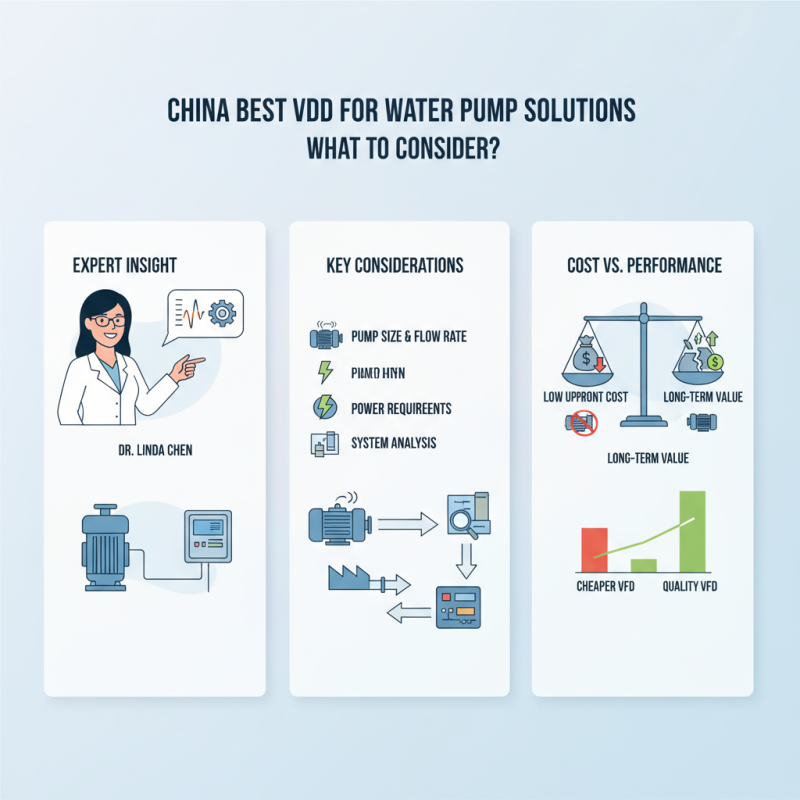
When selecting a Vfd For Water Pump, it's essential to understand the intricacies involved. Renowned expert Dr. Linda Chen, a leading figure in water pump technology, states, "Choosing the right VFD can significantly impact efficiency and longevity." Her perspective highlights the importance of matching a variable frequency drive to specific pump requirements.
The market offers various options, but not all VFDs suit every application. Factors such as pump size, flow rate, and power requirements must be taken into account. Sometimes, users overlook these details, leading to inefficiencies or equipment failures. It's crucial to analyze the intended system carefully.
Additionally, some may find themselves drawn to lower-priced options without considering their long-term effects. A cheaper VFD may save money upfront but can lead to increased operational costs over time. Selection requires a balance between cost and performance. Understanding the complete picture ensures the chosen Vfd For Water Pump meets both immediate and future needs.
Understanding the Basics of Variable Frequency Drives (VFDs)
Variable Frequency Drives (VFDs) play a crucial role in controlling water pumps effectively. These devices manage pump speed and torque, which increases efficiency. Understanding the basics of VFDs can help you make informed decisions.
VFDs allow for better energy management. By adjusting the frequency of the electrical supply, they optimize performance. This results in reduced power consumption, which is essential for businesses looking to cut costs. However, improper installation can lead to issues. Ensuring correct setup is vital.
Tips: Always consult with an expert when selecting a VFD. This can prevent common mistakes. Additionally, consider the environment where the pump operates. Dust or moisture can impact drive performance. Regular maintenance can also extend VFD lifespan.
Another important aspect is compatibility. Not all VFDs work with every pump model. Make sure to check compatibility before purchasing. Overlooking this can lead to inefficient operation. Understanding basic specifications will guide you through the selection process.
Understanding the Efficiency of VFDs for Water Pump Applications
This chart illustrates the efficiency rates of different VFDs in various operating conditions for water pump applications. The data reflects the performance improvements achievable through the use of Variable Frequency Drives.
Key Factors in Selecting VFDs for Water Pump Applications
When selecting Variable Frequency Drives (VFDs) for water pump applications, several key factors come into play. Understanding the power requirements is crucial. Most water pumps run efficiently within a specific frequency range. Data from the Pump Systems Matter initiative indicates that using VFDs can enhance energy efficiency by up to 50%. This improvement underscores the importance of matching your VFD selection to the pump's specifications.
Another essential aspect is the control method. Direct torque control (DTC) offers enhanced performance in dynamic applications. Meanwhile, sinusoidal control provides smoother operation, reducing wear on both the pump and motor. Statistical analysis reveals that systems using DTC experience less downtime, leading to overall cost savings.
Tip: Always review the local power supply conditions before finalizing a VFD. Voltage spikes or drops can impact performance.
Another consideration is the environment where the VFD will operate. Dust, moisture, and temperature fluctuations can affect reliability. A report from the International Industry Standards organization suggests that choosing a VFD with an adequate IP rating can prevent common failures.
Tip: Evaluate whether a standard or customized VFD is necessary based on application requirements. A tailored solution may seem costly initially but can prevent future problems. The right choice leads to longer service life and lower maintenance costs.
Energy Efficiency Considerations for VFDs in Water Pump Systems
When selecting a Variable Frequency Drive (VFD) for water pump solutions, energy efficiency is a crucial factor. According to a report by the U.S. Department of Energy, VFDs can reduce energy consumption by 20% to 50% in water pump applications. This efficiency leads to significant cost savings and a lower environmental impact.
It's essential to evaluate the pump’s operating conditions. VFDs should be matched to the specific requirements of the pump system, including flow rate and pressure range. A poorly matched VFD can result in inefficient operation. In cases where the pump operates at a constant load, consider VFDs that can maintain optimal performance without wasting energy.
Tip: Regular performance monitoring can identify potential inefficiencies. If a pump often runs with reduced load, adjusting the VFD settings might enhance energy savings. Additionally, reviewing the total cost of ownership (TCO) over the VFD's lifespan provides insight into its long-term benefits beyond initial purchase price.
Moreover, not all VFDs are created equal. Some may offer advanced features like built-in diagnostics and energy management tools. While these can enhance performance, ensure that the complexity does not lead to operational confusion. A well-chosen VFD can significantly reduce energy consumption, but it requires a thoughtful selection process.
Common Features and Specifications of Top VFD Models
When selecting the best variable frequency drives (VFDs) for water pump solutions, understanding common features is essential. A comprehensive industry report highlights that over 70% of water management systems utilize VFDs, making their specifications critical. VFDs help in energy efficiency and operational reliability, which are vital for reducing operational costs.
Top VFD models typically offer adjustable frequency ranges, often between 0 to 60 Hz. This adaptability allows for optimal control over pump operations. Many models also include built-in motor protection features. Regularly, users face challenges with overheating, making these protective features non-negotiable. Additionally, IP ratings indicate water resistance levels, essential for longevity in various environments.
Another crucial specification is the communication protocol compatibility. VFDs often support Modbus and CANopen, facilitating integration into existing systems. Industry data indicates that seamless communication can enhance system performance by 20%. Despite advancements, issues like installation complexity and troubleshooting persist. Assessing these factors carefully leads to better decision-making in choosing the right VFD for your water pumping needs.
Installation and Maintenance Best Practices for VFDs in Pumps
When installing Variable Frequency Drives (VFDs) for water pumps, attention to detail is key. Proper installation can enhance efficiency and longevity. Begin by selecting an appropriate location. VFDs should be housed in well-ventilated areas. Ensure they are protected from moisture and dust. Environmental factors can significantly impact performance.
Wiring is another critical aspect. Use cables that match the VFD specifications. All connections must be tight and secure to prevent overheating or failures. Take time to label each component clearly. This will help during maintenance and troubleshooting.
Regular maintenance is essential for optimal operation. Schedule inspections periodically to check for any signs of wear. Monitor the VFD settings to avoid overloading. It is vital to be aware of potential error codes. These codes can indicate underlying problems that need attention. Ignoring them could lead to costly repairs. Document any changes made during maintenance. This practice promotes reliability and can aid in future assessments.
China Best VFD for Water Pump Solutions: What to Consider?
| Parameter | Details |
| Power Range | 0.75 to 200 kW |
| Input Voltage | 380V / 415V / 480V |
| Control Method | V/F Control, Vector Control |
| Protection Features | Overload, Overvoltage, Overcurrent |
| Operating Temperature | -10°C to 50°C |
| Installation Method | Wall-mounted, Rack-mounted |
| Maintenance Frequency | Every 6 months |
| Common Issues | Overheating, Noise, Communication Errors |