
China Top Stainless Welding Wire Trends at 2026 Canton Fair?
The 2026 Canton Fair promises to be a pivotal event for the Stainless Welding Wire industry. As the world's largest trade fair, it will focus on advanced manufacturing and innovative materials. With the introduction of AI features, buyers can easily navigate the expansive 1.55 million square meters of exhibition space. They can efficiently locate suppliers of stainless welding wire that meet specific certifications, such as ISO and CE.
This year’s highlights include a diverse range of products and applications. Buyers can explore various vendors showcasing the latest trends in stainless welding wire. From automotive to construction, the demand for quality welding wire remains strong. However, challenges such as market saturation and price fluctuations could affect decision-making.
Attending the Canton Fair could help manufacturers and suppliers connect and reflect on industry standards. Gaining insights into emerging technologies and market dynamics in stainless welding wire will be essential. The fair presents opportunities but also raises questions about competition and sustainability in this rapidly evolving sector.
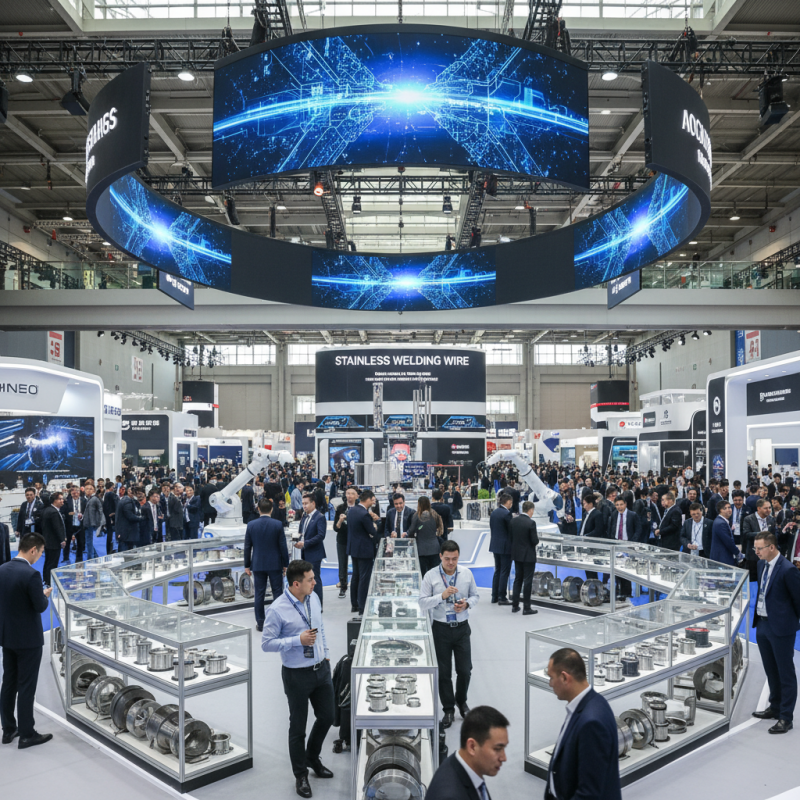
China's Stainless Welding Wire Market Overview at the 2026 Canton Fair
The 2026 Canton Fair will showcase noteworthy trends in China's stainless welding wire market. Industry reports indicate a growing demand for high-strength welding wires, estimated to increase by 5% annually. This growth reflects expanding industrial applications in construction and manufacturing sectors. The fair will highlight innovations in wire production techniques, focusing on enhanced durability and efficiency.
Market analysis reveals that the stainless welding wire segment is projected to reach $1 billion by 2026. This is driven by increased investment in infrastructure projects and heightened awareness of welding wire quality. Attendees will likely see a variety of products aimed at energy efficiency and sustainability, appealing to environmentally conscious clients.
Tip: Consider exploring alternative materials in your welding projects. This can sometimes offer better performance at lower costs.
However, challenges persist in the sector. Many manufacturers struggle with compliance to updated safety standards. Ensuring product quality and maintaining competitive pricing remain critical hurdles. Industry stakeholders must address these issues to capitalize on market growth.
Tip: Stay updated on regulatory changes. This knowledge can help you avoid pitfalls and enhance your product lineup.
In conclusion, the trends presented at the Canton Fair may shape the future of stainless welding wire, emphasizing innovation and quality. It is essential to remain adaptable in this dynamic environment.
Key Trends in Stainless Welding Wire Technology for 2026
As we approach the 2026 Canton Fair, key trends in stainless welding wire technology are emerging. The market is projected to see a growth rate of 5.4% annually, driven by demand from various sectors. Stainless welding wires are crucial in diverse industries, including automotive and construction. These sectors increasingly require stronger, more durable materials.
One trend is the rise of advanced alloy compositions. Reports indicate that over 40% of manufacturers are exploring unique blends to enhance performance. This includes wires that resist corrosion and high temperatures. Such innovations lead to stronger welds, essential for demanding applications. However, the standardization of these new materials presents a challenge. Ensuring consistent quality across production batches can be difficult.
Furthermore, automation in wire production is gaining traction. Around 30% of facilities now utilize robotics for efficiency. This trend aims to reduce human error and improve precision. Yet, dependency on technology raises concerns. The industry must balance automation benefits with potential skill gaps in the workforce. Innovations appear promising, yet the human element remains vital for quality control and troubleshooting.
Projected Growth Rates for China's Stainless Welding Wire Industry by 2026
The stainless welding wire market in China is witnessing significant changes. By 2026, growth rates are projected to rise notably. This growth is fueled by increasing demand in industries like automotive and construction. As these sectors expand, so does the need for high-quality welding materials.
Manufacturers are focusing on innovation. Advanced technologies, such as automated production, are being integrated. However, the challenge remains for some companies to adapt. The old ways of production are still prevalent in certain regions. This discrepancy could hinder overall industry growth.
Sustainability is becoming a key factor. There is pressure to produce eco-friendly materials. Companies are exploring alternative, greener methods. Yet, many still struggle to balance cost and sustainability. The path to 2026 holds promises but also obstacles that must be addressed.
China Top Stainless Welding Wire Trends at 2026 Canton Fair
This chart displays the projected growth rates for China's stainless welding wire industry by 2026, highlighting significant trends observed at the Canton Fair.
Impact of Global Regulations on China's Stainless Welding Wire Exports
As we look towards the 2026 Canton Fair, the landscape of China's stainless welding wire exports is shaping up under stringent global regulations. These regulations aim to ensure product safety and environmental standards. Countries are becoming more cautious about the materials they import. This shift could redefine supplier dynamics and create pressure on Chinese manufacturers.
Tips: Stay updated on regulatory changes. Understand the impact these rules might have on your supply chain. Companies need to adapt or risk losing market access.
Moreover, compliance with international standards may require investment in technology. Many manufacturers are struggling to keep up. This places a burden on smaller entities lacking resources. They face challenges in obtaining necessary certifications. Such obstacles could hinder growth and accessibility in the global market.
Tips: Evaluate your production processes. Identify areas needing improvement. This could enhance compliance and competitiveness. Embracing innovation is essential for survival.
The evolution of regulations is a double-edged sword. It pushes for quality but can create barriers. Chinese exporters must reflect on their strategies. A proactive approach is necessary to navigate this changing environment. Collaborations and knowledge sharing could aid in overcoming these challenges effectively.
Competitive Landscape: Major Players in China's Stainless Welding Wire Market
As the 2026 Canton Fair approaches, the stainless welding wire market in China is witnessing dynamic shifts. Key players are emerging, driven by innovation and demand. The market is highly competitive, with numerous companies vying for attention. Some manufacturers focus on cost-effectiveness, while others prioritize product quality and advanced technology.
Many companies are adapting to market trends, but not all succeed equally. Some struggle to keep up with evolving customer needs. They might invest heavily in production but fail to enhance their marketing strategies. This misalignment could hinder their growth potential. Observing competitors' successes offers insights, yet understanding one's own shortcomings is equally crucial.
Networking at trade shows is vital. Companies need to communicate their unique selling propositions clearly. The importance of technological advancements cannot be overstated. Innovations in welding processes can create significant advantages. However, it's essential to remember that not every new technology yields success. Experimentation often brings unexpected challenges.
China Top Stainless Welding Wire Trends at 2026 Canton Fair
| Dimension | 2023 Estimate | 2024 Forecast | 2025 Projection | 2026 Outlook |
|---|---|---|---|---|
| Market Size (Million USD) | 1200 | 1350 | 1450 | 1600 |
| Growth Rate (%) | 8.5 | 12.5 | 7.4 | 10.3 |
| Export Volume (Ton) | 80000 | 85000 | 90000 | 95000 |
| Major Application Sectors (%) | Construction 30, Automotive 25, Shipbuilding 20, Electronics 15, Others 10 | Construction 32, Automotive 24, Shipbuilding 18, Electronics 16, Others 10 | Construction 33, Automotive 23, Shipbuilding 19, Electronics 15, Others 10 | Construction 35, Automotive 22, Shipbuilding 20, Electronics 15, Others 8 |
| Key Trends | Sustainability Focus | Automation Integration | Innovative Welding Techniques | Increased Customization |