China Top 10 Aerosol Production Line Suppliers?
China’s aerosol manufacturing sector includes experienced equipment builders, specialized integrators, and newer suppliers with ambitious export plans. This guide examines China’s Top 10 Aerosol Production Line suppliers through practical, evidence-based criteria rather than promotional claims. It focuses on engineering capability, manufacturing consistency, automation, after-sales support, and international project experience.
A reliable supplier should explain each production stage clearly. This includes can feeding, rinsing, filling, crimping, leak testing, propellant charging, coding, and case packing. Factory visits can reveal details that brochures often omit. Look for clean assembly areas, documented testing procedures, spare-parts storage, and technicians who answer technical questions directly. These details matter when a line operates for long shifts.
The comparison also considers output range, changeover time, filling accuracy, safety controls, and compatibility with different can sizes. Certification records and export references should be checked independently where possible. A polished website is useful, but it is not proof of performance. That is worth remembering.
Some suppliers may offer impressive prices while providing limited installation support. Others may deliver excellent machines but lack fast regional service. Buyers should request verified production samples, layout drawings, utility requirements, and a detailed warranty scope before making decisions. These checks reduce costly misunderstandings.
This overview is not a final verdict. Supplier rankings can change as factories improve, projects succeed, or service quality declines. Readers should treat the list as a practical starting point for due diligence. The best choice depends on product requirements, factory conditions, compliance responsibilities, and long-term operating goals._久久爱
What Is an Aerosol Production Line?
What Is an Aerosol Production Line?
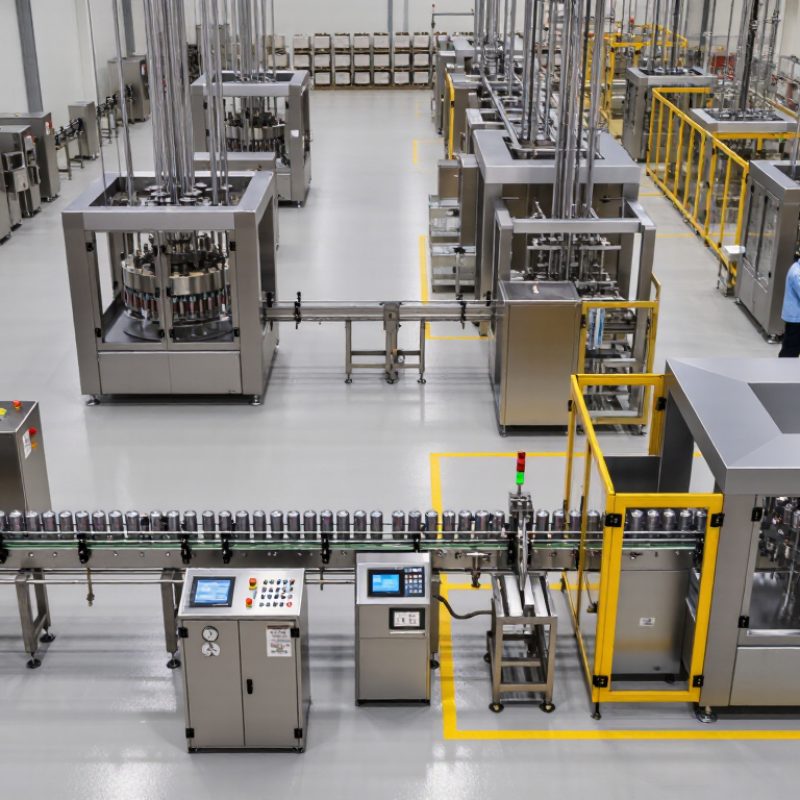
An aerosol production line is an integrated system that converts empty containers into sealed, tested, and coded aerosol products. It normally includes container feeding, rinsing, filling, valve placement, crimping, propellant charging, leak testing, and packing.
The sequence must remain stable. A small crimping error can cause leakage, poor spray performance, or product rejection. Sensors monitor fill weight, pressure, valve position, and container presence. Automated vision systems inspect codes and closures. Operators still matter, especially during changeovers and abnormal machine stops.
Grand View Research estimated the global aerosol packaging market at about USD 6.9 billion in 2023. Its report also projects continued growth through 2030, driven by personal care, household, and healthcare packaging. This growth increases demand for faster lines, but speed alone is not professional performance. A reliable line should control dust, static electricity, pressure, and traceability while meeting applicable safety standards.
Energy use deserves attention. Heating, compressed air, conveyors, and ventilation can create hidden operating costs. In practice, production data often looks cleaner than the factory floor. Downtime records may miss short stoppages, manual adjustments, and rejected containers. That is a weakness worth reviewing. A well-designed line therefore combines calibrated instruments, documented inspections, trained operators, and recorded process evidence.
Key Equipment Used in Aerosol Manufacturing
Aerosol manufacturing depends on coordinated equipment, not one spectacular machine. Fortune Business Insights estimates the global aerosol market at about USD 12.7 billion in 2023, with steady growth expected through 2032. That growth increases pressure on production-line suppliers to deliver safer, faster, and more traceable systems.
The process begins with can feeding, container rinsing, and precise product filling. A crimping machine then joins the valve to the can with controlled pressure. Propellant charging requires accurate metering and enclosed safety controls. Leak testers check each container before coding and packing. Small errors matter.
Modern lines also use checkweighers, camera inspection, and automatic rejection units. These systems detect low fills, damaged valves, poor crimps, and unreadable codes. Smithers’ packaging research repeatedly highlights automation, lightweight containers, and quality control as major industry trends. Energy-efficient compressors and heat-recovery systems can also reduce operating costs, although savings depend on line speed and maintenance discipline.
When comparing leading aerosol production line suppliers, buyers should request measured outputs, changeover times, rejection rates, and validation records. A claimed capacity is not enough. In practice, dust, humidity, and inconsistent components can reduce performance. I have seen impressive specifications fail during real shifts. Equipment selection should therefore include factory trials, operator training, spare-parts access, and documented compliance with applicable pressure-container and workplace-safety requirements.
How to Evaluate China’s Top Aerosol Line Suppliers
China Top 10 Aerosol Production Line Suppliers?
When evaluating China’s top aerosol line suppliers, inspect more than catalog photos. Ask about filling accuracy, valve placement, crimping pressure, leak testing, and conveyor stability. A reliable supplier should explain each process clearly. Request production records, material certificates, electrical drawings, and documented quality checks. These details reveal engineering discipline better than sales promises.
Visit the factory, if possible. Observe machining, assembly, wiring, and cleanliness. Ask to test your actual can sizes and approved formulations before signing. A proper factory acceptance test should measure speed, filling tolerance, reject rates, noise, and emergency response. Check whether technicians can support installation and operator training. No supplier scores perfectly. I would rather see honest limitations than impressive claims without evidence.
Tips: Compare complete operating costs, not only the purchase price. Confirm spare-part availability, software access, warranty terms, and response times in writing. Ask for references from similar production environments. A cheaper line may require frequent manual adjustments, causing hidden losses. Also review local safety requirements and export documentation with qualified professionals. Small gaps matter.
Leading Chinese Aerosol Production Line Suppliers
China’s leading aerosol production line suppliers are competing through engineering depth, not only low prices. A top-ten list should therefore examine complete line performance, service coverage, and export documentation. Grand View Research estimated the global aerosol cans market at approximately US$11.5 billion in 2023, with personal care and household products supporting steady demand. This growth encourages Chinese manufacturers to improve filling accuracy, crimping control, and automated inspection.
Experienced suppliers commonly provide rinsing, filling, propellant charging, valve insertion, crimping, leak testing, and coding equipment. Some lines can reach several thousand containers per hour, but quoted speed needs careful verification. Speed is not everything. Buyers should request factory acceptance tests using the actual can diameter, valve type, and formulation. A small change in viscosity can affect fill accuracy and production stability.
Reliable suppliers normally support ISO 9001 quality systems, risk assessments, spare-parts planning, and remote commissioning. Export buyers should also review pressure-test procedures, electrical conformity documents, and local safety requirements. ISO 22716 may be relevant for cosmetic products, while environmental controls deserve equal attention. Energy use and material waste are often overlooked. No shortlist is perfect; supplier claims should be checked against production records, reference installations, and measurable acceptance criteria. That gap matters.
China Top 10 Aerosol Production Line Suppliers
Typical commercial throughput benchmarks for aerosol production-line configurations commonly offered by Chinese manufacturers. Actual performance depends on can size, formulation, valve type, filling method, and automation level.
The chart compares representative production speeds measured in cans per minute, providing a neutral reference for evaluating aerosol line suppliers without publishing company or brand data.
Choosing the Right Supplier for Your Production Needs
Choosing the Right Supplier for Your Production Needs
China’s aerosol production sector offers many capable engineering teams, but supplier selection should begin with your product and output targets. A 2024 industry market assessment estimates the global aerosol packaging market at more than USD 11 billion, with steady growth through 2030. That growth increases pressure on factories to improve speed, safety, and repeatability.
Ask suppliers for measurable evidence, not polished showroom claims. Review line speed, filling accuracy, changeover time, compressed-air consumption, and rejected-unit rates. A practical target may be 98% filling accuracy, but your formula and container design can change this result. Request factory acceptance testing with your actual valves, cans, and formulations. Small mismatches often appear only during production trials.
Safety documentation deserves equal attention. Check pressure testing, guarding, emergency stops, electrical certification, and batch traceability against applicable standards. ISO 9001 supports quality management, while ISO 12100 helps guide machinery risk assessment. A 2023 packaging machinery survey reported that unplanned downtime remains a major cost factor, so ask about spare-part availability and remote diagnostics. I would also inspect previous installations, though references are not always complete or independent. A supplier may promise a 20-year service life, yet provide limited maintenance data. That is a warning, not a minor detail.