
China Top Anti Collision Cylinder Cap Supplier?

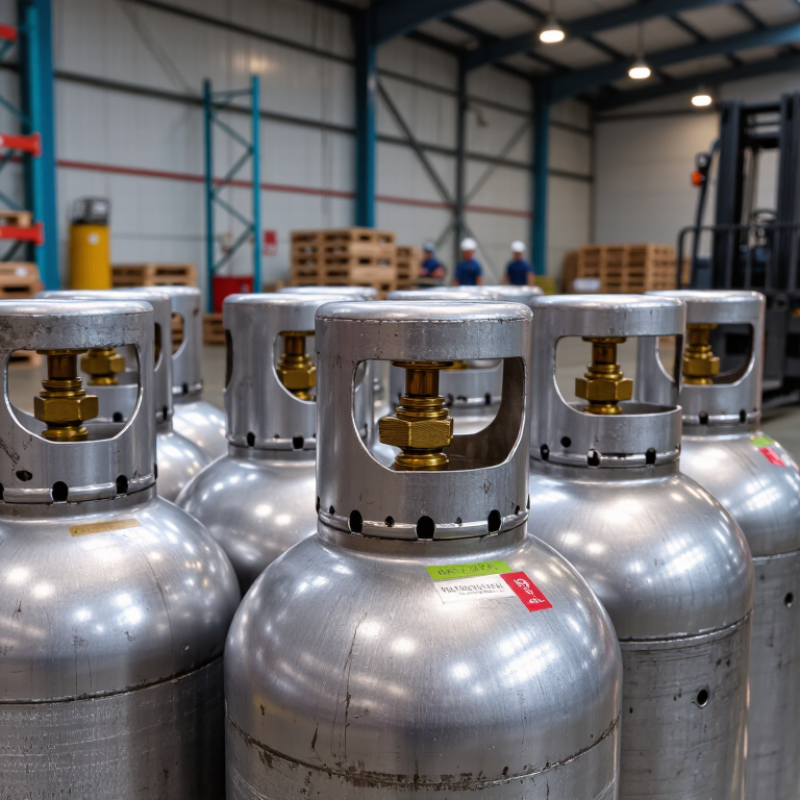
China has become a major manufacturing base for industrial gas cylinder components, including the Anti‑Collision Cylinder Cap. Demand is rising with chemical processing, healthcare, welding, and food-gas applications. MarketsandMarkets’ Industrial Gases Market report identifies Asia-Pacific as the fastest-growing regional market through the decade. That trend increases pressure on suppliers to deliver consistent protection, not merely low prices.

A reliable cap should protect the valve during loading, stacking, and road transport. Picture a steel cylinder sliding across a warehouse floor. The cap must absorb contact without cracking, loosening, or obstructing valve access. Buyers should examine impact resistance, thread accuracy, material traceability, coating quality, and batch inspection records. ISO 10297 and ISO 11114 provide useful references for valve performance and gas-cylinder compatibility. However, these standards do not automatically prove that every protective cap is suitable for every cylinder design.

Supplier credibility also depends on practical manufacturing evidence. Look for documented incoming-material checks, dimensional gauges, torque testing, and production photographs. SGS, TÜV, or equivalent third-party inspection can strengthen verification, while factory audits reveal details that brochures often hide. Reports from Grand View Research and Fortune Business Insights show continued expansion in industrial gas equipment and cylinder-related markets, supporting long-term demand for dependable components.

“Top supplier” is not always the cheapest supplier. It should mean stable quality, responsive engineering, export experience, and transparent corrective action. Some product pages still lack measurable impact data. That is a weakness worth challenging. A careful comparison of samples, test reports, and delivery records can turn a promising Chinese manufacturer into a dependable sourcing partner.
China Top Anti Collision Cylinder Cap Supplier?

Anti-Collision Cylinder Caps: Definition and Core Functions

Anti-Collision Cylinder Caps: Definition and Core Functions

An anti-collision cylinder cap is a protective cover fitted over a gas cylinder’s valve area. It creates a buffer against drops, side impacts, and contact with rough storage surfaces. Unlike a simple dust cover, it supports safer handling without replacing approved valves or guards. That distinction matters.

In practical use, the cap absorbs part of an impact and helps limit direct valve contact. Many designs use reinforced polymer or metal, shaped around the cylinder neck. Openings may preserve access for inspection, lifting, or controlled connection procedures. A secure fit is essential. Loose caps can shift during movement and create a false sense of protection.

Reliable selection starts with accurate cylinder dimensions, thread details, and operating conditions. Check impact resistance, temperature tolerance, corrosion behavior, and cleaning requirements. A cap that performs well indoors may age faster under sunlight, rain, or repeated handling. Field experience also shows that small gaps collect dirt and moisture. This is easy to overlook. Regular inspection should check cracks, deformation, worn locking points, and missing fasteners. No cap prevents every accident. Its real value depends on correct fitting, careful handling, and a cylinder system designed for the intended service.

Key Materials and Structural Features of Cylinder Caps

China Top Anti-Collision Cylinder Cap Supplier?

An anti-collision cylinder cap protects the valve during storage, handling, and transport. Its material choice directly affects impact resistance, weight, and service life. High-strength steel suits heavy-duty applications and repeated impacts. It also tolerates heat and rough handling well. Aluminum reduces weight while maintaining useful structural strength. However, thin aluminum can deform after a severe strike. Engineering plastics offer corrosion resistance and easier molding. Their performance depends on temperature, wall thickness, and formulation.

A reliable cap needs more than a strong material. Reinforced ribs can spread impact loads across the shell. Rounded edges reduce stress concentration and prevent sharp contact points. A properly designed thread or locking system keeps the cap stable during movement. Drainage openings can limit moisture accumulation inside the cap. Ventilation matters too. In production checks, inspectors should measure thread accuracy, wall thickness, and fit consistency. Drop testing can reveal weak corners that visual inspection misses. I have seen caps pass appearance checks but fail after repeated impacts. That result deserves careful review, not excuses. Surface coatings should resist corrosion without making threads difficult to engage. Clear inspection records also help buyers compare batches and trace material changes. Small dimensional errors can create unwanted movement, especially when cylinders vibrate during handling.

China Top Anti Collision Cylinder Cap Supplier? - Key Materials and Structural Features of Cylinder Caps

Material / Construction Key Material Characteristics Typical Structural Features Anti-Collision Performance Common Applications Important Selection Factors
Carbon Steel High stiffness and load-bearing capacity; requires protective coating to reduce corrosion. Deep-drawn or fabricated shell, reinforced rim, and welded or bolted mounting section. Provides strong resistance against impact, compression, and deformation when correctly supported. Industrial machinery, warehouse equipment, transport frames, and heavy-duty protective covers. Coating system, wall thickness, weld quality, mounting strength, and operating environment.
Stainless Steel Good corrosion resistance and durability; suitable for humid, washable, or hygienic environments. Formed cylindrical body, rolled edge, smooth welded seams, and corrosion-resistant fasteners. Maintains structural integrity in corrosive conditions and repeated cleaning cycles. Food-processing areas, chemical equipment, outdoor installations, and clean industrial environments. Corrosion exposure, surface finish, material grade, weld passivation, and galvanic compatibility.
Aluminum Alloy Low density, good corrosion resistance, and easy machinability; lower stiffness than steel. Lightweight formed shell, flanged edge, ribbed reinforcement, or integrated mounting points. Suitable for moderate impact protection where low weight and corrosion resistance are priorities. Portable equipment, vehicle components, electrical enclosures, and lightweight assemblies. Impact level, alloy and temper, wall thickness, joint design, and contact with dissimilar metals.
Engineering Thermoplastic Lightweight, electrically insulating, corrosion-resistant, and capable of absorbing minor impacts. Molded one-piece body, flexible lip, snap-fit section, and integrated ribs or bosses. Reduces surface damage and vibration for light to medium contact loads; performance depends on temperature. Electrical equipment, automation systems, protective covers, and non-load-bearing assemblies. Operating temperature, UV exposure, chemical compatibility, flame rating, and impact energy.
Elastomeric Rubber High flexibility, vibration damping, sealing capability, and good surface protection. Slip-on cap, molded lip seal, flexible sidewall, and optional internal retaining groove. Absorbs low-energy impacts and prevents scratching, noise, and localized contact damage. Hydraulic components, furniture frames, machine legs, handles, and exposed tube ends. Hardness, compression set, temperature range, oil resistance, ozone resistance, and retention force.
Metal Shell with Elastomer Liner Combines the stiffness of metal with the cushioning and anti-slip properties of an elastomer. Rigid outer cap, molded or bonded inner liner, reinforced rim, and positive retention feature. Offers stronger impact resistance while reducing vibration, noise, and damage to the protected cylinder. Heavy equipment, gas-cylinder protection, industrial transport, and demanding maintenance environments. Liner adhesion, shell thickness, impact direction, dimensional tolerance, and service temperature.

Core Structural Features to Evaluate

Feature Functional Purpose Practical Design Consideration
Reinforced Rim Improves edge stiffness and distributes contact loads. The rim should be formed evenly without sharp edges or stress-concentrating defects.
Internal Clearance Prevents the cap from contacting valves, fittings, or other sensitive components. Clearance should account for dimensional tolerances, movement, and protective liners.
Positive Retention Keeps the cap securely attached during handling, vibration, and transport. Common options include threaded joints, bayonet fittings, snap features, clamps, and bolts.
Impact-Distributing Geometry Spreads impact energy across the shell instead of concentrating it at one point. Rounded profiles, ribs, domed surfaces, and curved transitions generally reduce local stress.
Drainage and Ventilation Limits moisture accumulation and helps reduce corrosion or trapped condensation. Drain holes or ventilation paths must not compromise protection against dust, water, or impact.
Surface Protection Improves resistance to corrosion, abrasion, chemicals, and weathering. Select coating or surface treatment according to humidity, chemicals, UV exposure, and cleaning method.

How Anti-Collision Cylinder Caps Protect Industrial Cylinders

Anti-collision cylinder caps protect industrial cylinders during handling, storage, and transport. Their main purpose is simple: absorb or redirect impact before it reaches the valve assembly. A steel cylinder can withstand pressure, but its valve remains comparatively vulnerable. One dropped tool or a sharp contact with a rack may cause serious damage.

A well-designed cap uses strong steel or reinforced polymer, depending on the cylinder application. Its inner clearance should protect the valve without creating movement inside the cap. Ventilation openings can reduce trapped moisture and help prevent corrosion. In practical inspections, fit matters as much as material strength. A loose cap rattles. A tight cap may slow emergency removal.

Manufacturers should verify thread accuracy, wall thickness, impact resistance, and surface treatment. Batch records and dimensional checks also support reliable quality control. Experienced technicians often inspect the cap after visible dents, even when the cylinder appears undamaged. Hidden deformation can affect later installation.

A cap is not a magic shield. It cannot correct poor lifting practices or unstable storage. That lesson is easy to forget. Some designs also add unnecessary weight, making manual handling less comfortable. The better choice balances protection, access, durability, and real working conditions. Field feedback should guide later improvements, because workshop assumptions do not always match daily use.

Quality Standards for Chinese Cylinder Cap Suppliers

China Top Anti Collision Cylinder Cap Supplier?

A reliable Chinese cylinder cap supplier must prove quality beyond a polished brochure. ISO 11117 defines requirements for cylinder valve protection caps, including mechanical strength and functional performance. The ISO Survey 2022 recorded 1,265,216 ISO 9001 certificates worldwide. Certification helps, but it does not guarantee every production batch.

During supplier audits, check material certificates, thread gauges, wall thickness records, and impact-test results. Inspect caps after molding or stamping. Look for cracks, sharp edges, uneven threads, and weak locking points. A practical supplier should provide lot identification, inspection plans, calibration records, and retained samples. Ask how rejected parts are isolated. Ask again.

Tips: Request a pilot batch before signing a long-term order. Test cap fit, torque, drop resistance, and corrosion protection under your actual transport conditions. Verify the laboratory’s accreditation and test-method version. A factory may pass one test and still show unstable dimensions later. That weakness deserves attention.

The supplier should also control recycled material content, color consistency, packaging damage, and traceability to operators or machines. ISO 9001 supports process control, while ISO 11117 offers product-specific guidance. Neither standard replaces independent verification. In my experience, the most useful evidence is repetitive: dated records, random samples, and clear corrective actions. No supplier is perfect. A supplier willing to expose small failures may be more dependable than one claiming zero defects.

How to Select China’s Top Anti-Collision Cylinder Cap Supplier

How to Select China’s Top Anti-Collision Cylinder Cap Supplier

Choosing China’s top anti-collision cylinder cap supplier requires more than comparing prices. The supplier should understand cylinder handling, valve protection, and repeated warehouse impact. ISO 11117 specifies design and performance expectations for transportable gas cylinder valve protection. Ask for test records linked to these requirements.

Market demand also matters. The Business Research Company’s Industrial Gases Global Market Report 2024 estimated the global industrial gases market at over 100 billion US dollars in 2024. More cylinders mean greater pressure on safe storage and transport. A capable supplier should provide impact testing, material certificates, dimensional reports, and batch traceability. Steel thickness, thread accuracy, coating adhesion, and corrosion resistance deserve close inspection. Do not trust a polished sample alone. Production consistency is harder.

Tips: Request three production samples from different batches. Check fit on your actual cylinder. Ask how rejected parts are recorded. A factory audit should review welding, coating, inspection tools, and packaging. ISO 9001 certification helps, but it does not replace product testing. I would also verify the supplier’s experience with your cylinder standard, because a cap that fits one design may fail on another. Small gaps can become costly problems.

How to Select China’s Top Anti-Collision Cylinder Cap Supplier

Recommended evaluation weighting for industrial purchasing decisions

Product quality and safety-related factors receive the highest weighting because anti-collision cylinder caps must provide consistent protection, dimensional accuracy, and reliable performance in demanding industrial environments. Buyers should verify material specifications, inspection records, production capability, delivery performance, and after-sales support before making a final decision.

CONTACT US