China Best Food Packaging Plant for Global Buyers?

Choosing the best China Food Packaging Plant for global buyers requires more than comparing prices or viewing polished factory photos. A reliable supplier should demonstrate material control, stable production, clear quality records, and practical export experience. Buyers should examine food-contact material declarations, batch traceability, factory audit reports, and independent test results. These details matter when packaging must protect freshness across long ocean routes, changing temperatures, and repeated handling.

A capable plant may produce paper boxes, flexible pouches, plastic containers, or customized trays. Its equipment should match the product, not merely impress visitors. Ask to inspect printing areas, sealing lines, warehouse conditions, and sample approval procedures. Small details reveal operational discipline: labeled raw materials, clean storage racks, calibrated testing tools, and documented inspections before shipment. Experience matters here. A supplier that has solved leakage, odor transfer, or color variation problems can often prevent expensive delays.

No plant is perfect. That deserves attention. A factory may have strong machinery but weak communication. Another may offer excellent design support but limited capacity during peak seasons. Global buyers should compare strengths honestly and request a trial order before signing a long-term agreement. Clear specifications, realistic lead times, and transparent corrective actions build trust. The best choice is not always the largest facility. It is the Food Packaging Plant that consistently delivers safe, compliant, and well-documented packaging while responding responsibly when something goes wrong. That standard requires careful verification, not optimistic assumptions.

China Best Food Packaging Plant for Global Buyers?

What Defines the Best Food Packaging Plant in China?

What Defines the Best Food Packaging Plant in China?

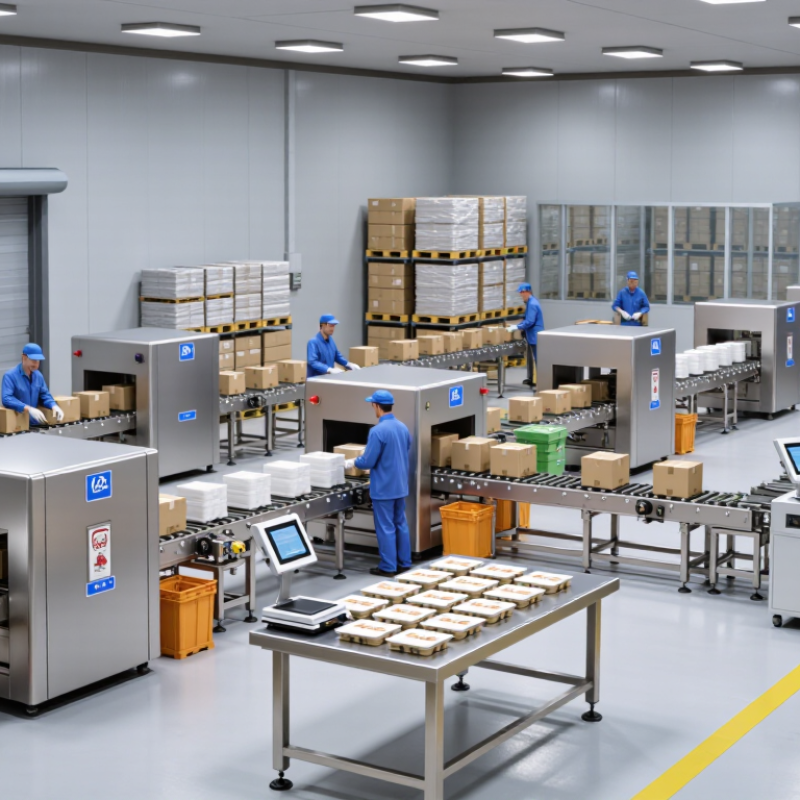
The best food packaging plant is not simply the largest facility. It combines clean production, stable quality, and transparent communication. During a factory visit, buyers should inspect sealed production areas, handwashing stations, and material storage. Rolls, films, trays, or cartons should remain protected from dust and moisture. A reliable plant also controls temperature, humidity, and production records.

Quality evidence matters. Ask for food-contact test reports, batch samples, traceability records, and inspection procedures. Experienced technicians should explain sealing strength, barrier performance, printing accuracy, and shelf-life requirements clearly. Export documentation must match the destination market. A capable plant can adapt materials without making unsupported promises. No factory is perfect. Even a strong facility may face delays, equipment wear, or occasional color variation. Honest suppliers disclose these risks and explain corrective actions.

Tips: Request a live production video. Compare samples from different batches. Check whether measurements are recorded, not guessed. Ask how rejected products are isolated. Visit the warehouse, not only the showroom. A polished presentation can hide weak process control. Also, confirm response times before placing a large order; slow communication often becomes an expensive problem. Small details matter, especially when packaging touches food every day.

What Defines the Best Food Packaging Plant in China?

A practical buyer scorecard based on food-contact compliance, quality management, traceability, hygiene, testing, delivery, and sustainability documentation.

The chart uses a 100-point evaluation model. The highest priorities are food-contact compliance and quality systems, supported by traceability, hygiene controls, testing capability, delivery reliability, and documented sustainability practices. These criteria align with common buyer requirements related to HACCP, ISO 22000, BRCGS, and applicable food-contact regulations.

How to Evaluate a Chinese Packaging Plant’s Manufacturing Capabilities

How to Evaluate a Chinese Packaging Plant’s Manufacturing Capabilities

A capable packaging plant should prove performance, not merely display attractive samples. Smithers estimates the global packaging market will exceed 1.2 trillion US dollars by 2028. That growth increases pressure on suppliers to deliver consistent quality at scale.

Ask for monthly output, machine lists, shift patterns, and recent production records. Numbers matter. Confirm whether equipment is owned, maintained, and operated by trained staff.

Review the plant’s quality system against ISO 9001 principles. The ISO Survey 2023 recorded more than one million ISO 9001 certificates worldwide, but certification alone cannot prove daily discipline.

Request inspection plans for incoming materials, printing, sealing, dimensions, and final packing. Check calibration labels on testing equipment.

Observe how workers record defects and isolate rejected batches. Trace one carton backward, from shipment to raw-material lot.

Food packaging requires closer evidence. The plant should provide migration testing, material specifications, ink controls, and documented hygiene procedures.

Request recent third-party laboratory reports, not recycled documents. Visit during normal production, when noise, dust, and rushed changeovers become visible.

A perfect audit score can still hide weak supervision. I have seen sample quality exceed mass-production quality. That gap deserves questions.

Also compare capacity with your forecast, because an overloaded line may quietly reduce inspection frequency.

Be willing to reject impressive claims without verifiable records.

Which Food Packaging Materials and Formats Are Available?

Food packaging plants serving global buyers must offer more than standard bags and boxes. Common materials include polyethylene, polypropylene, PET, paperboard, aluminum foil, glass, steel, and molded fiber. Each material solves a different problem. Plastic films provide light weight and strong sealing. Foil improves oxygen and light protection. Paperboard adds stiffness and printability. Glass gives excellent product visibility, but transport weight remains a concern.

Available formats include stand-up pouches, pillow bags, sachets, vacuum packs, trays, lidding films, cartons, cans, jars, and foodservice containers. Flexible formats often reduce material use, yet they may become difficult to recycle when several layers are bonded. The OECD’s Global Plastics Outlook reports that packaging generated about 142 million tonnes of plastic waste in 2019, nearly 40% of the total. That figure should influence material selection, not merely marketing language. Barrier matters.

A capable China-based plant should match the format with filling temperature, shelf-life targets, sealing speed, and transport conditions. Practical quality checks include seal strength, oxygen transmission, drop testing, dimensional accuracy, and food-contact migration testing. UNEP’s Food Waste Index 2024 estimates that 1.05 billion tonnes of food were wasted in 2022. Better packaging can reduce damage, but it cannot fix poor storage or forecasting. We still question every material choice. A cheaper pouch may fail during humid shipping. A recyclable structure may need stronger logistics control. Testing comes first, even when production pressure says otherwise.

China Best Food Packaging Plant for Global Buyers? - Which Food Packaging Materials and Formats Are Available?
Material Common Packaging Formats Typical Food Applications Main Performance Characteristics Barrier Performance Typical Manufacturing Processes Recycling or End-of-Life Considerations
Paperboard Folding cartons Sleeves Food boxes Cereal, dry foods, confectionery, frozen foods, bakery products and take-away meals. Lightweight, printable, easy to fold and suitable for high-speed cartoning lines. Coatings may improve moisture and grease resistance. Low to moderate moisture barrier; limited oxygen and grease protection unless coated or laminated. Printing, coating, die-cutting, creasing, folding and gluing. Generally recyclable when clean and free from difficult-to-separate plastic, wax or foil coatings. Local collection rules apply.
Corrugated Fiberboard Shipping cases Transport boxes Display cartons Secondary and tertiary packaging for packaged foods, beverages, produce and e-commerce shipments. High strength-to-weight ratio, cushioning, stackability and efficient flat-pack storage. Low inherent moisture and grease barrier; liners or coatings can provide additional protection. Corrugating, flexographic printing, die-cutting, slotting, folding and stitching or gluing. Widely recycled when dry and uncontaminated. Wet or food-soiled fiber may have limited recovery options.
Polyethylene Terephthalate (PET) Bottles Trays Lids Clamshells Water, soft drinks, edible oils, sauces, fresh produce, bakery items and ready-to-eat foods. Clear, lightweight, rigid and impact-resistant. Suitable for transparent product presentation. Good moisture and gas barrier for many foods; barrier performance can be enhanced with additives or coatings. Injection molding, stretch blow molding, thermoforming and heat sealing. PET is commonly identified as resin code 1 and is recyclable in many regions, subject to local collection and sorting infrastructure.
High-Density Polyethylene (HDPE) Bottles Jars Caps Containers Milk, juice, sauces, condiments, yogurt, powders and food ingredients. Rigid, durable, chemically resistant and suitable for opaque or naturally translucent containers. Good moisture barrier and strong chemical resistance; limited oxygen barrier compared with some multilayer structures. Extrusion blow molding, injection molding, injection blow molding and capping. HDPE is commonly identified as resin code 2 and is accepted in many recycling systems when properly sorted and cleaned.
Polypropylene (PP) Cups Trays Tubs Lids Films Yogurt, dairy products, microwaveable meals, snacks, sauces and chilled prepared foods. Good fatigue resistance, low density and relatively high heat resistance compared with many common packaging plastics. Moderate moisture barrier; good resistance to many chemicals. Gas barrier may require coating or multilayer construction. Injection molding, thermoforming, cast film extrusion, blown film extrusion and heat sealing. PP is commonly identified as resin code 5. Recycling availability varies significantly by country and municipality.
Low-Density Polyethylene (LDPE) Flexible films Liners Pouches Squeeze packs Frozen foods, bread, fresh produce, powdered foods, snacks and inner liners for bulk ingredients. Flexible, sealable, puncture-resistant and suitable for low-temperature applications. Good moisture barrier but limited oxygen and aroma barrier without additional layers. Blown film extrusion, cast film extrusion, lamination, bag making and heat sealing. LDPE is commonly identified as resin code 4. Film recycling often requires dedicated collection rather than curbside systems.
Multilayer Plastic Films Stand-up pouches Flat pouches Sachets Flow packs Coffee, snacks, pet food, sauces, retort meals, powdered products and shelf-stable foods. Combines different layers to provide sealability, stiffness, puncture resistance and extended shelf life. Can provide high oxygen, moisture, light and aroma protection depending on the selected layers. Film extrusion, adhesive or extrusion lamination, printing, slitting, pouch making and retort processing where applicable. Recyclability depends on the exact structure. Mono-material designs are generally more compatible with plastic recycling than mixed-material laminates.
Aluminum Foil Laminates Retort pouches Coffee packs Sachets Lidding films Coffee, powdered milk, sauces, retort meals, nutritional products and light-sensitive foods. Very strong protection against light, oxygen, moisture and aroma migration. Supports long shelf life when properly sealed. Excellent barrier performance, but the foil layer is usually combined with plastic or paper layers for sealing and strength. Lamination, gravure or flexographic printing, slitting, pouch conversion and heat sealing. Multilayer foil laminates are difficult to recycle through conventional material streams. Collection and recovery options depend on local systems.
Glass Jars Bottles Vials Jams, sauces, pickles, beverages, baby food, spices and premium food products. Rigid, transparent, chemically stable and suitable for hot-fill, pasteurization and sterilization applications. Excellent barrier against moisture, oxygen and aroma. Provides a strong product-preservation barrier but is heavier than most alternatives. Glass forming, annealing, surface treatment, labeling and closure application. Widely recyclable where glass collection and color sorting are available. Reuse may be possible with suitable return systems.
Aluminum Cans Trays Foil lids Containers Soft drinks, canned foods, ready meals, bakery products and dairy or dessert products. Lightweight relative to its rigidity, formable, opaque and suitable for high-speed filling operations. Excellent light, oxygen and moisture barrier. Internal coatings may be used to separate the food from the metal. Can making, stamping, drawing, coating, printing, seaming and foil converting. Highly recyclable in established metal recovery systems. Recycling efficiency depends on collection, sorting and contamination control.
Tinplate Steel Food cans Tins Metal containers Canned vegetables, meat, fish, fruit, biscuits, confectionery and powdered foods. Strong, stackable and suitable for long-distance distribution and thermal processing. Excellent protection from light and gases. Coatings are commonly used to support product compatibility and corrosion resistance. Cutting, forming, welding, coating, printing, filling and double seaming. Steel is widely recyclable through magnetic separation and metal recovery systems where collection is available.
Molded Fiber Trays Bowls Clamshells Protective inserts Fresh produce, eggs, bakery products, takeaway meals and protective secondary packaging. Renewable-fiber appearance, cushioning properties and suitability for shaped packaging designs. Basic fiber structures have limited resistance to liquid, oil and vapor unless treated with coatings or barriers. Pulp molding, thermoformed fiber processing, pressing, drying, trimming and optional coating. Uncoated fiber may be recyclable or compostable in suitable systems. Coatings, additives and food contamination can affect end-of-life options.
Important specification note: Material selection should be confirmed against the food type, filling temperature, shelf-life target, transport conditions, sealing method, applicable food-contact regulations and the recycling infrastructure in the destination market.

How Chinese Packaging Plants Meet Global Safety and Quality Standards

China Best Food Packaging Plant for Global Buyers?

How Chinese Packaging Plants Meet Global Safety and Quality Standards

A capable Chinese food packaging plant treats safety as a daily process, not a certificate on the wall. Global buyers should inspect material declarations, migration test reports, and production records. Details matter. The plant should separate food-contact materials from inks, adhesives, and cleaning chemicals. Stainless steel worktables, controlled storage rooms, and clear batch labels show practical discipline. Regular hygiene checks also reduce risks from dust, moisture, and handling.

Quality control must continue during production. Trained technicians can test seal strength, thickness, odor, color, and dimensional accuracy. They should retain samples from each batch for later review. Small errors matter. A traceable lot code helps the buyer identify affected cartons quickly if a defect appears. Reliable plants also review supplier documents for films, paper, coatings, and additives. These checks support compliance with applicable food-contact requirements in different markets.

No plant is perfect. A strong facility admits this and records corrective actions instead of hiding minor failures. Auditors should compare written procedures with real factory behavior, especially during busy shifts. Worker training, equipment calibration, and environmental monitoring need regular verification. Some factories may provide impressive reports but weak follow-up. That gap deserves attention. Buyers can request recent test dates, inspection methods, and clear explanations of any failed result. Honest communication, consistent records, and measurable controls build greater confidence than polished promises.

How Global Buyers Can Select and Work With the Right Supplier

Global buyers need more than a low quotation when choosing a food packaging plant. They need evidence, clear communication, and production experience. Ask for material specifications, food-contact test reports, and recent production photos. A reliable supplier should explain barrier performance, sealing limits, and storage conditions in plain language. Do not accept vague claims. Request samples made from the same material and process as your planned order. Check odor, seal strength, print consistency, and carton protection after transport.

Before signing, review factory capacity, quality controls, and lead-time records. A video call can reveal useful details, including batch labels, inspection stations, and warehouse cleanliness. An independent audit may cost more, but it can expose risks hidden in polished presentations. Discuss tolerances, replacement procedures, payment stages, and communication channels in writing. Your supplier should also explain how it handles design changes or delayed approvals. Small misunderstandings become expensive.

Working together requires steady feedback, not one successful sample. Share drawings with dimensions, filling temperatures, and expected shipping conditions. Keep a written approval record for every revision. A common mistake is focusing on appearance while overlooking stacking strength. That weakness matters. Humid sea transport can damage poorly protected cartons. A supplier may be technically capable yet weak at updates. Leave room for questions, factory corrections, and honest review after each shipment. The cheapest plant is not always the safest long-term choice.

CONTACT US