2026 Best Rotating Machines for Industrial Applications?
In the dynamic landscape of industrial applications, selecting the right Rotating Machines is essential. These machines drive efficiency in production and significantly influence operational costs. With advancements in technology, 2026 promises a range of innovative rotating machines that cater to diverse industrial needs.
The growing demand for energy-efficient solutions challenges manufacturers. Many rotating machines now offer enhanced performance while reducing energy consumption. Their design must incorporate reliability and adaptability to various environments. However, not all machines meet these expectations. Some fall short in durability or efficiency, leading manufacturers to rethink their choices.
Choosing the best rotating machines can feel overwhelming. Each option presents unique advantages and drawbacks. Thus, reflecting on past experiences with different models is vital. This can guide decision-making. In a marketplace full of possibilities, the right choice can mean the difference between success and failure.
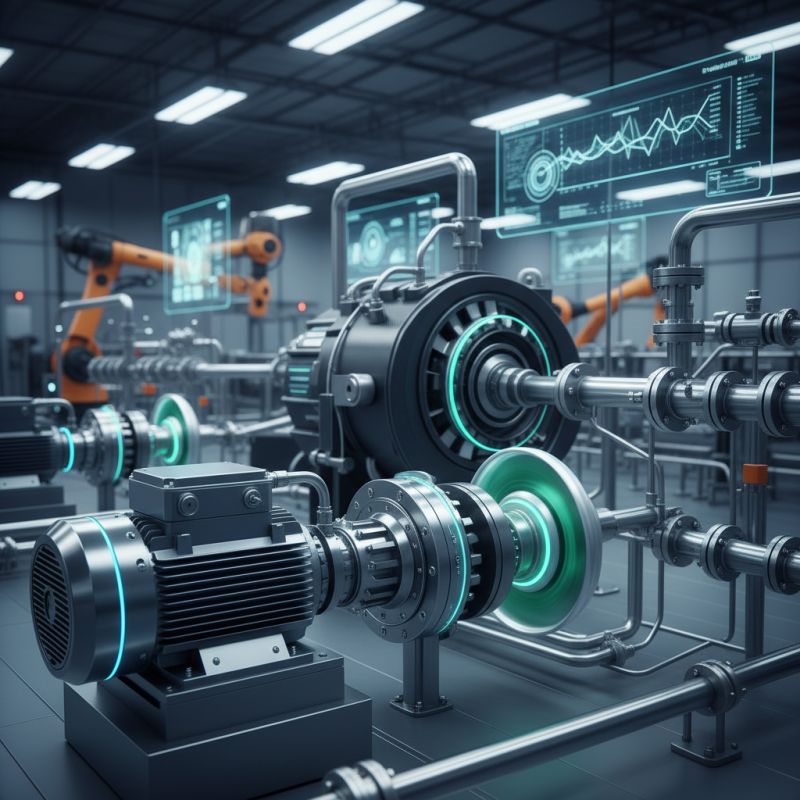
Overview of Rotating Machines in Industrial Applications
Rotating machines play a crucial role in various industrial applications. These machines include motors, generators, and pumps. They convert mechanical energy into electrical energy or vice versa. Their efficiency can greatly impact productivity. Proper maintenance of these machines is often overlooked, leading to unexpected downtimes.
Tips for maintaining rotating machines include regular inspections. Check bearings and seals often. Listen for unusual noises. These small steps can prevent larger issues down the road. In addition, using vibration analysis can provide insights into the machine's health. Operators sometimes ignore early warning signs. This oversight can prove costly.
The choice of rotating machines depends on specific applications. Some industries require high torque, while others prioritize speed. Understanding load requirements is crucial. This knowledge helps in selecting the right machine. Also, operators should be aware of environmental conditions affecting performance. Heat, dust, and humidity can influence efficiency. Each application has unique needs, making it essential to tailor choices accordingly.
Key Factors to Consider When Choosing Rotating Machines
When choosing rotating machines for industrial applications, several key factors come into play. Efficiency is crucial. Look for machines that provide maximum output with minimal energy consumption. Energy costs are a significant factor in operating budgets. A 10% improvement in efficiency can lead to substantial savings over time.
Reliability matters too. Rotating machines should withstand demanding conditions. Regular maintenance can enhance durability, but even the best designs may require repairs. Be prepared for unexpected downtime. This can be frustrating. Therefore, consider the availability of support and replacement parts. A machine might look great on paper but can falter if service is lacking.
Lastly, think about the specific application. Different tasks may require unique features. A standard machine might not fit all needs. Sometimes, customization is necessary. Make sure you understand your operational requirements before making a decision. Balancing cost, functionality, and long-term performance can be challenging. Careful analysis is essential to avoid future regrets.
Top 2026 Rotating Machines: Features and Specifications
When exploring the best rotating machines for industrial applications in 2026, it’s essential to consider various features and specifications. Powerful motors, robust construction, and efficiency ratings are vital aspects. Durable materials help ensure longevity under heavy use. Different industries may require specialized designs that cater to their unique needs. Assessing load capacities is crucial. You wouldn’t want a machine that struggles with heavier weights.
Tips: Focus on energy efficiency. Machines that consume less energy save money over time. Also, investigate maintenance requirements. A machine that’s difficult to service can lead to unexpected downtime.
Advanced technology is becoming common in rotating machines. Features like integrated sensors improve performance monitoring. Machines equipped with smart technology can analyze their own efficiency. However, this tech comes with a learning curve. Training teams to utilize these features is vital. Not all businesses can adapt quickly. Be mindful; implementing new technology takes time and patience. Sometimes, keeping it simple may have better results.
2026 Best Rotating Machines for Industrial Applications
| Machine Type | Power (kW) | Speed (RPM) | Torque (Nm) | Efficiency (%) | Weight (kg) |
| Induction Motor | 5.5 | 1500 | 35 | 90 | 50 |
| Rotary Compressor | 10 | 3000 | 25 | 85 | 75 |
| Centrifugal Pump | 15 | 1800 | 40 | 92 | 100 |
| Servo Motor | 2.0 | 2000 | 15 | 95 | 30 |
| Gearbox | 1.5 | 1200 | 60 | 90 | 20 |
Comparative Analysis of Leading Rotating Machine Brands
In the rapidly evolving world of industrial applications, the choice of rotating machines plays a critical role. A recent report revealed that over 60% of industrial processes rely on efficient rotating machinery. This underscores the importance of selecting the right type of machine to enhance productivity while minimizing operational costs. There’s considerable variation among different brands; some excel in power density while others offer superior energy efficiency.
Comparing leading brands reveals significant discrepancies in performance metrics. For instance, some machines provide higher torque at lower speeds, which can be crucial for heavy industries. However, others may promise better long-term durability but fall short on speed. These variances can impact overall productivity. Operations often overlook maintenance requirements, with nearly 30% of users reporting increased downtimes due to inadequate upkeep.
It's essential to scrutinize technical specifications. Some models may appear advantageous at first glance but may not deliver in real-world scenarios. An insightful analysis suggests that up to 40% of users feel misled by marketing claims. Such a gap indicates a need for more transparency. Manufacturers should reconsider how they present data, ensuring real-world applications are highlighted. This approach will empower industries to make informed decisions.
Future Trends and Innovations in Rotating Machine Technology
The future of rotating machine technology is witnessing significant trends and innovations. Experts predict a swift shift toward energy efficiency. According to a recent industry report, up to 40% of energy used in manufacturing is attributed to these machines. Innovations may help reduce this, cutting costs and emissions.
New materials are under exploration. Lightweight composites and advanced alloys promise increased durability and reduced weight. This can enhance performance and lower maintenance requirements. The incorporation of AI and IoT is also on the rise. These technologies can optimize machine operations. Predictive maintenance could become the norm, minimizing downtime significantly.
Tip: Regularly monitor energy consumption. Small adjustments can lead to major savings.
Another area of focus is smart sensors. They help in real-time monitoring of performance. This innovation allows for quicker fault detection. However, the initial investment for such technologies may be high, requiring careful consideration.
Tip: Evaluate long-term benefits versus upfront costs for new technologies.
The journey of innovation continues. Future developments could redefine industry standards. Companies must adapt or risk falling behind. Embracing new technologies isn’t just beneficial; it is becoming essential.