
2026 Best Road Bicycles for Every Budget

A good Road Bicycle should fit your body, your routes, and your budget—not just look fast in a showroom. The 2024 PeopleForBikes U.S. Bicycling Participation Report estimated that 112 million Americans rode a bicycle in 2023, showing how widely cycling is enjoyed. Yet participation figures cannot tell you which frame will feel comfortable after two hours, or whether a costly upgrade suits your weekly rides. Real roads are less tidy than product charts.

This 2026 guide compares road bikes across practical price ranges, from dependable aluminum models to lighter carbon builds. It looks at fit, gearing, braking, comfort, and the equipment details that shape everyday riding. Greg LeMond, a three-time Tour de France winner, put cycling’s challenge simply: “It never gets easier, you just go faster.” That is a useful reminder, though speed is not every rider’s goal.

There are trade-offs. A lighter frame may cost more, while a budget bike may need a better-fitting saddle or tires. No single ranking can account for every body, road, or repair shop. Treat these picks as a starting point, then test-ride whenever possible. The best choice is not always the most expensive—or the one with the flashiest specification sheet.
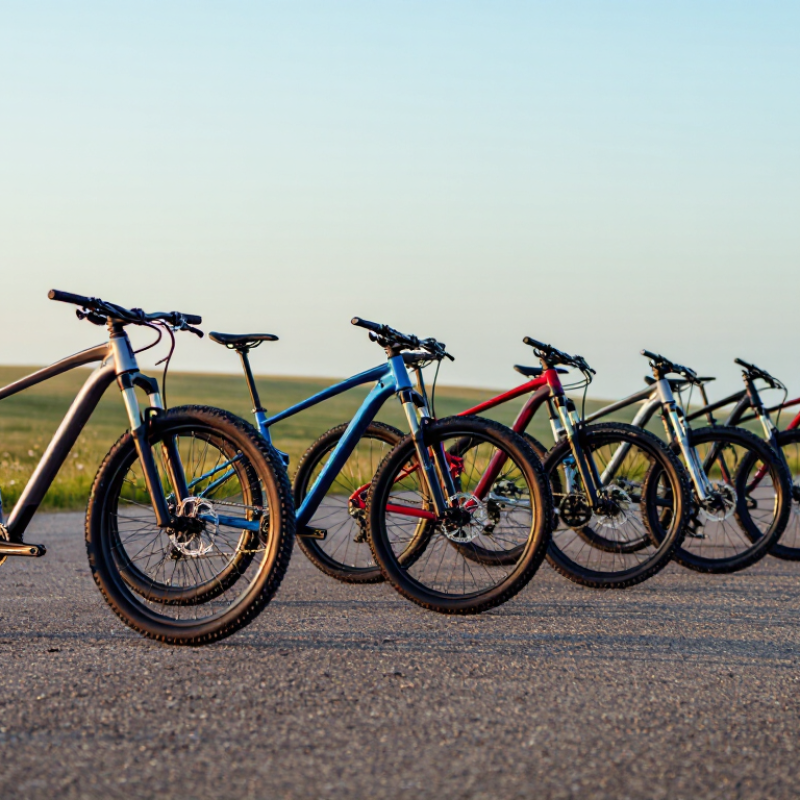
2026 Best Road Bicycles for Every Budget

Understanding Road Bicycles and Their Main Categories

A road bicycle is designed for efficient travel on paved roads, with narrow tires, a lightweight frame, and drop handlebars. The curved bars offer several hand positions, useful on long rides or into a headwind. Fit matters. A frame that feels quick in a shop may become uncomfortable after an hour, so reach and saddle position deserve attention.

Endurance models usually place riders in a less stretched posture and often accept wider tires for rough pavement. Race-oriented bikes tend to feel sharper when climbing or accelerating, while aerodynamic designs prioritize reduced wind resistance on fast, open roads. They can feel less forgiving over broken surfaces.

All-road bicycles add tire clearance and gearing for pavement, hard-packed paths, and occasional gravel. Not always. These categories blur: some race bikes take wider tires, and some endurance bikes are surprisingly lively.

Price does not define the category. At a modest budget, reliable brakes, sensible gearing, and a comfortable fit may matter more than a few grams saved from the frame. On a test ride, notice how easily you shift on a short climb and whether your hands go numb on rough pavement. Labels help, but they are imperfect; a bike’s fit and intended roads tell a more useful story.

How Budget Shapes Road Bike Features and Performance

At a lower budget, road bikes often use aluminum frames, mechanical shifting, and rim brakes or basic disc brakes. These parts can feel heavier, but they are usually straightforward to maintain. A dependable wheelset and sensible tire clearance may matter more on rough roads than a lighter frame. Small details count.

As the budget grows, buyers may find smoother shifting, stronger braking, wider gear ranges, and more comfortable carbon or refined aluminum frames. Higher-priced wheels can accelerate quickly, yet they may not transform an everyday ride. Fit still matters more. A poorly sized bike can make a short trip feel tiring, no matter how advanced its components are.

At the top end, low weight and aerodynamic shapes can help riders who train or race regularly. The gains depend on terrain, fitness, and riding position, so they are not automatic. A common mistake is comparing parts lists while overlooking tires, saddle comfort, and maintenance costs. Test rides help reveal what specifications cannot. Check the brakes in a safe area, listen for drivetrain noise, and notice whether your hands or shoulders feel strained. Budgeting for a helmet, lights, and a basic repair kit is easy to forget—and worth planning for.

Comparing the Best Road Bicycles Across Price Ranges in 2026

Comparing road bicycles across price ranges in 2026 starts with the ride, not the spec sheet. Entry-level models often use aluminum frames, mechanical shifting, and durable wheels. They can feel lively on smooth roads, though heavier wheels may take more effort on climbs. Fit still matters. A well-sized, affordable bicycle is usually more comfortable than a costly one with awkward reach. Check that you can ride in the drops without straining your neck or wrists.

Mid-priced bicycles often balance weight, comfort, and reliable components. Many add carbon forks, wider tire clearance, and gearing that helps on steep local routes. These upgrades can matter more than a few hundred grams saved. At the premium end, lighter frames and electronic shifting may offer crisp control, but the improvement is less dramatic for casual riders. Test shifting under load, inspect tire clearance, and listen for wheel rub during a short ride. Small details tell you plenty. Prices and equipment vary by region, so compare the actual build, warranty, and service support rather than relying on category labels. I would not assume the most expensive option is best; that judgment can be wrong when comfort gets overlooked.

Key Factors for Choosing the Right Road Bicycle

Choosing a road bicycle starts with fit, not frame material. A professional fitting can reveal whether the reach strains your shoulders or the saddle loads your hands. The 2023 PeopleForBikes U.S. Bicycling Participation Report counted 112 million Americans who rode at least once in 2022. That wide range of riders means “best” depends on where and how you ride. Think quiet pavement, rough shoulders, steep climbs, or a weekly commute.

Check tire clearance and gearing before comparing lightweight claims. Wider tires can soften broken pavement, while lower climbing gears help on long, steep grades. Test the brakes on a safe descent, and notice whether shifting feels easy under effort. Aluminum often offers a lower entry price; carbon can reduce weight, but frame material alone does not guarantee comfort. A well-sized bicycle with dependable wheels may serve better than a costly frame that fits poorly. Measure your inseam, then test ride in your usual shoes. Small details matter. I once underestimated how much a few centimeters of reach could change a long ride; it is easy to overlook on a short test. Reserve money for a helmet, lights, and a professional fit, rather than spending every dollar on the bicycle itself.

Sizing, Setup, and Long-Term Ownership Costs

A road bicycle should fit your body before it fits your budget. Check reach, saddle height, and handlebar drop during a test ride. Your hands should rest comfortably on the hoods, without locked elbows or numb fingers after a short spin. Frame size labels vary, so compare measurements rather than relying on “medium” or “large.” A qualified fitter can help, though a basic fit check may be enough for many new riders. Small adjustments matter.

Setup costs can quietly change the price of an entry-level bike. Budget for a helmet, lights, a floor pump, and a spare tube. Ask whether pedals are included; some bikes arrive without them. Have a mechanic check brake alignment, bolt torque, and shifting before longer rides. That check is easy to skip. It can prevent frustrating problems.

Tips: Track wear, not just mileage. Gritty chains, worn tires, and tired brake pads need attention. Clean the drivetrain after wet rides, and check tire pressure before leaving home. Replacement parts and routine service vary by use, local labor rates, and riding conditions, so ask a nearby shop for a realistic yearly estimate. Upgrades can wait; I’d reconsider any purchase that leaves no room for repairs.

2026 Best Road Bicycles for Every Budget - Sizing, Setup, and Long-Term Ownership Costs
U.S. planning estimates for new, unbranded road-bike categories. Annual ownership estimates assume roughly 2,000–4,000 miles of riding and routine wear items and service; they exclude crash damage, upgrades, and major component replacement. Prices and equipment vary by market and specification.
Budget tier Typical new-bike price (USD) Typical specification Good match for Starting size guide Practical setup Estimated annual upkeep Long-term ownership notes
Entry-level $700–$1,200 Aluminum frame, carbon or aluminum fork, mechanical shifting, usually 2x8–10 gearing; rim or mechanical disc brakes. New riders, commuting on paved roads, and recreational weekend rides. Common starting bands: XS 152–163 cm; S 160–171 cm; M 168–180 cm; L 177–188 cm; XL 185–196 cm. Prioritize a comfortable reach and safe brake access. For a 70 kg rider on 28 mm tires, about 55–70 psi is a reasonable initial range; adjust for tire type, total load, and road surface. About $180–$400 Budget for tires, brake pads, chain wear, and periodic adjustments. Mechanical parts are generally straightforward to service; wheel and brake specification can affect upgrade options.
Value all-rounder $1,200–$2,000 Aluminum frame, carbon fork, 2x10–11 gearing, and commonly hydraulic disc brakes; clearance often accommodates 28–32 mm tires. Frequent fitness rides, longer weekend routes, and riders seeking a versatile first serious road bike. Use the same height bands as a starting point, then compare the maker's geometry chart. Check reach, standover, and saddle adjustment rather than choosing by height alone. Set saddle height and fore-aft position for a stable, pain-free pedal stroke. Confirm brake reach, clean drivetrain lubrication, and correct tire pressure before longer rides. About $220–$500 Hydraulic brakes offer consistent braking but may need occasional bleeding. A widely available drivetrain and standard parts can help control future service costs.
Performance mid-range $2,000–$3,500 Entry carbon or refined aluminum frame, carbon fork, 2x11–12 gearing, and hydraulic disc brakes; typically suited to 28–32 mm tires. Regular training, organized rides, hilly routes, and riders who value lower weight or a more responsive feel. A professional fit can be worthwhile if you ride often or have persistent discomfort. Frame labels differ between makers, even when the rider-height range looks similar. Choose gearing that suits local climbs; a compact crankset and a wide-range cassette provide easier climbing gears. Set controls so wrists remain relaxed and braking is secure. About $280–$650 Replacement wheels and drivetrain components may cost more than entry-level parts. Inspect carbon for impact damage and follow the frame maker's torque and care instructions.
Advanced endurance or race $3,500–$6,000 Higher-grade carbon frame, hydraulic disc brakes, 2x12 gearing, and lighter wheels; electronic shifting may be available in some builds. High-mileage riders, events, fast group rides, and buyers choosing specifically between endurance comfort and race-oriented handling. Test ride the intended geometry. Endurance designs generally put riders in a less stretched position than race designs, but individual fit depends on torso, arm, and leg proportions. Have a mechanic verify brake alignment, headset and crank preload, and wheel clearance. For electronic systems, check battery charge and firmware as specified by the system maker. About $350–$800 Lighter or proprietary components can raise repair costs. Check crash-replacement support, parts availability, and whether common service work can be done locally.
Premium $6,000 and up Top-tier carbon construction, premium wheels and components, and often electronic shifting; exact equipment varies substantially with build and price. Experienced riders seeking a specific fit, low weight, race performance, or a carefully selected high-end build. Arrange a detailed fit before purchase where possible. Confirm the fit coordinates can be achieved with the supplied stem, seatpost, and handlebar options. Record fit measurements and recommended torque values. Confirm compatibility and service access for integrated cables, proprietary parts, and electronic components. About $450–$1,000+ High-spec replacement parts can be costly, and integrated designs may require more labor. A careful fit and a repairable, supported specification matter more than the initial component list alone.
Sizing note: the height bands are broad starting references, not universal size recommendations. Frame geometry, inseam, flexibility, riding position, and personal comfort all affect fit. Have a qualified fitter or experienced shop check the final setup, especially if you experience numbness or persistent pain.

Article Source:

CONTACT US