Best Hvp Seasoning Liquid for Flavor Enhancement Options?
Flavor enhancement is critical in the food industry, and Hvp Seasoning Liquid plays a significant role in achieving this. According to recent industry analysis, the global seasoning market is projected to grow at a CAGR of over 5% from 2023 to 2028. This growth reflects a rising consumer preference for flavorful and convenient culinary options. Hvp Seasoning Liquid, offering umami and depth, has become a pivotal ingredient in many kitchens.
Notably, Over 40% of chefs in a recent survey reported using Hvp Seasoning Liquid to enhance their dishes. It adds richness while maintaining a clean label. However, some chefs hesitate, questioning the balance between flavor and health. It’s essential to consider the sodium content and sourcing practices. As consumers demand transparency, manufacturers must be mindful of these concerns.
Incorporating Hvp Seasoning Liquid can transform simple dishes into gourmet experiences. Understanding its applications can elevate culinary creations. Yet, the challenge lies in ensuring quality and authenticity in production processes. Flavors can be complex, and some variations may not meet expectations. Striking the right balance is vital for culinary success.
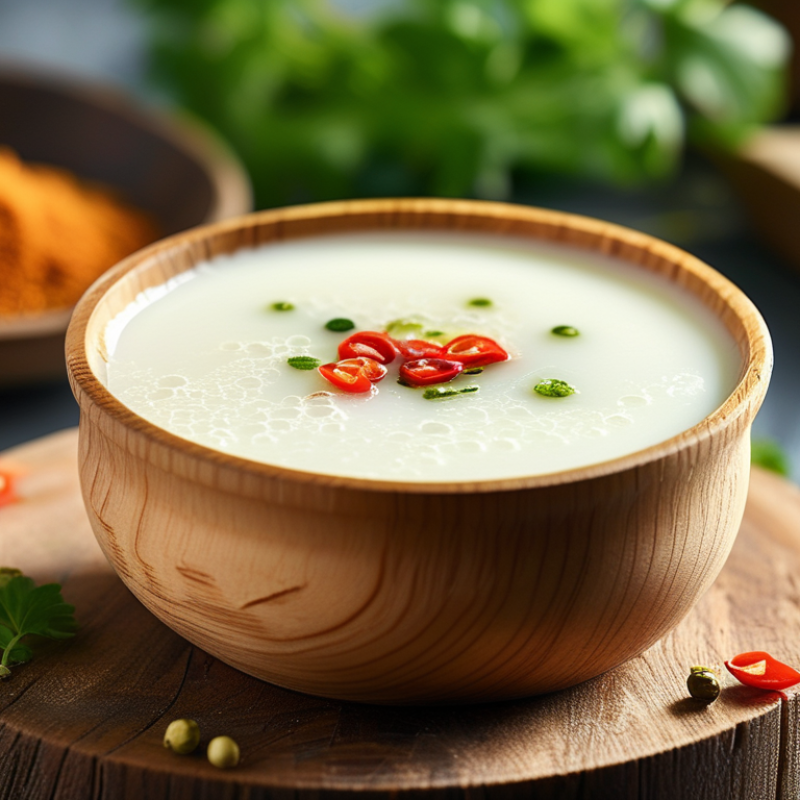
What is HVP Seasoning Liquid and Its Role in Flavor Enhancement?
HVP, or hydrolyzed vegetable protein, is a seasoning liquid derived from plant proteins. It undergoes hydrolysis, breaking down proteins into amino acids. This process enhances the umami flavor in various dishes. HVP seasoning liquid is often used in soups, sauces, and snacks, elevating the taste profile of everyday meals.
The role of HVP in flavor enhancement is significant. It provides depth and a savory character without being overpowering. Chefs appreciate its versatility. It pairs well with both vegetarian and non-vegetarian recipes. However, not all HVPs are created equal. Quality varies across producers, and some may contain additives that could affect health. It's essential to scrutinize labels and choose wisely.
Incorporating HVP can improve a dish’s overall appeal. Yet, it’s important to use it sparingly. Too much can lead to an overwhelming flavor. Balancing with other spices and seasonings can create a harmonious taste. Experimentation and careful measuring can lead to delicious results. Understanding how HVP fits into your cooking can be an enriching experience. It all comes down to exploring flavors and finding the right balance.
Key Ingredients in HVP Seasoning: An Analysis of Flavor Profiles
HVP seasoning, or hydrolyzed vegetable protein, often enhances the umami flavor in various dishes. Understanding its key ingredients can lead to more flavorful culinary creations. Common ingredients include soy protein, corn, and yeast extract. These components contribute to a savory profile that mimics beef or chicken without meat.
The flavor profiles of HVP vary significantly. Studies show that certain amino acids, like glutamic acid, impart rich umami notes. Industry reports indicate that umami ingredients are in high demand, with a 15% increase in usage across restaurants in recent years. This growth suggests a shift in consumer preferences towards richer flavors.
When using HVP, moderation is crucial. Too much can overpower a dish. Experiment by adding small amounts and adjusting according to taste. Fresh herbs and spices can provide complexity to the flavor profile. Balancing HVP with acidity, like lemon juice, can also enhance the overall taste, creating a well-rounded dish.
Industry Trends: Demand for HVP Seasoning in Food Production Markets
The food production market is witnessing an increasing demand for Hydrolyzed Vegetable Protein (HVP) seasoning. This surge is driven by the growing consumer inclination towards bold flavors and plant-based options. HVP provides a versatile solution for enhancing a variety of dishes, adding a savory umami taste often sought by chefs and food manufacturers alike. The ability to meld into complex flavor profiles makes HVP highly favorable.
Chefs use HVP in soups, sauces, and snacks. Its concentrated nature allows for impactful flavor without excessive sodium. Understanding how to balance HVP with other seasonings is crucial. This balance can elevate a dish or lead it to an off flavor. Experimenting is vital; don’t be afraid to adjust your recipes according to taste preferences.
Ingredients sourcing also plays a role as consumers demand transparency. Many seek products made from sustainable resources. It requires mindfulness in ingredient selection. Considering this, testing small batches for flavor variations becomes essential. Engaging with feedback is important. Constant refinement can lead to the perfect blend that resonates with your audience.
Comparative Evaluation: HVP vs. Natural Flavor Enhancers in Foods
When comparing HVP to natural flavor enhancers, it’s essential to consider the source and process behind each. HVP, or hydrolyzed vegetable protein, is created through chemical hydrolysis. This process breaks down proteins into amino acids, giving foods a savory flavor. On the other hand, natural flavor enhancers often come from plant or animal sources. They include herbs, spices, and fermented ingredients. Many chefs prefer natural enhancers for their authentic taste.
The choice between these options can impact the final dish immensely. HVP provides a concentrated flavor boost but might taste overly artificial. Natural enhancers, while sometimes less potent, offer layered flavors. It’s also worth noting that some consumers may react negatively to HVP due to its processing. In contrast, natural ingredients carry a perception of healthfulness and integrity.
Although HVP can simplify flavor enhancement, it lacks the complexity of natural alternatives. Some may argue that the convenience of HVP outweighs its downsides. However, the choice ultimately depends on personal preferences and dietary needs. Experimenting with both can offer insights into which best suits specific culinary goals. Balancing flavor and health is a topic worth exploring in every kitchen.
Best Practices for Using HVP Seasoning in Culinary Applications
Using Hydrolyzed Vegetable Protein (HVP) seasoning can enhance the flavors in various culinary applications. When adding HVP to dishes, a little goes a long way. It’s best to start with small amounts, adjusting to taste as needed. This prevents overpowering the dish while ensuring a balanced flavor profile.
When incorporating HVP, consider the dish's texture. HVP works well in soups, stews, and sauces, providing a savory depth. You can also use it in marinades for meats and vegetables, helping to amplify their natural flavors. Remember that HVP is rich in umami, so it pairs brilliantly with other seasonings, such as garlic and onion.
Experimentation is key. Adjust levels based on the ingredients you are using. Too much can lead to an overly salty flavor, which might overshadow the dish. Striking the right balance takes practice, but it's worthwhile.
Observe how HVP interacts with different cooking methods. It can enhance roasted vegetables, making them taste more robust. Alternatively, in quick stir-fries, it can add a quick punch of flavor. Don't hesitate to reflect on results. Adjustments may be necessary to meet specific palate preferences.