Best Hospital Furniture for Sale Options to Consider?
In today's healthcare environment, selecting the right hospital furniture is critical. The market for hospital furniture for sale is thriving, with recent reports indicating a growth rate of 5% annually. This rise is driven by the increasing demand for patient comfort and operational efficiency.
According to Dr. Emily Barnes, a healthcare design specialist, "Proper hospital furniture not only improves patient satisfaction but also enhances staff productivity." This emphasizes the importance of thoughtfully chosen furniture in modern healthcare settings. However, many facilities still struggle with outdated designs, which can hinder both patient recovery and staff performance.
Newer options, such as adjustable beds and multifunctional seating, provide solutions that cater to diverse needs. Yet, selecting the right pieces can be overwhelming. Balancing cost, functionality, and design requires careful consideration and reflection. By focusing on well-sourced hospital furniture for sale, healthcare providers can make informed decisions that lead to better outcomes.
Best Hospital Furniture Types for Different Departments
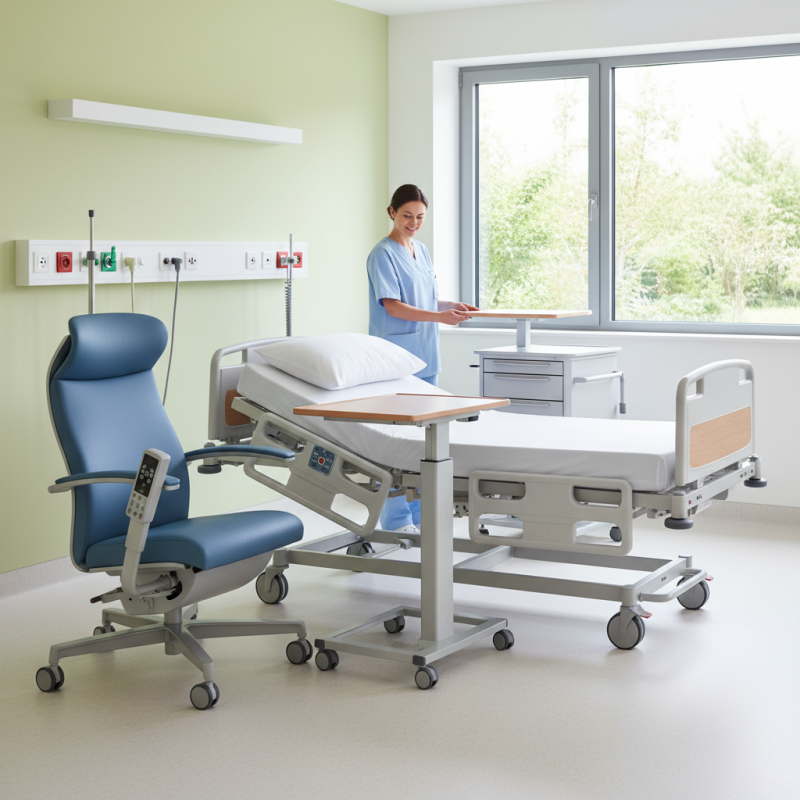
When selecting hospital furniture, different departments have unique requirements. Patient rooms need comfortable beds and functional bedside tables. Adjustable beds enhance patient comfort, allowing for easy access. Nightstands should be easy to clean and spacious enough for personal items. It’s important to consider the color and materials used, as they can affect the healing environment.
In the surgical department, furniture must be sterile and durable. Surgical tables play a crucial role. They need to adjust easily to suit various procedures. Storage units for instruments must be readily accessible but secure. Waiting areas require seating that is both comfortable and easy to maintain. Choosing materials that are resistant to stains and wear is essential.
Unfortunately, many facilities overlook the importance of ergonomic design. Staff members face physical strain without proper seating and workstations. This can lead to burnout and reduced efficiency. Each department's design should reflect the needs and well-being of both patients and staff. Prioritizing quality furniture boosts satisfaction and operational flow. It’s a continuous process of evaluation and improvement.
Factors to Consider When Buying Hospital Furniture
When selecting hospital furniture, several factors must be considered. Comfort and support are critical. Patients need a safe, relaxing environment. Think about how the furniture shapes their experience. Durability is another key point. Hospital furniture must withstand daily use. Look for materials that are easy to clean and maintain.
**Tip:** Choose furniture with rounded edges. It reduces the risk of injury in a busy hospital setting. Space management is also vital. Ensure that furniture fits the room layout. Evaluate how patients and staff move around.
Flexibility matters too. Multi-functional pieces save space and enhance utility. A bed that converts into a chair can be a game changer. Reflect on furniture that can adapt over time, meeting changing needs.
**Tip:** Test the items if possible. Sitting on a chair or lying on a bed helps gauge comfort and functionality. Quality matters, but affordability is also crucial. Balancing these aspects can be a challenge. Make informed choices to ensure a functional and pleasant environment.
Best Hospital Furniture for Sale Options to Consider?
| Furniture Type | Material | Features | Price Range | Durability |
| Hospital Bed | Steel Frame with Vinyl Upholstery | Adjustable Height, Rolling Casters | $500 - $3,000 | 5-10 years |
| Examination Table | Wood with Foam Padding | Adjustable Backrest, Easy to Clean | $200 - $1,500 | 3-7 years |
| Patient Chair | Plastic with Cushioned Seat | Armrests, Swivel Base | $100 - $600 | 3-5 years |
| Overbed Table | Metal Frame with Wood Top | Adjustable Height, Locking Wheels | $80 - $400 | 3-6 years |
| Medical Cart | Metal with Plastic Drawers | Mobility, Organized Storage | $150 - $800 | 5-10 years |
Top Materials Used in Hospital Furniture Construction
Choosing the right materials for hospital furniture is crucial. It affects durability, comfort, and hygiene. Various materials offer unique advantages. Wood, for example, has a classic look and feels warm. Yet, it can harbor bacteria if not treated properly. Metal furniture is sturdy and easy to clean. But it may not provide the comfort needed for long-term use.
Plastics are gaining popularity in hospital furniture design. They are lightweight and resistant to stains. However, some plastics can wear down easily and may not last as long. Upholstery is another key aspect. Choosing the right fabric is essential. There are many options available, but some are more durable and easier to maintain than others.
The challenge lies in balancing aesthetics and functionality. A well-designed hospital room needs both comfort and efficiency. Often, the decision-making process can feel overwhelming. It’s essential to evaluate specific needs. Hospital environments are unique, and furniture must adapt accordingly. Thoughtful choices in materials can create a healing space, but neglecting durability may lead to frequent replacements.
Cost-Effective Strategies for Purchasing Hospital Furniture
When considering hospital furniture, cost-effectiveness is vital. A report by the Global Healthcare Furniture Market shows that hospital facilities can save up to 30% by choosing multi-functional furniture. This furniture often combines storage and utility, optimizing space and reducing the need for excess items. Investing in such options helps streamline operations, which is increasingly crucial in today’s healthcare environment.
Durability is another factor to ponder. Many healthcare facilities face budget constraints and must choose furniture that withstands heavy use. Statistics indicate that nearly 40% of furniture replacements stem from poor quality. It highlights the need for thoughtful purchasing decisions. Look for materials that are easy to clean yet durable. This balance helps ensure the initial investment lasts longer, minimizing future expenses.
Moreover, consider the furniture's design impact on patient experience. Studies suggest that well-designed environments can improve patient outcomes by up to 15%. However, striking the right balance between aesthetics and functionality is tricky. Some might prioritize saving money, neglecting the overall patient experience. It’s crucial to continually evaluate the chosen options against both budget and quality metrics.
Latest Trends in Hospital Furniture Design and Functionality
The landscape of hospital furniture design is evolving rapidly. Functionality and aesthetics are now equally important in healthcare settings. Designers focus on creating pieces that not only serve a purpose but also enhance the patient experience. Adjustable beds are a prime example of this. They allow for personalized comfort but require regular updates for optimal use.
A notable trend is incorporating natural elements into hospital environments. Wood finishes and softer colors help reduce anxiety for patients. However, balancing sturdiness with these designs is a challenge. Cushioned chairs provide comfort, but maintaining hygiene can be tricky. Choosing materials that are both easy to clean and durable is crucial.
Innovative storage solutions are becoming essential as space becomes more constrained. Foldable designs and built-in compartments help organize essential items, but some designs may compromise accessibility. Thoughtful planning must remain a priority. Ultimately, the aim is to create spaces that support healing while being practical. Each piece of furniture tells a story, merging form and function in unexpected ways.