2026 Best Directional Hydraulic Valve Insights from 139th Canton Fair?
The 139th Canton Fair in 2026 showcased remarkable advancements in various sectors, particularly in machinery such as the Directional Hydraulic Valve. This event spanned from April 15 to May 5, featuring innovations across advanced manufacturing and electronics. The introduction of AI technology enhanced the experience for buyers, allowing them to navigate through an expansive venue of 1.55 million square meters with greater efficiency.
Directional Hydraulic Valves drew significant interest due to their critical role in machinery and automation. Attendees were able to connect with suppliers who met essential certifications, like ISO and CE. The smart search and navigation features made it easier to locate specific products and companies. However, despite the advancements, some buyers expressed challenges in finding niche suppliers amid larger displays.
The fair's focus on quality home goods and materials also raised questions about sustainability in manufacturing. Many industry leaders called for more eco-friendly practices. As the market for Directional Hydraulic Valves expands, it is essential to consider both technological advancements and environmental impact. Such reflections are vital for fostering a responsible approach to innovation and manufacturing in today's competitive landscape.
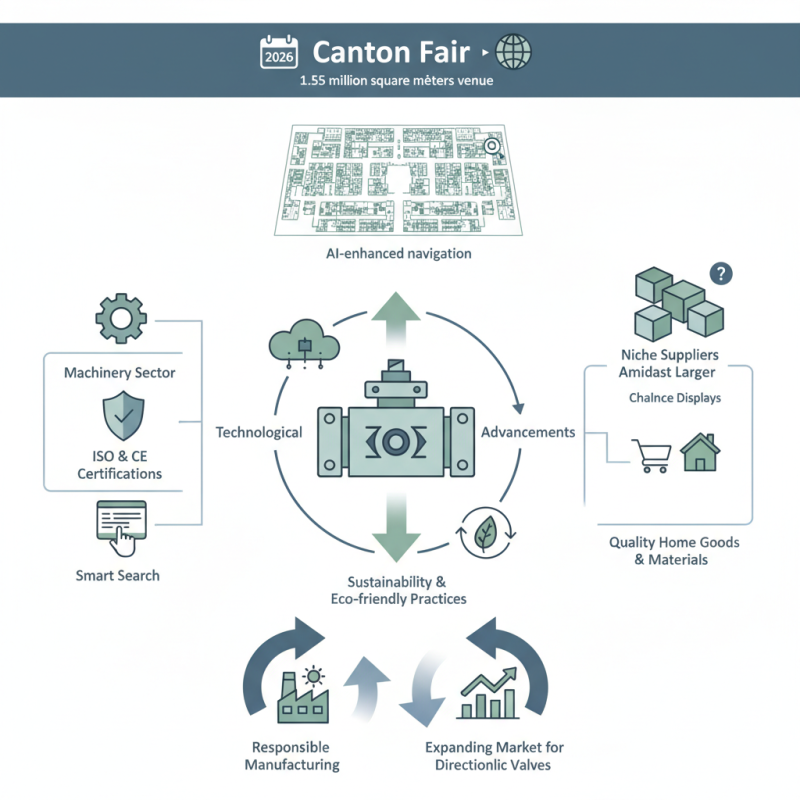
Overview of Directional Hydraulic Valves at the 139th Canton Fair
At the 139th Canton Fair, directional hydraulic valves were a prominent topic. Numerous exhibitors showcased the latest innovations. Visitors noted the increasing demand for efficient and reliable valves in various industries. This trend reflects a shift toward smarter hydraulic systems.
One striking observation was the variety of designs available. Each design seemed to cater to different applications. Some valves emphasized compactness, while others highlighted enhanced performance under high pressure. Potential buyers appeared eager to explore these distinct features. However, discrepancies in quality were evident. Many attendees expressed concerns about durability and long-term performance.
Networking at the fair allowed for in-depth discussions. Manufacturers shared insights about emerging trends. Yet, some questions remained unanswered. Buyers pondered the actual impact of these advancements on their operations. The conversations hinted at a need for further research and testing before making purchases. Overall, the fair provided a fascinating glimpse into the future of directional hydraulic valves.
Key Trends and Innovations in Hydraulic Valve Technology
The 139th Canton Fair showcased intriguing trends in hydraulic valve technology. Manufacturers displayed innovative designs aimed at enhancing efficiency. One notable introduction was smart valves equipped with sensors for real-time monitoring. These devices promise to optimize fluid flow with precision.
Sustainability emerged as a crucial theme at the fair. Many exhibitors highlighted eco-friendly materials in their products. However, questions linger about the long-term durability of these new materials. The shift to sustainable options is commendable but may require further testing.
Another trend was miniaturization in hydraulic valves. Smaller, more compact designs were prevalent. This allows for integration in tighter spaces. Yet, the trade-off may be performance under high pressures. It raises an important consideration: can smaller valves maintain reliability?
Market Insights and Demand Analysis for 2026
The global market for directional hydraulic valves is expected to reach significant heights by 2026. Recent studies indicate a compound annual growth rate (CAGR) of around 5.8%. This growth is driven by rising automation in industries like manufacturing and construction. The data shows an increased demand for advanced hydraulic systems, which are crucial for efficient operations.
Recent research gathered from various industrial reports reveals diverse applications for directional hydraulic valves. These valves are essential in mobile machinery, oil and gas sectors, and renewable energies. The 139th Canton Fair highlighted the need for innovation in this space. However, the market faces challenges, such as fluctuating raw material prices and inconsistencies in supply chains, which may hinder growth.
Consumer preferences are shifting toward smarter and more sustainable hydraulic solutions. Manufacturers need to adapt quickly. Many companies are investing in R&D to stay competitive. An emphasis on efficiency and reliability remains crucial. Yet, the learning curve in adapting to new technologies can be steep for some businesses. Addressing these gaps is vital for the future success of the directional hydraulic valve market.
2026 Best Directional Hydraulic Valve Insights from 139th Canton Fair
| Region | Market Size (Million $) | Growth Rate (%) | Key Application Sectors |
| Asia-Pacific | 1500 | 6.5 | Construction, Agriculture |
| North America | 1200 | 4.2 | Oil & Gas, Mining |
| Europe | 1100 | 5.0 | Automotive, Aerospace |
| Latin America | 600 | 3.8 | Manufacturing, Robotics |
| Middle East & Africa | 400 | 4.5 | Construction, Water Management |
Comparative Study of Global Manufacturers and Their Offerings
The 139th Canton Fair showcased a variety of directional hydraulic valves from numerous global manufacturers. Each booth exhibited distinct features and specifications. Buyers observed differences in build quality and functionality. Some products stood out, while others fell short of expectations. The fair highlighted how manufacturers approached design and innovation.
Visitors noted the emphasis on energy efficiency among many companies. Some products claimed reduced energy consumption, drawing interest. However, not all companies offered clear data or comparisons. This created uncertainty for potential buyers. Additionally, there were concerns about the longevity of certain models. Questions about durability arose repeatedly at discussions.
Feedback from attendees revealed a desire for more transparency in product offerings. Many expressed frustration over vague marketing claims. Some brands seemed to drown in the crowd, lacking unique selling points. Manufacturers must engage more with their customer base. There’s a strong need to present clear, factual information. Effective communication could enhance customer trust and satisfaction.
Future Challenges and Opportunities in the Hydraulic Valve Industry
The hydraulic valve industry faces future challenges and opportunities that require keen insight. According to a recent market analysis, the global hydraulic valve market is expected to reach $6 billion by 2026. This growth is fueled by increasing automation in various sectors. Industries such as construction, agriculture, and manufacturing are leading the demand. Each sector’s unique needs push for innovation in hydraulic solutions.
However, the industry must confront several challenges. Sustainability is a significant concern. Many manufacturers are under pressure to reduce their carbon footprint. This can lead to increased production costs. Additionally, the complexity of designing eco-friendly valves presents hurdles. The lack of skilled labor further exacerbates these challenges, making it hard to keep pace with innovation.
Opportunities also arise from technological advancements and evolving market needs. IoT integration can enhance valve performance monitoring. This leads to preventative maintenance rather than reactive measures. Industry experts predict that smart hydraulic valves could reduce downtime by 30%. Investing in R&D can facilitate the transition, yet budgets are often tight. Balancing cost and innovation is crucial for future success.
2026 Best Directional Hydraulic Valve Insights