2026 Best Computer Form Factors What to Choose?
In today's fast-evolving tech landscape, the selection of the right Computer Form is crucial. Experts agree that the form factor significantly influences performance, portability, and user experience. "Choosing the right Computer Form is like selecting the frame for a masterpiece," says Dr. Alice Thompson, a lead researcher in computer engineering.
As we move towards 2026, various Computer Form options emerge. From compact mini-PCs to powerful towers, each has unique benefits. However, making the right choice can often lead to confusion. Consumers may find themselves torn between size and functionality, leading to reflections on their actual needs.
Selecting a Computer Form demands careful thought. It’s not just about specifications but how it fits into your life. The perfect model for one person might not suit another. This personal aspect can sometimes be overlooked. Ultimately, understanding your use case can help you navigate this complex decision.
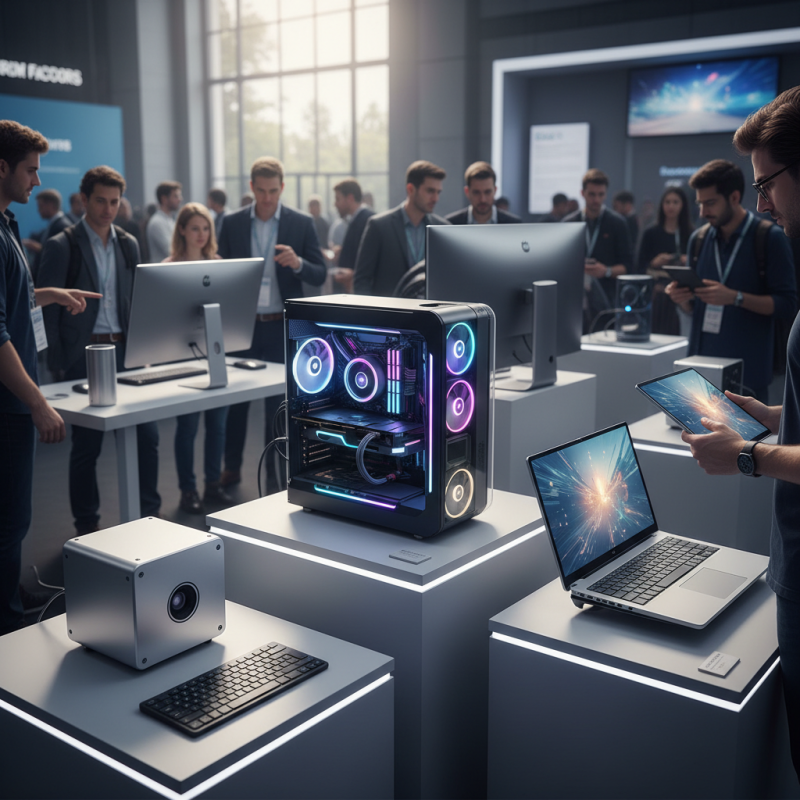
2026 Trends in Computer Form Factors: An Industry Overview
The landscape of computer form factors is evolving rapidly. In 2026, we see a mix of traditional systems and innovative designs. Compact computers are gaining traction, appealing to users who value space-saving solutions. Miniature desktops can fit in backpacks. Meanwhile, all-in-one systems continue to dominate home setups, merging aesthetics with functionality.
Emerging technologies also influence design trends. The rise of portable devices pushes manufacturers to rethink specifications. There’s a growing demand for modular systems that allow for easy upgrades. Users want the ability to enhance their setups without buying entirely new devices. This shift encourages flexibility and personalized computing experiences. However, some find entry barriers in modularity, as compatibility issues sometimes arise.
On the other hand, sustainability is a key consideration. Many users express frustration over e-waste. The desire for eco-friendly materials is stronger than ever. Yet, manufacturers struggle to balance performance and environmental responsibility. This makes consumers reflect on their choices and the future of technology. As 2026 approaches, these challenges and opportunities shape the computer form factor market.
Comparative Analysis of Desktop, Laptop, and All-in-One Systems
When choosing a computer form factor, there are several key differences to consider. Desktop systems typically offer more power and expandability. They come with larger components and can often handle demanding tasks. This makes them suitable for gaming, graphic design, or data processing. However, they can occupy significant desk space and are generally not portable.
Laptops, on the other hand, provide exceptional portability. They are convenient for users who need to work on the go. Most modern laptops combine decent performance with lightweight designs. Still, they often lack upgrade options and may have limited power compared to desktops. Battery life varies greatly too. While some can last all day, others barely make it through a meeting.
All-in-One systems strike a balance between the two. They integrate the monitor and components into one unit to save space. This appeals to users looking for a sleek setup without extra cables. However, their upgrade potential is often restricted. Evaluating these form factors requires careful thought around your needs and usage patterns. What suits one user might not satisfy another.
Impact of Compact and Mini-PC Designs on Performance and Portability
The rise of compact and mini-PC designs has transformed computing. These devices are generally smaller, yet they offer powerful performance. According to industry reports, mini-PCs can deliver up to 80% of the performance of traditional desktops while occupying only a fraction of the space. This is particularly appealing for users with limited desk space.
Portability is a crucial factor. Mini-PCs weigh significantly less than standard desktops, making them easier to transport. This is ideal for professionals who work in multiple locations. However, the compact nature can lead to challenges, such as limited upgrade options. Users might find themselves at a crossroads, balancing size and future-proofing capabilities.
**Tips:** Consider your specific needs. If portability is vital, a mini-PC may be right for you. However, think about the long-term use. Ensure your chosen device meets performance expectations as software requirements evolve. Investing in a model with adequate RAM and storage can save headaches in the future. Before finalizing a decision, weigh the pros and cons carefully.
2026 Best Computer Form Factors: Performance vs Portability
Best Practices for Selecting Gaming vs. Professional Workstation Form Factors
Choosing the right computer form factor is crucial for your needs. Gaming and professional workstations require different configurations and designs. A gaming setup often favors performance and aesthetics. You might want sleek designs with RGB lighting. The cooling systems are key here. High-performance graphics cards and gaming monitors demand efficient airflow.
In contrast, professional workstations need stability and expandability. These setups require powerful CPUs and ample RAM. You need to think about storage options too. SSDs are preferred for speed, while HDDs offer more capacity. Some users may overlook the importance of upgradeability. A robust system should adapt to your evolving needs.
**Tips:** Know your priorities before purchasing. Assess how often you upgrade your components. Space is another factor; compact designs may limit airflow. Evaluate your workspace. Proper planning can save future headaches. Balancing aesthetics with function is vital. Choose wisely to avoid buyer's remorse.
2026 Best Computer Form Factors What to Choose? - Best Practices for Selecting Gaming vs. Professional Workstation Form Factors
| Form Factor | Best For | Key Features | Performance Level | Price Range |
| Tower | Professional Workstation | High expandability, excellent cooling | High | $800 - $3000 |
| Mini Tower | Gaming | Moderate size, good performance | Medium | $600 - $1500 |
| Small Form Factor (SFF) | Casual Gaming/Office Use | Compact size, limited upgrades | Low to Medium | $400 - $1000 |
| All-in-One | Professional Workstation | Space-saving design, integrated components | Medium to High | $700 - $2000 |
| Laptop | Gaming & Professional Use | Portability, built-in battery | Medium to High | $500 - $3000 |
Future-Proofing Your Technology: Modular vs. Integrated Systems in 2026
As technology advances, choosing the right computer form factor becomes essential. In 2026, users face a dilemma: modular versus integrated systems. Modular systems allow for easy upgrades. You can replace components without changing the entire setup. This flexibility is appealing. However, it can lead to confusion. Which parts are compatible? Users often encounter compatibility issues.
Integrated systems, on the other hand, offer a sleek design. They come pre-assembled and optimized for performance. Yet, this convenience has a drawback. Upgrading becomes a challenge. If one part fails, the whole system may need replacing. This could be costly.
In the long run, a balance between these two options is key. While modular builds provide freedom, integrated systems are user-friendly. Consider your needs. Do you prioritize performance or upgrade potential? This decision can shape your tech experience and impact future investments. Embrace uncertainty and evaluate your priorities carefully.