3 Best Butterfly Valve Choices for Global Buyers
When navigating the world of industrial valves, choosing the right butterfly valve can significantly impact efficiency. The decision-making process is complex and requires careful consideration. We’ve curated a list of the "3 In Butterfly Valve" options that excel in performance and reliability.
These choices cater to various industries, including water treatment, oil, and gas. Each valve presents unique features tailored to diverse operational needs. Buyers face challenges such as compatibility, material selection, and price. It’s vital to critically evaluate these aspects for optimal performance and cost-effectiveness.
Our choices provide expert insights into functionality and longevity. While these recommendations are based on trusted data, every application has specific requirements. Potential buyers should reflect on their unique needs and assess whether these top options align with their operational goals. Engaging in thorough research will ensure that the selected butterfly valve remains effective in its intended use.
Overview of Butterfly Valves and Their Applications
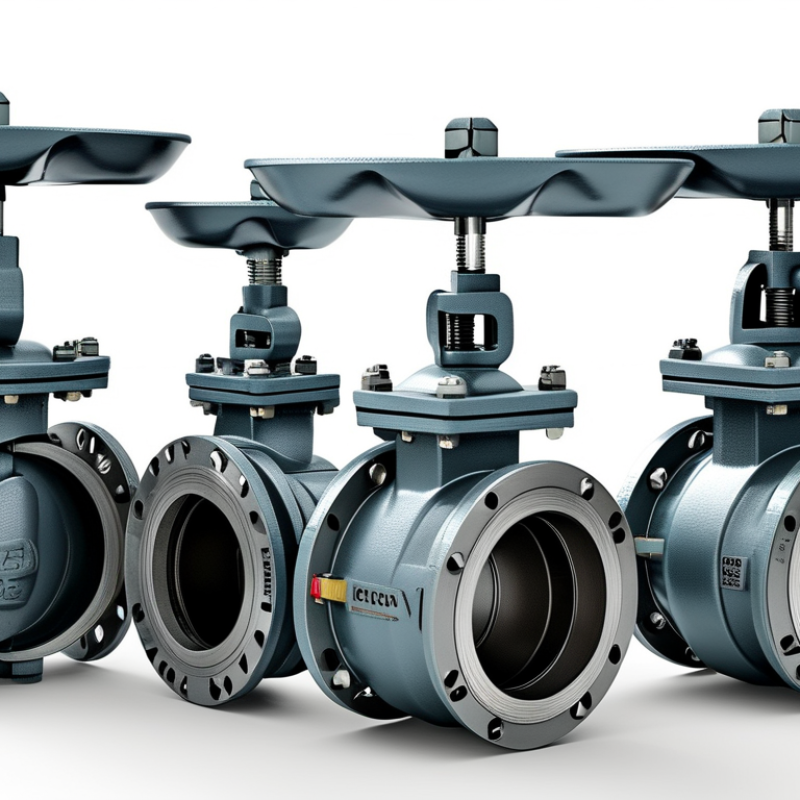
Butterfly valves play a crucial role in various industrial applications. They are widely used for regulating flow in pipelines. The simple yet effective design allows for quick operation and minimal pressure drop. According to a recent market analysis, the global butterfly valve market is projected to grow at a CAGR of 4.2% between 2021 and 2028.
In wastewater treatment facilities, these valves control the flow of gases and liquids. The ease of maintenance and cost-effectiveness make them a popular choice. However, their performance can be affected by factors like temperature and pressure variations. Studies indicate that improper selection can lead to leaks and operational inefficiencies. Many industries still underestimate the importance of choosing the right valve size and type.
In the oil and gas sector, butterfly valves ensure safe and efficient flow control. They are designed to handle corrosive materials and extreme conditions. Despite their advantages, reliance on these valves should be balanced with regular inspections. Data suggests that a significant number of failures stem from neglecting maintenance schedules. Understanding application-specific requirements is vital for optimizing valve performance.
3 Best Butterfly Valve Choices for Global Buyers
| Valve Size (inches) | Material | Pressure Rating (psi) | Temperature Range (°F) | Application |
| 2 | PVC | 150 | 32 to 140 | Water Treatment |
| 4 | Cast Iron | 250 | -10 to 200 | Oil & Gas |
| 6 | Stainless Steel | 300 | -40 to 180 | Food Processing |
Key Features to Consider When Choosing a Butterfly Valve
When selecting a butterfly valve, several key features must be considered to ensure optimal performance. The valve's material is crucial. It should withstand the specific fluid conditions, including temperature and pressure. Common materials include stainless steel and PVC. Understanding the application will help you make the right choice.
Size and pressure rating are also fundamental factors. Correct sizing ensures efficient operation. A valve that is too large may lead to flow turbulence, while one that is too small could restrict flow. Check the pressure rating, as it must align with your system's needs.
Tip: Regular maintenance of butterfly valves is essential for longevity. Inspect seals and actuator functionality periodically. A little effort here can prevent larger issues later.
Another aspect to weigh is the actuator type. Manual, electric, or pneumatic actuators each have unique advantages. Your environment and system requirements will guide this decision. Additionally, ensure that the valve's design allows easy installation and access for repairs.
Tip: Consider redundancy in critical systems. Two valves instead of one can enhance reliability if a failure occurs. It’s a safeguard that shouldn’t be overlooked.
Top 3 Butterfly Valve Options for Global Buyers
When looking for the best butterfly valve options globally, quality and reliability are crucial. The top three choices vary in design, materials, and performance features. Each option serves various applications, from water treatment to industrial processes. Buyers need to evaluate their specific needs before making a decision.
One option provides a lightweight design, making it easy to install. The valve features a high-performance seal, ensuring minimal leakage. However, some users find maintenance challenging, leading to potential performance issues. Assessing the trade-off between weight and longevity can guide buyers.
Another choice emphasizes durability. Made from corrosion-resistant materials, this valve caters to harsh environments. It withstands extreme temperatures and pressures. Still, the higher price point can deter some buyers. There’s a balance between upfront costs and long-term value that needs consideration. Each valve has its strengths and weaknesses, highlighting the importance of informed decision-making in the selection process.
Comparative Analysis of the Selected Butterfly Valves
When selecting butterfly valves, global buyers often face a variety of choices. The market for these valves is projected to grow significantly, with a report indicating a CAGR of 4.8% from 2021 to 2026. This growth underscores the importance of making informed decisions. A comparative analysis of different butterfly valves reveals critical factors to consider, such as materials, pressure ratings, and design features.
For instance, valves made from cast iron or stainless steel tend to perform better under high-pressure conditions. A recent study highlighted that stainless steel valves exhibit a lifespan increase of up to 30% compared to those made from other materials. However, the initial cost is typically higher. Buyers must evaluate the total cost of ownership, which includes maintenance and operational efficiency.
Another aspect often overlooked is the valve’s torque requirements. If not matched correctly, it can lead to premature failures. Buyers frequently underestimate the importance of this metric. A miscalculation can cause operational downtime, costing companies significant resources. It’s essential to conduct a thorough analysis of specifications and real-world performance data before making a final choice.
Tips for Maintenance and Care of Butterfly Valves
Butterfly valves play a crucial role in fluid control. To ensure their longevity, regular maintenance is essential. Checking for leaks is a good starting point. A small leak can indicate wear or damage. Addressing leaks promptly can prevent larger issues later.
Cleaning the valve regularly is also vital. Dirt and debris can affect the valve's performance. Use a soft cloth and a mild detergent. Avoid abrasive materials that can scratch the surface. Inspecting the actuator for proper function is another crucial step. A faulty actuator can lead to operational failures.
Lastly, lubrication is key. Use the right lubricant for the valve’s components. Over-lubrication can attract dust, creating more problems. Periodic inspections help identify wear and tear before it worsens. Keep an eye on the surrounding pipe connections too. They can impact how the valve operates over time.