
Top 10 Benefits of Storage Tank Insulation for Efficiency?

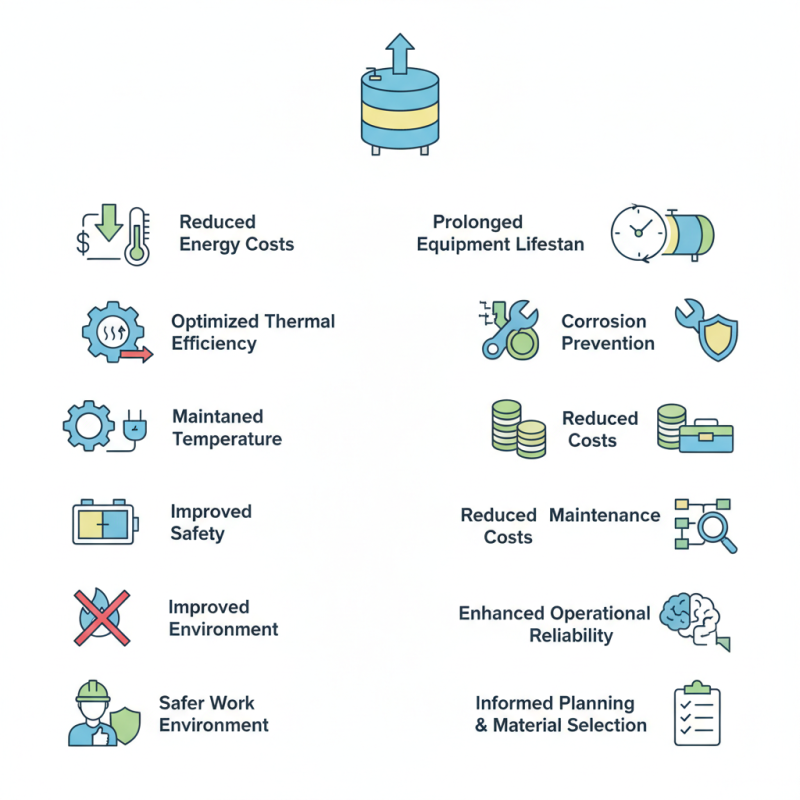
storage tank insulation is often overlooked in energy management strategies. Yet, its advantages are significant. By optimizing thermal efficiency, businesses can reduce energy costs and enhance overall performance. Insulation helps maintain the desired temperature of stored liquids. This leads to less energy wastage during heating or cooling processes.

Moreover, proper storage tank insulation can improve safety. Heat loss can lead to harmful conditions, creating risks for employees. Well-insulated tanks minimize such dangers, providing a safer work environment. Insulation also prolongs the lifespan of storage tanks by preventing corrosion caused by temperature fluctuations. This reliability not only supports operations but also reduces maintenance costs.

However, implementing storage tank insulation requires careful planning. It's essential to assess the specific needs of each tank. The materials used for insulation should be chosen wisely. Not all insulation solutions provide equal benefits. This aspect demands close attention to ensure optimal results. Invest in the right insulation for a lasting impact on efficiency and safety.
Top 10 Benefits of Storage Tank Insulation for Efficiency?

Benefits of Insulating Storage Tanks for Energy Efficiency

Insulating storage tanks significantly enhances energy efficiency. This improved efficiency comes from reduced heat loss. Tanks that are well-insulated retain their temperature better. This means less energy is needed for heating or cooling.

Moreover, temperature stability can lead to better product quality. Variations in temperature can affect contents adversely. By maintaining a consistent temperature, the integrity of the stored materials is preserved. Regular monitoring of insulation effectiveness is crucial.

However, poor insulation choices can lead to inefficiencies. Selecting the right materials matters. Complexity in tank designs can create challenges in achieving optimal insulation. It’s essential to reflect on the insulation process for long-term benefits. Making adjustments based on observations can lead to efficiency gains over time.

Top 10 Benefits of Storage Tank Insulation for Efficiency

Benefit Description Impact
Energy Savings Insulation reduces heat loss or gain, resulting in lower energy consumption. Up to 25% reduction in energy costs.
Temperature Stability Maintains the desired temperature of stored materials. Improves product quality and stability.
Condensation Control Prevents moisture buildup that could lead to corrosion. Extends the lifespan of storage tanks.
Enhanced Safety Reduces the risk of burns or injuries from hot surfaces. Improves workplace safety.
Environmental Protection Minimizes the environmental impact by reducing emissions associated with energy use. Supports sustainability initiatives.
Regulatory Compliance Helps to meet industry regulations for energy efficiency. Avoids penalties and fines.
Reduced Maintenance Costs Lower energy use leads to less wear on equipment. Saves money on repairs and replacement.
Improved System Efficiency Enhances overall performance of heating and cooling systems. Ensures optimal operational efficiency.
Long-Term Investment Insulating tanks is a valuable long-term investment in energy management. Provides long-term savings and returns.
Flexibility for Operations Allows more flexibility when handling varying materials. Improves operational efficiency.

Impact of Tank Insulation on Heat Loss Reduction in Industrial Settings

In industrial settings, heat loss poses a significant challenge. Insulating storage tanks can dramatically reduce this loss. According to data from the U.S. Department of Energy, effective insulation can decrease energy consumption by up to 30%. This not only enhances efficiency but also translates into considerable cost savings over time.

Using appropriate insulation materials, such as mineral wool or polyurethane, can achieve optimal thermal performance. Research indicates that properly insulated tanks can retain heat longer. This effect stabilizes temperatures, which is crucial for processes dependent on consistent thermal conditions. Moreover, a study found that insulated tanks experience a 50% reduction in heat loss over uninsulated options.

However, the installation process often requires careful planning and expertise. Poor installation can lead to moisture issues, compromising insulation effectiveness. Regular inspections are essential to ensure that insulation remains intact and effective. In some cases, neglecting these factors may result in diminished benefits. It's clear that while insulation offers substantial advantages, attention to installation and maintenance is crucial for realizing its full potential.

Top 10 Benefits of Storage Tank Insulation for Efficiency

Cost Savings: Evaluating ROI from Storage Tank Insulation Projects

Effective storage tank insulation can lead to significant cost savings. According to the U.S. Department of Energy, proper insulation can save up to 90% of heat loss in hot water tanks. This translates into lower energy bills for businesses that rely on these systems. Investments in insulation retrofit can yield a return on investment (ROI) within two to three years. Enhanced insulation often means reduced wear on heating systems, extending their lifespan.

An industry report from the American Council for an Energy-Efficient Economy suggests that every dollar spent on insulation can return about $1.49. This is often a conservative estimate. Businesses sometimes overlook maintenance costs and the occasional need for re-insulation. Some facilities have reported challenges with moisture issues in poorly insulated tanks. It highlights the need for careful planning and execution in insulation projects. Investing in high-quality materials might initially seem expensive, but the long-term savings can be considerable.

Environmental Benefits: Reducing Carbon Footprint with Insulation

Insulating storage tanks plays a vital role in reducing overall energy consumption. This leads to a smaller carbon footprint. Effective insulation minimizes heat loss. As a result, less energy is needed to maintain temperatures. This process is crucial for industries aiming for sustainability.

One overlooked aspect is the lifespan extension of storage tanks. Proper insulation protects against corrosion and wear. Keeping the tank's surfaces in better condition makes maintenance easier. However, regular inspections are required. Insulation might not be a one-time investment; continuous care is necessary.

Tips for enhancing insulation effectiveness:

  • Ensure the installation is done by industry professionals.
  • Regularly check for gaps or damage in the insulation.
  • Consider adding insulation around piping as well. This can further decrease energy loss while optimizing system efficiency. Implementing these measures will not only cut energy costs but also noticeably lower environmental impact.

Compliance with Regulatory Standards Through Effective Tank Insulation

Effective tank insulation plays a crucial role in ensuring compliance with regulatory standards. According to a report by the American Petroleum Institute, inadequate insulation can result in significant heat loss, leading to unsafe conditions. This directly impacts operational efficiency and safety protocols. Proper insulation minimizes temperature fluctuation, allowing for controlled environments that adhere to regulatory requirements.

Data suggests that facilities with compliant insulation systems reduce their carbon footprint by nearly 20%. This reduction is vital for meeting both local and international environmental regulations. However, achieving these standards requires ongoing monitoring. Insulation can degrade over time, particularly in older tanks. Regular assessments are necessary to maintain compliance. Some facilities often overlook this, thinking that insulation is a “one-and-done” installation.

Moreover, the financial implications of non-compliance can be severe. Facilities may face hefty fines or increased operational costs. Effective insulation not only protects the environment but also ensures economic viability. Investing in high-quality insulation is essential. Regular training and updates on compliance can foster a culture of safety and efficiency within the organization.

CONTACT US