
Why Choose a Mini Mallet Putter Cover?
A Mini Mallet Putter Cover is made for golfers who want to protect a compact mallet-style putter between shots and during travel. These putters can have distinctive head shapes, so a cover’s fit matters more than its label suggests. A snug cover helps shield the finish from scratches caused by clubs moving together in a bag. It can also keep dust and light moisture away. Small details count. Check the opening, closure, and interior lining, then compare the cover’s shape with your putter head. Magnetic closures are convenient, while hook-and-loop designs can be simple to use. Neither feature guarantees a perfect fit.
Choosing the right cover is a practical decision, not a promise of better putting. A well-fitted cover may make it easier to store and handle your putter, but it cannot improve alignment or replace careful maintenance. That distinction matters. Before buying, consider how often you play, how your bag is arranged, and whether you need quick access on the course. A cover that is too loose may slip off; one that is too tight can be awkward to remove. Product descriptions and measurements help, though they do not always show how a cover feels in everyday use. I would treat appearance as a bonus, not the main test. The best choice protects the club and fits your routine—with no fuss, and no need to overthink it.
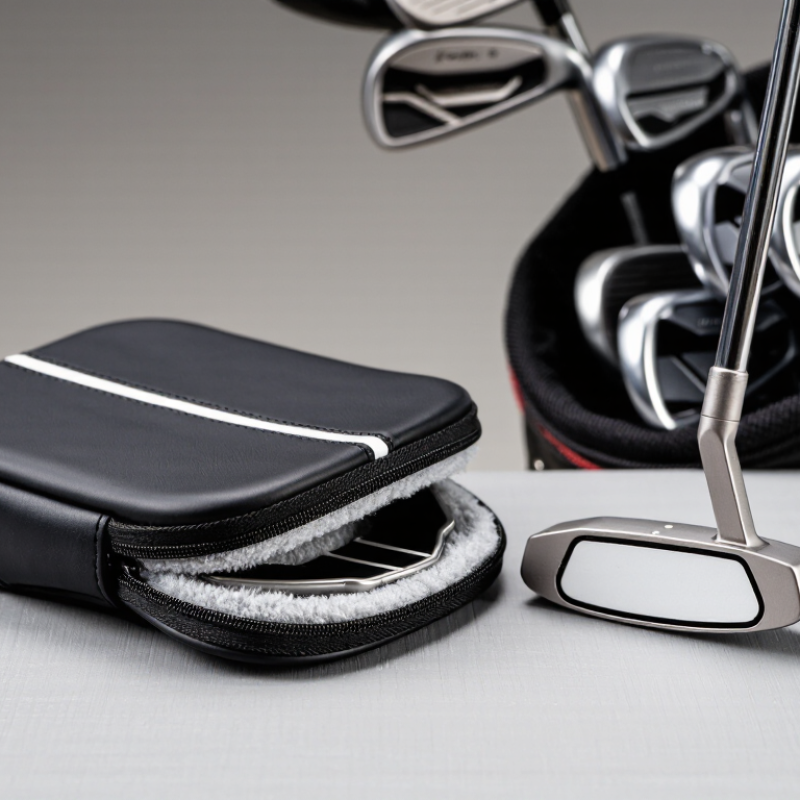
Mini Mallet Putter Covers: Design and Compatibility
Why Choose a Mini Mallet Putter Cover?
Mini Mallet Putter Covers: Design and Compatibility
A mini mallet head sits between compact blade and full-size mallet designs. Its cover should protect the face and sole without squeezing the head. Check the heel-to-toe width, rear-wing shape, and depth before choosing one. Small differences matter. A snug cover can still be awkward if its opening catches the shaft or hosel.
Compatibility depends on more than the “mini mallet” label. Compare your putter’s head shape with the cover’s interior, and note whether the shaft enters near the heel or center. A magnetic flap is quick to use, while a zipper may enclose more of the head. Neither closure guarantees a good fit. Check that alignment lines or raised features are not pressed hard against the lining.
The National Golf Foundation’s 2024 participation report counted 26.6 million on-course golfers in the United States in 2023. That figure describes participation, not putter-cover sales, but it shows how many players regularly carry equipment worth protecting.
A useful check is simple: fit the cover, close it, then remove it without forcing the shaft. If it twists or slips off, reconsider the size. Measurements help, though product descriptions do not always explain every contour. That part takes a little judgment.
How a Cover Protects the Putter Head
Why Choose a Mini Mallet Putter Cover?
How a Cover Protects the Putter Head
A mini mallet putter has a broad, shaped head that can pick up scratches when it bumps against clubs or the edge of a golf bag. A properly fitted cover creates a soft barrier around the finish and helps protect the face and alignment features during transport. It also keeps grit from rubbing against the head. Small marks may seem harmless, but they can distract from a clean setup.
Fit matters. The cover should sit securely without pressing hard on delicate edges. A closure that stays shut helps prevent the cover from slipping off as the bag moves. Still, no cover can prevent every impact, and a damp cover can hold moisture against the putter. Let both dry before storage. It is a simple step, and easy to forget.
Tips: Check the inside for trapped sand or debris, especially after a round. Wipe the putter head before covering it. If the cover feels tight or shifts during a walk, adjust the fit rather than forcing it. A cover is useful, but it is not a substitute for careful handling.
Common Materials and Closure Types
A mini mallet putter cover should protect the clubhead without making it awkward to remove. Material affects both feel and upkeep. Genuine leather can develop a supple finish, but it may need occasional conditioning and careful drying. Synthetic leather is usually easier to wipe clean and often costs less, though its surface can crack with heavy wear. Neoprene is light and flexible, which helps it fit compact head shapes. It may offer less structure against sharp impacts. A fleece or brushed-fabric lining helps prevent scratches. Check the seams, too; a soft exterior cannot compensate for weak stitching.
Closure types change how secure and convenient the cover feels. Magnetic flaps open quickly and close with little effort, but the magnet should align firmly when the cover is fitted. Hook-and-loop closures are adjustable and dependable, although lint can reduce their grip over time. Zippers can hold the cover snugly, but they may catch fabric or feel fiddly in cold weather. One detail is easy to miss: the closure must suit the putter’s shape, not just the cover’s listed size. Test the fit around the heel and toe. It should stay on during a gentle shake, yet come off without tugging hard. A little looseness can be reassuring. Too much is not.
Why Choose a Mini Mallet Putter Cover? - Common Materials and Closure Types
| Feature | Common Options | Practical Benefits | Things to Consider |
|---|---|---|---|
| Purpose and fit | Compact cover shaped for a mini mallet putter head | Helps shield the putter face and head from scratches, light impacts, and contact with other clubs in a golf bag. | Head shapes and dimensions vary. Check the cover’s measurements and opening shape against the putter before buying. |
| Synthetic leather | Polyurethane-coated fabric or similar leather-look material | Provides a smooth, structured exterior that is generally easy to wipe clean and can be made in many colors. | Quality and flexibility vary. Coatings may wear or crack over time, especially with frequent folding or exposure to heat. |
| Neoprene | Flexible, cushioned synthetic rubber material | Stretch and padding can help the cover fit snugly and cushion the putter head. It is often lightweight. | Neoprene may resist splashes, but a cover’s seams and closure can still let water in; it should not be assumed to be waterproof. |
| Nylon or polyester fabric | Woven synthetic textile, sometimes with a lining or light padding | Usually lightweight and available in a range of weaves. Some fabrics dry relatively quickly and are easy to maintain. | Protection depends on the fabric thickness, lining, and padding. Woven material may not block moisture unless treated or backed. |
| Magnetic closure | Embedded magnets that hold the opening closed | Allows quick access and avoids a separate fastener that needs to be aligned precisely. | Holding strength depends on magnet placement and cover construction. Keep the closure clear of loose metal debris. |
| Hook-and-loop closure | Two fastening strips that press together | Simple to open and close, with an adjustable fit across a range of head shapes. | Lint and grass can collect in the fastening surface, which may reduce grip over time. Opening can also make a noticeable sound. |
| Zipper closure | Zipper running along part or all of the cover opening | Can secure the cover around the head and help prevent it from slipping off during transport. | Check that the zipper does not press against or scratch the putter. Sand and grit may affect smooth operation. |
| Elastic or slip-on opening | Stretch opening that grips the putter head without a separate fastener | Offers a simple design with few parts and allows quick removal when the fit is appropriate. | A loose fit may let the cover fall off, while a tight fit can make it difficult to remove. Elastic can lose tension with use. |
| Choosing a cover | Match the shape, material, padding, and closure to your putter and routine | A well-fitting cover can help protect the putter during storage and movement around the course. | Prioritize secure fit and adequate interior protection; consider ease of use, cleaning, and moisture exposure too. |
Benefits for Storage, Transport, and Club Organization
A mini mallet putter cover gives the clubhead its own layer of protection inside a golf bag. Clubs can shift during a walk or car ride, letting uncovered heads knock against irons and woods. A properly fitted cover helps reduce scuffs and keeps loose grit away from the putter face. It is not armor. Check the shape and neck position before choosing one, since mini mallet designs can differ.
A cover also gives the putter a consistent place in your storage routine. Choose a side pocket or another easy-to-reach spot, and return the cover there after each use. That simple habit can keep it from getting lost beneath gloves, tees, or a towel. Before storing the club for a long period, let a damp cover dry. Small detail, easily missed.
During transport, a covered putter is easier to spot when you lift clubs in and out of a crowded bag. A distinct color or shape can help with club organization, though it does not replace checking your equipment before leaving. The routine is not foolproof; covers can end up in the wrong pocket. Look for a snug fit that comes off without a hard tug, and check the seams and closure occasionally.
Why Choose a Mini Mallet Putter Cover?
A cover helps shield the putter head in storage and transit, while making it easier to distinguish the putter in a golf bag.
Functional comparison: 1 = the feature is provided or supported; 0 = it is not. This describes the cover’s intended use, not measured protection performance.
Factors to Consider When Choosing a Cover
A mini mallet has a compact outline, but its wings, neck, and shaft connection can make sizing less simple than it looks. Measure the head at its widest and longest points, then compare those measurements with the cover’s usable interior—not just its label. Fit comes first. The National Golf Foundation’s 2024 Golf Industry Report counted 26.6 million U.S. on-course golfers in 2023, a reminder that golf accessories often get carried, packed, and handled repeatedly. A snug cover helps limit scratches from clubs rubbing together in a crowded bag.
Check how the closure works with your routine. A magnetic flap is quick to open, while a zipper may provide a closer seal but can catch on fabric or grit. Feel the lining, too: soft fleece can cushion a painted head, but a loose fit may let the putter move around.
For wet rounds, look for water-resistant outer fabric and stitched seams; “water-resistant” does not mean waterproof. A size chart can still mislead, since head shapes and measuring methods vary. Slightly annoying, but worth checking. Finally, test the cover with the putter in your bag: it should stay on during a walk and come off without tugging the shaft.