China Best Galvanized Coil Benefits and Applications Explained?
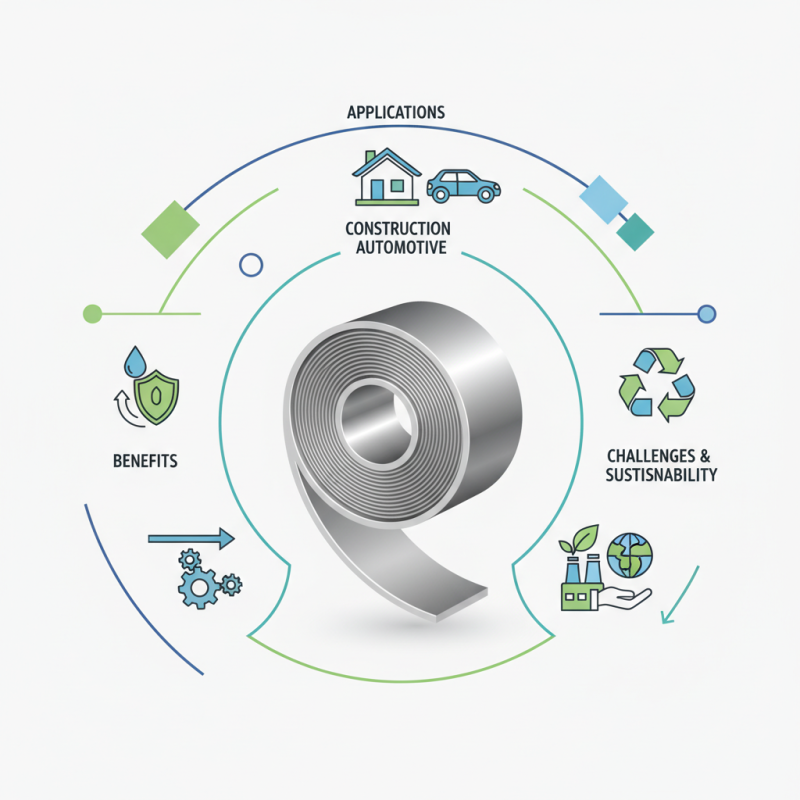
Galvanized Coil has emerged as a crucial material in various industries. Its corrosion-resistant properties stem from the protective zinc coating. This feature extends the product's lifespan and durability in harsh environments. Applications range from construction to automotive manufacturing.
In construction, Galvanized Coil is often used in roofing, siding, and fencing. It can withstand moisture and adverse weather conditions. In the automotive industry, it aids in producing parts that resist rust. However, the production process can have environmental impacts that need addressing.
While the benefits are clear, challenges remain in sourcing and recycling Galvanized Coil. The industry faces pressures to embrace sustainable practices. Consumers are urged to consider the full lifecycle of this product. Choices made today should align with our future goals.
Benefits of Galvanized Coil in Corrosion Resistance Applications
Galvanized coils are vital in many industries, especially for their corrosion resistance. They are made by coating steel with zinc. This simple process significantly improves durability. In environments prone to moisture, galvanized coils thrive. They are ideal for outdoor structures like fences and roofing.
The primary benefit of galvanized coils lies in their resistance to rust. Zinc acts as a barrier against moisture and air. Even if the coating is scratched, the exposed steel is still protected by the surrounding zinc. This property ensures longevity, reducing the need for frequent replacements. In high-humidity areas, such coils can mean the difference between stability and early deterioration.
However, not all applications benefit equally from galvanized coils. Certain extreme conditions may lead to unexpected failures. In some cases, the zinc layer can wear off quickly, especially if the coil is subjected to constant abrasion. Understanding where and how to use galvanized coils requires careful consideration and planning. Identifying the right environment is crucial for maximizing their effectiveness.
Cost-Effectiveness of Galvanized Coils Compared to Other Coating Methods
Galvanized coils are widely used in various industries due to their cost-effectiveness. Compared to other coating methods, such as painting or powder coating, galvanized coils require less maintenance. They can last longer in harsh environments, reducing replacement costs over time. This durability is essential in construction and automotive sectors where reliability is crucial.
However, there are limitations. Galvanized coils may not provide the same aesthetic appeal as painted surfaces. The galvanized finish can appear less refined, which might not be suitable for every application. Additionally, the process of galvanization can be energy-intensive, raising concerns about environmental impact.
Despite these drawbacks, the overall benefits often outweigh the negatives. For many manufacturers, the lower initial investment and reduced long-term costs make galvanized coils an attractive option. As industries seek efficient solutions, understanding the full scope of galvanized coils' advantages and disadvantages is essential.
Common Industries Utilizing Galvanized Coils: A Statistical Overview
Galvanized coils have become essential in various industries. Statistics show that the construction sector is the largest user, accounting for nearly 40% of total demand. This is largely due to the coils' resistance to corrosion and durability. In the automotive industry, approximately 30% of galvanized steel is used for car bodies and parts. These estimates highlight the significance of galvanized coils in modern manufacturing.
The appliance sector also relies heavily on galvanized steel. Around 15% of galvanized coils are utilized in manufacturing household appliances. This reflects the growing demand for rust-resistant features in products like refrigerators and washing machines. However, challenges remain. Some manufacturers struggle with sourcing high-quality galvanized materials that meet evolving regulatory standards.
Additionally, the packaging industry has started adopting galvanized coils. They make up about 10% of the market in creating packaging solutions for various goods. While convenience plays a role, there are concerns about environmental impact and recyclability. Companies face pressure to innovate, balancing durability with sustainability efforts. This ongoing evolution signals that while there are many benefits to galvanized coils, the industry must also tackle significant challenges to meet future needs.
Common Industries Utilizing Galvanized Coils: A Statistical Overview
Environmental Impact of Using Galvanized Steel: Recycling and Sustainability
The use of galvanized steel has surged due to its durability and corrosion resistance. However, its environmental impact deserves attention. In the zinc-galvanizing process, significant energy is consumed. Research indicates that producing one ton of galvanized steel can generate nearly 1.5 tons of carbon dioxide emissions. This presents a challenge to sustainability.
Despite these concerns, galvanized steel is recyclable. Over 80% of it can be reclaimed at the end of its life cycle. This high recyclability reduces the need for virgin materials. According to a 2021 report, recycling galvanized steel can save up to 75% of energy compared to producing new steel. However, not all facilities process it effectively. Many still lack proper recycling technology.
Moreover, the life expectancy of galvanized steel is noteworthy. It can last up to 50 years in favorable conditions, contributing to lower replacement rates. Yet, improper disposal methods can lead to environmental degradation. It’s essential to improve awareness and facilities for recycling. Balancing usage and sustainability remains a crucial endeavor in the industry.
Quality Standards and Certifications for Galvanized Coils in China
When discussing galvanized coils in China, quality standards and certifications play a crucial role. It is essential to ensure that the products meet specific criteria. These standards are set by national and international organizations. They focus on factors like corrosion resistance, thickness, and surface quality. Proper certifications guarantee that buyers receive reliable products.
In China, galvanized coils must adhere to GB/T 2518, a standard that emphasizes quality and performance. This ensures that the coating is even and durable. Achieving these standards is not always straightforward. Some manufacturers may struggle with quality control, leading to subpar products. Buyers should ask for certifications to avoid potential issues.
Another important aspect is the assessment of raw materials used in manufacturing. High-quality zinc and steel contribute to better performance. However, not all manufacturers prioritize this. Transparency in production processes is critical. It helps build trust between suppliers and customers. Companies failing to meet these standards risk losing market credibility.